MinuteRead
30 min
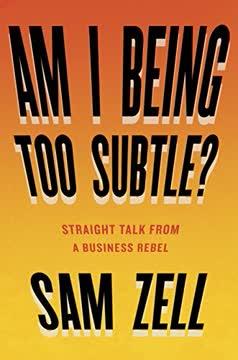
Sam Zell spent his life doing what most people are afraid to do. He bought buildings when everyone else was selling. He invested in industries that others dismissed as outdated or unglamorous. He said things in boardrooms that made people uncomfortable, not because he enjoyed conflict, but because he believed that honesty, even when blunt, was more valuable than politeness that obscured the truth.
**Author:** Sam Zell
**Estimated Reading Time:** 45 minutes
**What You'll Learn:**
- How to develop a contrarian mindset that spots opportunities others miss - Why risk management, not risk avoidance, separates great investors from average ones - The principles behind building organizations where meritocracy and transparency drive performance - How to think about market cycles and use them to your advantage - The decision-making frameworks that allow for speed without recklessness
**Who This Book Is For:**
This book is for anyone who wants to think more independently. It is for investors who want to understand how contrarian strategies actually work. It is for entrepreneurs who need to make decisions under uncertainty. It is for leaders who want to build cultures where people tell the truth and performance matters more than politics. And it is for anyone who has ever suspected that the crowd might be wrong but lacked the confidence to act on that suspicion.
Sam Zell spent his life doing what most people are afraid to do. He bought buildings when everyone else was selling. He invested in industries that others dismissed as outdated or unglamorous. He said things in boardrooms that made people uncomfortable, not because he enjoyed conflict, but because he believed that honesty, even when blunt, was more valuable than politeness that obscured the truth. The title of his book, *Am I Being Too Subtle?*, is a question he asked himself throughout his career. It captures something essential about his approach to business and life. Zell never wanted to be the person who hinted at a problem when he could state it directly. He never wanted to be the investor who waited for consensus when the opportunity was sitting right there, ignored by everyone else. The question was a kind of internal check: Have I made myself clear enough? Have I been direct enough? Have I actually communicated what I believe, or have I softened it into meaninglessness? Zell was born in Chicago in 1941, the son of Jewish immigrants who had fled Poland before the war. His parents arrived in America with almost nothing, and they built a life through hard work, shrewdness, and an understanding that security was never guaranteed. His father worked in the jewelry business and later dabbled in real estate. From an early age, Zell watched his parents navigate the world with a clear-eyed understanding of risk. They had seen what happened when people assumed the world would remain stable. They knew better. He started his business career while still a student at the University of Michigan, managing apartment buildings in Ann Arbor. He charged $15 a month per unit and learned the fundamentals of real estate from the ground up.…
Continue reading in the MinuteRead app
Get the complete 30-minute summary of Am I Being Too Subtle?
Get the complete summary in the appThink independently. Question conventional wisdom and trust your own analysis.
Manage risk by asking: What is the downside, and can I survive it?
Build a culture of meritocracy, transparency, and aligned interests.
Look for opportunities in distressed assets that others are avoiding.
Understand market cycles and position yourself to benefit from them.
Focus on the one or two critical factors that determine success.
"Am I Being Too Subtle?" is a strong fit if you want practical ideas around business, biography, entrepreneurship, especially themes like think independently. question conventional wisdom and trust your own analysis; manage risk by asking: what is the downside, and can i survive it?. The MinuteRead summary distills these concepts into a focused read, whether you're deciding whether to buy the book or applying its lessons at work.
Samuel Zell was an American billionaire businessman known for his real estate investments and entrepreneurial ventures. Born to Jewish immigrants who fled Poland before World War II, Zell grew up in Chicago and attended the University of Michigan. He began his career in property management while still in college, eventually building a vast portfolio of real estate holdings. Zell founded Equity Group Investments and played a significant role in creating Real Estate Investment Trusts (REITs). Know…
View all summaries by Sam ZellContinue Reading
Access the complete 30-minute summary and thousands more nonfiction books in the MinuteRead app.

Continue reading the complete summary in the MinuteRead app.