 MinuteRead
30 min
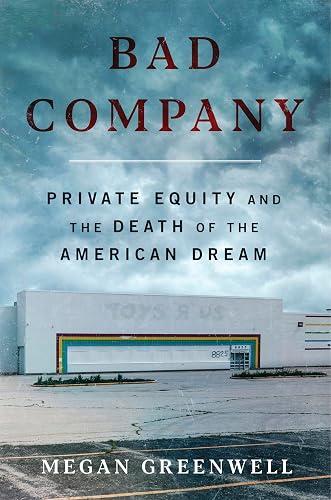
Book summary
by Megan Greenwell
Premium summary · Opens in the app · 30 min read
There is a moment that comes for many Americans when they realize the company they work for, the hospital where they receive care, the newspaper they read, or the apartment building where they live is not actually owned by anyone they can identify. The familiar names on the signs remain, but behind them sits an entity with no public face, no obvious headquarters, and no apparent interest in the product or service being delivered. That entity is usually a private equity firm.
**Author:** Megan Greenwell
**Estimated Reading Time:** 45 minutes
**What You'll Learn:**
- How private equity actually works, from leveraged buyouts to fee structures - Why private equity firms profit even when the companies they buy collapse - How this industry has reshaped healthcare, journalism, housing, and retail - What ordinary people are doing to fight back - How to recognize private equity's influence in your own community
**Who This Book Is For:**
Anyone who has ever wondered why their local hospital closed its maternity ward, why their hometown newspaper became a ghost of itself, why their rent keeps climbing while repairs go unmade, or why a beloved retail chain suddenly vanished. This book is for workers, consumers, patients, tenants, and citizens who sense that something fundamental has shifted in the American economy but cannot quite name the force behind it.
There is a moment that comes for many Americans when they realize the company they work for, the hospital where they receive care, the newspaper they read, or the apartment building where they live is not actually owned by anyone they can identify. The familiar names on the signs remain, but behind them sits an entity with no public face, no obvious headquarters, and no apparent interest in the product or service being delivered. That entity is usually a private equity firm. Megan Greenwell's Bad Company pulls back the curtain on an industry that has quietly inserted itself into nearly every corner of American life. Private equity firms now control thousands of companies employing millions of workers. They own hospital chains, newspaper groups, apartment complexes, retail brands, daycare centers, and even portions of the energy grid. Yet most people cannot name a single private equity firm, explain how one operates, or describe what happens when one acquires a business they rely on. This ignorance is not accidental. The industry has spent decades cultivating obscurity. Its name itself suggests something technical and boring, the kind of thing that might matter to Wall Street analysts but not to ordinary people. The reality is far more consequential. Private equity firms make decisions that determine whether a factory stays open or closes, whether a hospital keeps its emergency room or converts it to a more profitable specialty clinic, whether a newspaper employs enough reporters to cover city hall or becomes a hollow shell of reprinted press releases. The core problem Greenwell identifies is simple but profound. Private equity exists to generate returns for its investors, not to build sustainable businesses. The firms that populate this industry raise money from pension funds, university endowments, and wealthy individuals, then use that money to buy companies. They typically hold those companies for five to seven years, extract…
Continue reading in the MinuteRead app
Get the complete 30-minute summary of Bad Company
Get the complete summary in the appPrivate equity firms exist to generate returns for investors, not to build sustainable businesses.
Leveraged buyouts load acquired companies with debt that the companies, not the firms, must repay.
Private equity firms profit from fees regardless of whether the companies they own succeed.
Cost-cutting is the preferred strategy because it produces immediate results.
Private equity ownership of hospitals leads to reduced staffing, eliminated services, and increased preventable complica
Private equity ownership of newspapers has accelerated the decline of local journalism and weakened democracy.
"Bad Company" is a strong fit if you want practical ideas around business, economics, finance, especially themes like private equity firms exist to generate returns for investors, not to build sustainable businesses; leveraged buyouts load acquired companies with debt that the companies, not the firms, must repay. The MinuteRead summary distills these concepts into a focused read, whether you're deciding whether to buy the book or applying its lessons at work.
Motivated to help readers with great Hill Partners, Megan Greenwell wrote “Bad Company” to package those ideas for a fast, focused read. In “Bad Company”, Megan Greenwell focuses on great Hill Partners. Through “Bad Company”, Megan Greenwell distills the core ideas on business into lessons readers can absorb in a single short sitting. Readers turn to this work when they want Megan Greenwell's perspective on the subject without working through the entire original volume. Megan Greenwell is an Ame…
Continue Reading
Access the complete 30-minute summary and thousands more nonfiction books in the MinuteRead app.

Continue reading the complete summary in the MinuteRead app.






