 MinuteRead
30 min
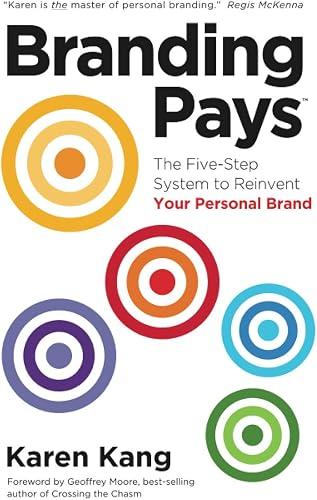
Book summary
by Karen Kang
Premium summary · Opens in the app · 30 min read
There is a quiet assumption many professionals carry through their careers. It goes something like this: if I work hard, deliver results, and keep my head down, the right people will notice. Opportunities will follow. My work will speak for itself.
### By Karen Kang
**Estimated Reading Time:** 45 minutes
**What You'll Learn:**
- Why personal branding is no longer optional in a globally competitive world - How to define your unique positioning so the right opportunities find you - How to craft messages that make people remember you for the right reasons - How to build a brand strategy that combines competence with connection - How to leverage your ecosystem so others advocate for you - How to create an action plan that turns branding from concept into career results
**Who This Book Is For:**
Professionals who want to advance their careers, entrepreneurs seeking to stand out, recent graduates entering a crowded job market, executives preparing for their next role, and anyone who wants to be known, recognized, and valued for their unique strengths.
There is a quiet assumption many professionals carry through their careers. It goes something like this: if I work hard, deliver results, and keep my head down, the right people will notice. Opportunities will follow. My work will speak for itself. This assumption is not only outdated. It is dangerous. The world of work has changed dramatically. Global competition means that the person competing for your next job, your next client, or your next promotion may live on the other side of the planet. Technology has flattened the playing field. Social media has made everyone visible, searchable, and comparable. In this environment, being good at what you do is necessary but nowhere near sufficient. The uncomfortable truth is that perception matters as much as reality. If the right people do not know who you are, what you stand for, and why you are uniquely valuable, you will be overlooked. Not because you lack talent. But because you failed to communicate it. This is where personal branding enters the picture. The phrase itself makes many people uncomfortable. It can sound self-promotional, inauthentic, or even manipulative. Some dismiss it as something for celebrities, politicians, or social media influencers. Others believe it is only relevant for marketers and entrepreneurs. Karen Kang argues otherwise. In her work with thousands of professionals, from recent graduates to seasoned executives, she has observed a consistent pattern. Those who take control of how they are perceived consistently outperform those who leave their reputation to chance. They receive more opportunities. They command greater respect. They advance faster. And perhaps most importantly, they experience greater fulfillment because their work aligns with who they truly are. The problem, Kang explains, is not that people reject the idea of personal branding. The problem is that most people approach it without a system. They update their LinkedIn profile. They attend a networking event. They post occasionally on social media.…
Continue reading in the MinuteRead app
Get the complete 30-minute summary of BrandingPays
Get the complete summary in the appPersonal branding is not optional. In a globally competitive world, you must take control of how you are perceived.
Positioning is the foundation. Define your target audience, their needs, your category, your value proposition, and your
People remember only one or two things about you. Choose what those things are and communicate them consistently.
A strong brand requires both cake (rational value) and icing (emotional value). Competence alone is not enough.
Your ecosystem is your marketing team. Identify key influencers and build relationships based on mutual value.
The 90/10 rule: a small number of influencers sway the opinions of the many. Focus on the right people.
"BrandingPays" is a strong fit if you want practical ideas around business, self help, personal development, especially themes like personal branding is not optional. in a globally competitive world, you must take control of how you are perceived; positioning is the foundation. define your target audience, their needs, your category, your value proposition, and your. The MinuteRead summary distills these concepts into a focused read, whether you're deciding whether to buy the book or applying its lessons at work.
Motivated to help readers with "Without a brand goal, Karen Kang wrote “BrandingPays” to package those ideas for a fast, focused read. In “BrandingPays”, Karen Kang focuses on "Without a brand goal. Through “BrandingPays”, Karen Kang distills the core ideas on business into lessons readers can absorb in a single short sitting. Readers turn to this work when they want Karen Kang's perspective on the subject without working through the entire original volume. Karen Kang wrote “BrandingPays” to mak…
Continue Reading
Access the complete 30-minute summary and thousands more nonfiction books in the MinuteRead app.

Continue reading the complete summary in the MinuteRead app.






