MinuteRead
30 min
Book summary
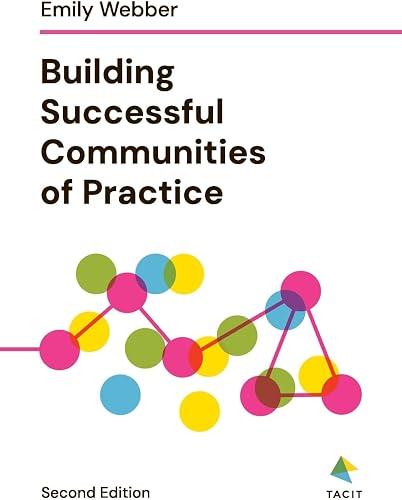
by Emily Webber
Premium summary · Opens in the app · 30 min read
Most organizations are sitting on an enormous untapped resource. It is not their technology stack, their intellectual property, or their brand. It is the collective knowledge, experience, and problem-solving capacity of the people who work there. The challenge is that this resource is scattered across teams, departments, and locations. It lives in the heads of individuals who rarely have structured opportunities to share what they know with people who need it.
**Author:** Emily Webber
**Estimated Reading Time:** 45 minutes
**What You'll Learn:**
- Why communities of practice have become essential for modern organizations - How to create the conditions where communities thrive - The practical steps for launching, growing, and sustaining communities - How to measure value and maintain momentum over time - How to avoid the common mistakes that cause communities to fail
**Who This Book Is For:**
This book is for anyone who wants to build or strengthen communities within their organization. Whether you are a team leader looking to connect people across departments, a practitioner who wants to learn faster with peers, or an executive who recognizes that knowledge sharing is a competitive advantage, you will find practical guidance here. No prior experience with communities of practice is required.
Most organizations are sitting on an enormous untapped resource. It is not their technology stack, their intellectual property, or their brand. It is the collective knowledge, experience, and problem-solving capacity of the people who work there. The challenge is that this resource is scattered across teams, departments, and locations. It lives in the heads of individuals who rarely have structured opportunities to share what they know with people who need it. The result is predictable. Teams solve problems that other teams have already solved. New employees take months to learn what their colleagues could teach them in weeks. Knowledge walks out the door when people leave. Innovation stalls because good ideas never travel beyond their point of origin. And people feel isolated, disconnected from peers who share their challenges and could help them grow. Traditional solutions have not worked well. Training programs are expensive and often disconnected from real work. Knowledge management systems become digital graveyards where documents go to die. Internal communication tools create noise without creating understanding. What is missing is not more information. What is missing is connection. This is where communities of practice come in. A community of practice is a group of people who share a common concern, a set of problems, or a passion about a topic, and who deepen their knowledge and expertise by interacting on an ongoing basis. The concept is not new. Étienne Wenger and Jean Lave introduced it in the early 1990s while studying how learning actually happens in social contexts. What is new is the recognition that these communities can be deliberately cultivated within organizations to produce remarkable results. Emily Webber wrote this book because she saw a gap between the theory of communities of practice and the practical reality of building one. The academic literature was rich but abstract. The organizational case studies were inspiring but lacked actionable detail. People who wanted to start communities in their…
Continue reading in the MinuteRead app
Get the complete 30-minute summary of Building Successful Communities of Practice
Get the complete summary in the appCommunities of practice accelerate learning by connecting people who share common challenges and enabling them to learn
The three defining elements of a community of practice are domain, community, and practice.
Communities need regular interaction, a safe space, and organizational support to thrive.
Community leadership relies on influence, not authority, and should become more distributed over time.
Use the four questions to evaluate potential members: shared role, shared challenges, can learn, can teach.
Develop a shared vision and values collaboratively to create direction and trust.
"Building Successful Communities of Practice" is a strong fit if you want practical ideas around business, management, leadership, especially themes like communities of practice accelerate learning by connecting people who share common challenges and enabling them to learn; the three defining elements of a community of practice are domain, community, and practice. The MinuteRead summary distills these concepts into a focused read, whether you're deciding whether to buy the book or applying its lessons at work.
Motivated to help readers with "Communities of practice can: support organisational learning; accelerate professional development of their, Emily Webber wrote “Building Successful Communities of Practice” to package those ideas for a fast, focused read. In “Building Successful Communities of Practice”, Emily Webber focuses on "Communities of practice can: support organisational learning; accelerate professional development of their. Through “Building Successful Communities of Practice”, Emily We…
Continue Reading
Access the complete 30-minute summary and thousands more nonfiction books in the MinuteRead app.

Continue reading the complete summary in the MinuteRead app.