 MinuteRead
30 min
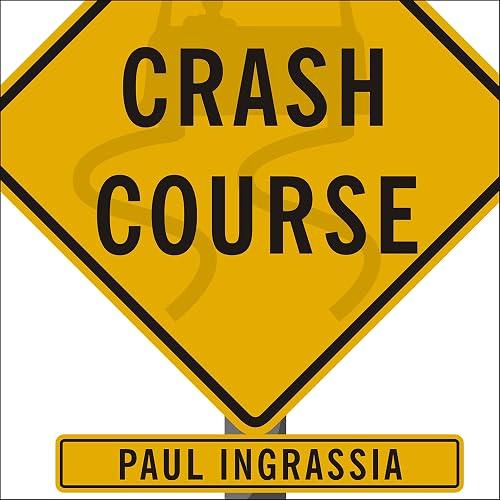
Book summary
by Paul Ingrassia
Premium summary · Opens in the app · 30 min read
The American automobile industry did not simply decline. It fell from the highest peak any industry had ever reached, and it fell slowly, over decades, while the people in charge insisted everything was fine.
### By Paul Ingrassia
**Estimated Reading Time:** 42 minutes
**What You'll Learn**
The complete story of how America's greatest industry rose to world dominance and then collapsed under the weight of its own success. You will understand the innovations that built Detroit, the cultural rot that destroyed it, the Japanese challenge that exposed its weaknesses, and the government rescue that saved it from extinction. More importantly, you will learn why institutions fail and what it takes to avoid the same fate.
**Who This Book Is For**
This book is for anyone who wants to understand how great organizations decline. It is for business leaders who sense complacency creeping into their companies. It is for students of American economic history who want to see the twentieth century through the lens of its most important industry. And it is for readers who simply want to understand how an industry that once employed millions and defined American prosperity could end up begging for a government bailout.
The American automobile industry did not simply decline. It fell from the highest peak any industry had ever reached, and it fell slowly, over decades, while the people in charge insisted everything was fine. At its height, General Motors was the largest corporation in the world. It employed more than 600,000 people. It controlled half the American car market. Its factories produced vehicles at a rate unmatched anywhere on earth. The company was so dominant that its leaders worried about antitrust action, not competition. Ford had revolutionized manufacturing itself, creating the assembly line and the five-dollar day. Chrysler had pioneered automotive engineering and design. Together, the Big Three built the American middle class, transformed the landscape with highways and suburbs, and created a way of life that became the envy of the world. Then, over the course of a few decades, it all unraveled. The story of how this happened is not a simple tale of foreign competition or changing markets. It is a story about human nature. About what happens when success breeds arrogance. About how institutions designed to solve problems become institutions designed to protect themselves. About how people at every level, from factory floors to executive suites, choose comfort over change until change is forced upon them. Paul Ingrassia spent his career covering this industry. He won a Pulitzer Prize for his reporting on General Motors' management turmoil in 1993. He watched from press rooms and boardrooms as Detroit's leaders made the decisions that would determine the industry's fate. In Crash Course, he tells the full story with the depth and clarity that only a journalist who lived through it could provide. The book is not a eulogy. It is an autopsy. It examines…
Continue reading in the MinuteRead app
Get the complete 30-minute summary of Crash Course
Get the complete summary in the appSuccess is not permanent. The advantages that create success can become liabilities when conditions change.
The same forces that create greatness often contain the seeds of destruction. Detroit's strength made it blind.
Continuous improvement compounds. The Japanese won through decades of patient effort, not a single breakthrough.
Temporary advantages are dangerous. The SUV boom masked structural problems for a decade.
Legacy costs accumulate. Promises made in the past become burdens in the present.
Adversarial relationships prevent cooperation. The labor conflict in Detroit made adaptation impossible.
"Crash Course" is a strong fit if you want practical ideas around business, history, economics, especially themes like success is not permanent. the advantages that create success can become liabilities when conditions change; the same forces that create greatness often contain the seeds of destruction. detroit's strength made it blind. The MinuteRead summary distills these concepts into a focused read, whether you're deciding whether to buy the book or applying its lessons at work.
Motivated to help readers with "Mass production + mass marketing = mass consumption = modern America" Pioneering Industrial Revolution, Paul Ingrassia wrote “Crash Course” to package those ideas for a fast, focused read. In “Crash Course”, Paul Ingrassia focuses on "Mass production + mass marketing = mass consumption = modern America" Pioneering Industrial Revolution. Through “Crash Course”, Paul Ingrassia distills the core ideas on business into lessons readers can absorb in a single short sitt…
Continue Reading
Access the complete 30-minute summary and thousands more nonfiction books in the MinuteRead app.

Continue reading the complete summary in the MinuteRead app.






