MinuteRead
30 min
Book summary
by Lee Brotherston
Premium summary · Opens in the app · 30 min read
Every organization, regardless of size or industry, faces the same fundamental challenge: how to protect its information and systems from an ever-growing array of threats. The stakes have never been higher. Data breaches make headlines daily. Ransomware attacks cripple hospitals, schools, and businesses. Regulatory fines can reach into the millions. Yet despite this reality, many organizations still struggle to build a coherent, effective security program.
**Author:** Lee Brotherston
**Estimated Reading Time:** 45 minutes
**What You'll Learn:**
- How to build a complete information security program from the ground up - The essential components of asset management, policy creation, and network defense - How to prepare your organization for incidents before they happen - Practical strategies for hardening systems, managing access, and detecting threats - A structured approach to turning security from a reactive burden into a proactive discipline
**Who This Book Is For:**
This book is for anyone responsible for protecting an organization's digital assets. Whether you are a newly appointed security lead facing a blank slate, an IT professional who inherited security responsibilities, or a seasoned practitioner looking to validate and strengthen your existing program, this condensed edition provides a clear, actionable path forward. It is written for those who need practical guidance, not theoretical musings.
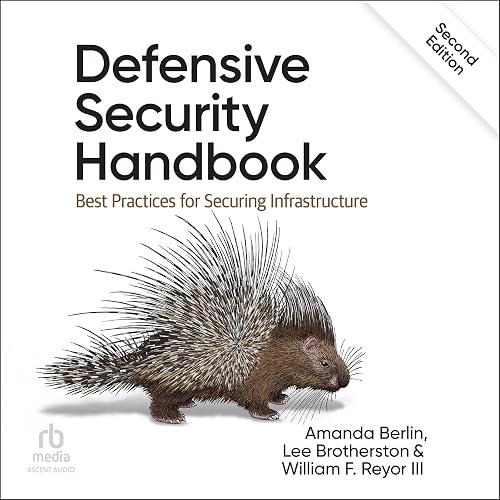
Every organization, regardless of size or industry, faces the same fundamental challenge: how to protect its information and systems from an ever-growing array of threats. The stakes have never been higher. Data breaches make headlines daily. Ransomware attacks cripple hospitals, schools, and businesses. Regulatory fines can reach into the millions. Yet despite this reality, many organizations still struggle to build a coherent, effective security program. The problem is not a lack of tools. The security industry offers thousands of products, each promising to solve a specific problem. The problem is not a lack of information either. There are countless blogs, conference talks, and vendor whitepapers offering advice. The real problem is a lack of structure. Most organizations do not fail at security because they lack a particular tool. They fail because they lack a coherent framework for making decisions, setting priorities, and building capabilities over time. Lee Brotherston wrote the Defensive Security Handbook to address this exact gap. Drawing on years of hands-on experience building and running security programs, he recognized that most guidance available to practitioners focused on narrow technical topics or high-level theory. What was missing was a practical, comprehensive guide to the fundamentals: the foundational work that every organization needs to do before advanced techniques become meaningful. The book's central insight is refreshingly straightforward. You do not need to reinvent the wheel. The core components of a successful security program are well understood. Asset management, policy development, user education, network segmentation, incident response, access control, vulnerability management, and monitoring. These are not novel concepts. What matters is implementing them systematically, with clear objectives and realistic milestones. This condensed edition preserves that practical spirit. It walks through each major component of a defensive security program, explaining not just what to do but why it matters and how to approach it. The goal is not to make…
Continue reading in the MinuteRead app
Get the complete 30-minute summary of Defensive Security Handbook
Get the complete summary in the app**Asset management comes first.** You cannot protect what you do not know exists. Create and maintain a comprehensive in
**Patch promptly.** Unpatched vulnerabilities are a leading cause of breaches. Implement a systematic patching strategy
**Enable multi-factor authentication.** Passwords alone are not enough. MFA dramatically reduces account takeover risk.
**Segment your network.** Flat networks enable lateral movement. Segmentation contains attackers and limits damage.
**Create an incident response plan.** Incidents are inevitable. Preparation determines the outcome. Document roles, proc
**Educate your users.** Users are both a vulnerability and an asset. Ongoing security awareness training reduces risk an
"Defensive Security Handbook" is a strong fit if you want practical ideas around technical, technology, computer science, especially themes like **asset management comes first.** you cannot protect what you do not know exists. create and maintain a comprehensive in; **patch promptly.** unpatched vulnerabilities are a leading cause of breaches. implement a systematic patching strategy. The MinuteRead summary distills these concepts into a focused read, whether you're deciding whether to buy the book or applying its lessons at work.
Motivated to help readers with "It is not necessary to reinvent the wheel in order to lay out the initial groundwork for an information, Lee Brotherston wrote “Defensive Security Handbook” to package those ideas for a fast, focused read. In “Defensive Security Handbook”, Lee Brotherston focuses on "It is not necessary to reinvent the wheel in order to lay out the initial groundwork for an information. Through “Defensive Security Handbook”, Lee Brotherston distills the core ideas on technical int…
Continue Reading
Access the complete 30-minute summary and thousands more nonfiction books in the MinuteRead app.

Continue reading the complete summary in the MinuteRead app.