 MinuteRead
30 min
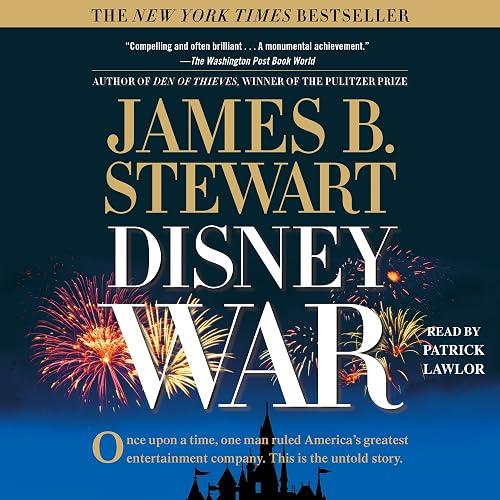
Book summary
by James B. Stewart
Premium summary · Opens in the app · 30 min read
In the early 1980s, the Walt Disney Company was dying. The animation studio that had created Snow White, Pinocchio, and Fantasia had lost its creative spark. The film division was producing forgettable movies that audiences ignored. The theme parks, once the gold standard of family entertainment, were showing signs of neglect. Corporate raiders circled the company like vultures, sensing weakness and calculating how much they could make by breaking Disney apart and selling the pieces.
**Author:** James B. Stewart
**Estimated Reading Time:** 45 minutes
**What You'll Learn:**
How Michael Eisner transformed a struggling Disney into a global entertainment empire, and how the very traits that made him successful eventually undermined his leadership. You will understand the creative and corporate battles that shaped modern Hollywood, the rise and fall of key partnerships, and the lasting lessons about power, ego, and institutional survival.
**Who This Book Is For:**
Anyone fascinated by the entertainment industry, corporate leadership, creative management, or the delicate balance between art and commerce. This book is for readers who want to understand how great companies rise, how they nearly fall, and how the personalities at the top shape everything below them.
In the early 1980s, the Walt Disney Company was dying. The animation studio that had created Snow White, Pinocchio, and Fantasia had lost its creative spark. The film division was producing forgettable movies that audiences ignored. The theme parks, once the gold standard of family entertainment, were showing signs of neglect. Corporate raiders circled the company like vultures, sensing weakness and calculating how much they could make by breaking Disney apart and selling the pieces. The company that Walt Disney built had become a shadow of itself. Its stock price had stagnated for years. Its brand, once synonymous with magic and imagination, had grown tired. A generation of children was growing up without the shared experience of a Disney animated classic. The company seemed destined to become a cautionary tale about the fleeting nature of creative success. Then Michael Eisner arrived. What happened over the next two decades is one of the most dramatic stories in American business history. Eisner, a former Paramount executive with a reputation for creative instincts and relentless ambition, took control of Disney in 1984. Along with Frank Wells, a thoughtful and steadying presence, Eisner set out to prove that Disney could be great again. The results were extraordinary. Within a decade, Disney had produced a string of animated masterpieces that rivaled anything from the company's golden age. The theme parks were thriving. The company had expanded into television, publishing, retail, and Broadway. Disney's market value had increased tenfold. Eisner was celebrated as a genius, the man who had saved one of America's most beloved institutions. But the story does not end there. The same qualities that made Eisner successful also planted the seeds of his downfall. His need for control, his difficulty sharing credit, his tendency to personalize disagreements, and his growing isolation from the people who had helped him succeed all contributed to a slow unraveling. The partnerships that had powered Disney's revival fell apart. Talented executives left in frustration. A disastrous hire created years of litigation…
Continue reading in the MinuteRead app
Get the complete 30-minute summary of DisneyWar
Get the complete summary in the appMichael Eisner saved Disney from corporate raiders and transformed it into a global entertainment powerhouse, increasing
The animation renaissance, including The Little Mermaid, Beauty and the Beast, Aladdin, and The Lion King, was built on
The Eisner-Katzenberg partnership was enormously productive but always fraught with tension over credit and power.
The death of Frank Wells removed the most important check on Eisner's impulses and created a leadership crisis.
The hiring of Michael Ovitz was a disaster that cost Disney hundreds of millions of dollars and damaged Eisner's credibi
The ABC acquisition brought ESPN, one of Disney's most valuable assets, but also created integration challenges.
"DisneyWar" is a strong fit if you want practical ideas around business, history, biography, especially themes like michael eisner saved disney from corporate raiders and transformed it into a global entertainment powerhouse, increasing; the animation renaissance, including the little mermaid, beauty and the beast, aladdin, and the lion king, was built on. The MinuteRead summary distills these concepts into a focused read, whether you're deciding whether to buy the book or applying its lessons at work.
Motivated to help readers with "Eisner had not only saved Disney, James B. Stewart wrote “DisneyWar” to package those ideas for a fast, focused read. In “DisneyWar”, James B. Stewart focuses on "Eisner had not only saved Disney. Through “DisneyWar”, James B. Stewart distills the core ideas on business into lessons readers can absorb in a single short sitting. Readers turn to this work when they want James B. Stewart's perspective on the subject without working through the entire original volume.…
Continue Reading
Access the complete 30-minute summary and thousands more nonfiction books in the MinuteRead app.

Continue reading the complete summary in the MinuteRead app.






