 MinuteRead
30 min
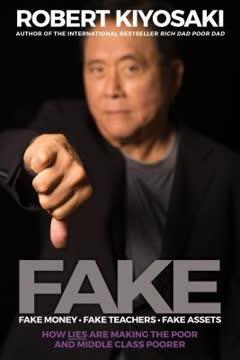
Something is wrong with the financial world. Most people sense it even if they cannot articulate it. They work hard, save diligently, invest in their retirement accounts, and follow the advice of financial professionals. Yet they never seem to get ahead. They watch the rich grow richer while their own financial progress crawls forward. They wonder what they are missing.
**Author:** Robert T. Kiyosaki
**Estimated Reading Time:** 45 minutes
**What You'll Learn:** - Why the financial system is rigged against ordinary savers - How to distinguish real assets from fake ones - Why financial education matters more than academic credentials - How to use debt as a tool rather than a trap - What role gold and silver play in protecting wealth - How to prepare for economic instability - Why spiritual awareness and real-world mentors matter
**Who This Book Is For:** This book is for anyone who suspects the traditional financial advice they received is incomplete. It is for employees who feel trapped in jobs they dislike, savers who watch inflation erode their purchasing power, and investors who wonder why their retirement accounts never seem to grow fast enough. It is also for entrepreneurs who want to understand how the wealthy think differently about money, debt, and opportunity.
Something is wrong with the financial world. Most people sense it even if they cannot articulate it. They work hard, save diligently, invest in their retirement accounts, and follow the advice of financial professionals. Yet they never seem to get ahead. They watch the rich grow richer while their own financial progress crawls forward. They wonder what they are missing. Robert Kiyosaki argues that what they are missing is not effort or intelligence. What they are missing is an understanding of how money actually works. The problem, he explains, is that most people are operating with fake money, listening to fake teachers, and buying fake assets. They are playing a game whose rules they do not understand, and the game is designed to keep them losing. The story begins in 1971. That was the year President Richard Nixon took the United States dollar off the gold standard. Before that moment, the dollar was backed by something real. After that moment, the dollar became backed by nothing more than faith in the government that printed it. This single decision changed everything. It allowed central banks to create money out of thin air, which led to inflation, which led to the silent erosion of savings, which led to the widening gap between those who own real assets and those who hold paper. Kiyosaki calls this the biggest financial event of the modern era, yet most people have never heard of it. They do not know that their money is fake, that it loses value every year, and that the system depends on their ignorance to function. The second problem is fake teachers. Traditional education teaches students how to be good employees. It teaches them to get good grades, find a safe job, and save for retirement. It does not teach them how money…
Continue reading in the MinuteRead app
Get the complete 30-minute summary of FAKE
Get the complete summary in the appThe rich do not work for money. They make money work for them.
An asset puts money in your pocket. A liability takes money out.
Since 1971, money has been fake. It is backed by nothing.
The financial system is built on debt and is unsustainable.
Good debt acquires assets. Bad debt finances consumption.
Gold and silver are insurance against currency collapse.
"FAKE" is a strong fit if you want practical ideas around business, finance, money, especially themes like the rich do not work for money. they make money work for them; an asset puts money in your pocket. a liability takes money out. The MinuteRead summary distills these concepts into a focused read, whether you're deciding whether to buy the book or applying its lessons at work.
Robert Toru Kiyosaki is an American businessman and author best known for his "Rich Dad Poor Dad" series of personal finance books. He founded the Rich Dad Company and Rich Global LLC, the latter of which filed for bankruptcy in 2012. Kiyosaki has faced legal challenges, including a class action lawsuit from seminar attendees and investigations by media outlets. His financial advice and seminars have been subjects of controversy. In January 2024, Kiyosaki disclosed that he was over $1 billion in…
View all summaries by Robert T. KiyosakiContinue Reading
Access the complete 30-minute summary and thousands more nonfiction books in the MinuteRead app.

Continue reading the complete summary in the MinuteRead app.






