 MinuteRead
30 min
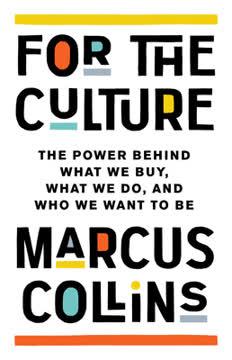
Every day, we make thousands of decisions. What to wear. What to eat. What to buy. Who to trust. What to believe. Most of us assume these decisions are rational, the product of careful deliberation and individual preference. We believe we are autonomous actors, freely choosing from the options before us.
**Author:** Marcus Collins **Estimated Reading Time:** 45 minutes
**What You'll Learn:**
- Why culture, not demographics, is the true driver of human behavior - How to identify and mobilize communities that share your worldview - The mechanics of meaning-making and why it matters more than messaging - How cultural codes create powerful brand connections - The ethical responsibility that comes with cultural influence
**Who This Book Is For:**
This book is for marketers, leaders, entrepreneurs, and anyone who wants to understand why people truly do what they do. If you have ever wondered why some campaigns inspire movements while others fall flat, why certain brands become cultural icons while others remain commodities, or how to genuinely connect with communities rather than simply sell to them, this book will transform your understanding.
Every day, we make thousands of decisions. What to wear. What to eat. What to buy. Who to trust. What to believe. Most of us assume these decisions are rational, the product of careful deliberation and individual preference. We believe we are autonomous actors, freely choosing from the options before us. Marcus Collins has spent his career discovering that this assumption is fundamentally wrong. The truth is that our decisions are not primarily driven by individual calculation. They are driven by culture. The communities we belong to, the identities we hold, the worldviews we inherit, and the expressions we share all shape our behavior in ways we rarely recognize. We buy certain brands because our people buy those brands. We hold certain beliefs because our communities hold those beliefs. We speak in certain ways because our tribes speak in those ways. Collins came to this understanding through an unusual path. He grew up in Detroit, immersed in Black culture, where he learned early that community identity shaped everything from musical taste to fashion choices to political views. He later became a marketer, working with brands like Beyoncé, Apple, and the Brooklyn Nets. He earned a doctorate in marketing and became a professor at the University of Michigan. Along the way, he noticed something that troubled him. The marketing industry was getting culture wrong. Most marketers treated culture as a demographic variable. They segmented audiences by age, income, gender, and geography, then crafted messages designed to appeal to these categories. They treated culture as a surface-level characteristic, something to be acknowledged in advertising but not deeply understood. This approach produced campaigns that felt hollow, inauthentic, and ultimately ineffective. Collins saw a different possibility. What if culture was not a variable to be managed but the fundamental operating system of human behavior? What if understanding culture deeply could unlock not just better marketing but better leadership, better relationships, and better organizations?…
Continue reading in the MinuteRead app
Get the complete 30-minute summary of For the Culture
Get the complete summary in the appCulture is a realized meaning-making system anchored in identity. It shapes how we see the world, how we live, and how w
Find your congregation. Target people who share your worldview, not people who fit a demographic profile.
Preach the gospel. Lead with beliefs and values, not features and benefits.
Meaning is determined by the community, not the sender. Test your communication to ensure meaning congruence.
Distinguish between fast culture and slow culture. Trends change quickly. Beliefs change slowly.
Develop cultural intimacy. Immerse yourself in the communities you want to reach. Learn their codes.
"For the Culture" is a strong fit if you want practical ideas around business, psychology, cultural, especially themes like culture is a realized meaning-making system anchored in identity. it shapes how we see the world, how we live, and how w; find your congregation. target people who share your worldview, not people who fit a demographic profile. The MinuteRead summary distills these concepts into a focused read, whether you're deciding whether to buy the book or applying its lessons at work.
Marcus Collins is a marketing strategist, professor, and author known for his expertise in leveraging culture for brand success. He serves as the head of strategy at Wieden+Kennedy and teaches marketing at the University of Michigan. Collins has worked with high-profile clients like Apple, Nike, and the NBA's Brooklyn Nets, creating impactful marketing campaigns. His background combines academic knowledge with practical industry experience, allowing him to provide unique insights into the inters…
View all summaries by Marcus CollinsContinue Reading
Access the complete 30-minute summary and thousands more nonfiction books in the MinuteRead app.

Continue reading the complete summary in the MinuteRead app.






