MinuteRead
30 min
Book summary
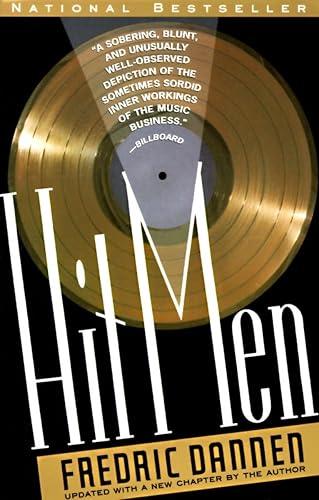
by Fredric Dannen
Premium summary · Opens in the app · 30 min read
Every time you hear a hit song on the radio, you are hearing the end result of a process that has almost nothing to do with music. You are hearing the final product of a system built on money, influence, intimidation, and relationships. The song had to navigate a gauntlet of promoters, executives, lawyers, and middlemen before it ever reached your ears. And at every step, someone was paid.
**Author:** Fredric Dannen
**Estimated Reading Time:** 45 minutes
**What You'll Learn:**
- How the modern music industry was built by hustlers, mobsters, and visionary entrepreneurs - Why independent promoters controlled what America heard on the radio - How payola evolved from cash bribes to a sophisticated system of legal corruption - Why record executives became more powerful than the artists they represented - What happens when billions of dollars flow through an industry with almost no rules
**Who This Book Is For:**
This book is for anyone who has ever wondered why certain songs become hits while others disappear. It is for music fans who sense there is a machinery behind the magic. It is for business readers fascinated by industries where personality, power, and money collide. And it is for anyone who wants to understand how the music that defined American culture was bought, sold, and manipulated behind closed doors.
Every time you hear a hit song on the radio, you are hearing the end result of a process that has almost nothing to do with music. You are hearing the final product of a system built on money, influence, intimidation, and relationships. The song had to navigate a gauntlet of promoters, executives, lawyers, and middlemen before it ever reached your ears. And at every step, someone was paid. Fredric Dannen's *Hit Men* pulls back the curtain on this system. Published in 1990, the book remains the definitive account of how the American music business actually worked during its most lucrative decades. Dannen spent years interviewing the men who ran the industry, the promoters who controlled radio airplay, the lawyers who structured the deals, and the artists who often ended up with nothing. What he found was not a business in the traditional sense. It was a subculture with its own rules, its own morality, and its own code of loyalty and betrayal. The music industry emerged from the margins of American society. Its founders were not Ivy League graduates or corporate strategists. They were street hustlers, jukebox operators, nightclub owners, and small-time entrepreneurs who saw an opportunity in the collision of technology and culture. Many had connections to organized crime. Many operated in legal gray zones because there was no other way to operate. The early record business was a frontier, and frontiers reward the ruthless. By the 1980s, the industry had transformed into a multibillion-dollar corporate enterprise. But the transformation was superficial. The same instincts that drove the pioneers still governed the boardrooms. The same willingness to bend rules still determined who succeeded. The same network of independent promoters still controlled what America heard. The suits changed, but the game remained the same. Dannen's book matters because…
Continue reading in the MinuteRead app
Get the complete 30-minute summary of Hit Men
Get the complete summary in the appThe music industry was built by hustlers who saw music as a product, not an art form.
Radio airplay, the key to success, was controlled by a network of independent promoters who charged for access.
Payola evolved from direct bribes to sophisticated legal arrangements that were difficult to prosecute.
Record executives were powerful figures whose personal tastes and relationships shaped the industry.
Artists were systematically exploited through unfair contracts and manipulated accounting.
The music industry operated in perpetual legal gray zones that rewarded those willing to push boundaries.
"Hit Men" is a strong fit if you want practical ideas around music, business, history, especially themes like the music industry was built by hustlers who saw music as a product, not an art form; radio airplay, the key to success, was controlled by a network of independent promoters who charged for access. The MinuteRead summary distills these concepts into a focused read, whether you're deciding whether to buy the book or applying its lessons at work.
Motivated to help readers with "If a guy's a cocksucker in his life, Fredric Dannen wrote “Hit Men” to package those ideas for a fast, focused read. In “Hit Men”, Fredric Dannen focuses on "If a guy's a cocksucker in his life. Through “Hit Men”, Fredric Dannen distills the core ideas on music into lessons readers can absorb in a single short sitting. Readers turn to this work when they want Fredric Dannen's perspective on the subject without working through the entire original volume. Fredric Da…
Continue Reading
Access the complete 30-minute summary and thousands more nonfiction books in the MinuteRead app.

Continue reading the complete summary in the MinuteRead app.