 MinuteRead
30 min
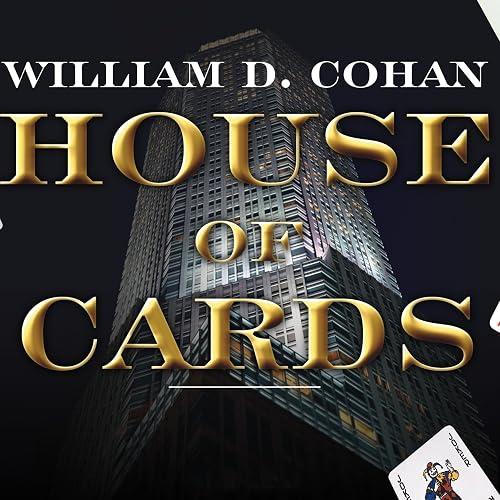
Book summary
by William D. Cohan
Premium summary · Opens in the app · 30 min read
On March 10, 2008, Bear Stearns was the fifth-largest investment bank in America. The firm had survived the Great Depression, World War II, numerous recessions, and every market panic since its founding in 1923. It had just reported record revenues the previous year. Its headquarters on Madison Avenue stood as a monument to eighty-five years of survival and success.
**Author:** William D. Cohan
**Estimated Reading Time:** 4 hours 30 minutes
**What You'll Learn:** How one of Wall Street's most storied investment banks collapsed in a matter of days, why the financial system proved far more fragile than anyone imagined, and what the fall of Bear Stearns reveals about the nature of confidence, leverage, and modern finance.
**Who This Book Is For:** Anyone seeking to understand the 2008 financial crisis from the inside, professionals navigating risk in any industry, investors wanting to recognize early warning signs of institutional failure, and readers fascinated by the human drama behind market collapses.
On March 10, 2008, Bear Stearns was the fifth-largest investment bank in America. The firm had survived the Great Depression, World War II, numerous recessions, and every market panic since its founding in 1923. It had just reported record revenues the previous year. Its headquarters on Madison Avenue stood as a monument to eighty-five years of survival and success. Six days later, the firm no longer existed as an independent entity. The speed of the collapse stunned even those who lived through it. One executive described the experience as going from solvent to dead in roughly twenty-four hours. There was no prolonged decline, no gradual erosion of business, no slow bleed of talent and capital. There was simply a rumor, then a loss of confidence, then an avalanche of withdrawal requests, and then nothing. William D. Cohan spent seventeen years working on Wall Street before becoming a journalist. He understood the culture from the inside. He knew how these firms operated, how they funded themselves, how they managed risk, and how they thought about the world. When Bear Stearns collapsed, he recognized something that many outside observers missed: this was not merely a story about bad mortgage bets or flawed financial models. It was a story about the fundamental architecture of modern finance, an architecture that had been built on a foundation of trust that proved astonishingly fragile. The problem Cohan identified was structural. Investment banks like Bear Stearns did not fund themselves the way traditional banks did. They had no depositors providing a stable base of capital. Instead, they borrowed money every single day in short-term markets, often overnight. They pledged securities as collateral and received cash in return, then repeated the process the next morning. This system worked brilliantly for decades, allowing firms to operate with enormous leverage and generate outsized returns. But it contained a fatal flaw: the entire enterprise depended on lenders being willing to roll over those loans every day without question. The moment lenders began asking questions, the model collapsed. What makes Cohan's account so valuable is his access. He interviewed the key players: Jimmy…
Continue reading in the MinuteRead app
Get the complete 30-minute summary of House of Cards
Get the complete summary in the appInvestment banks relied on short-term funding that could disappear overnight, making them always twenty-four hours away
The collapse of Bear Stearns was caused by a loss of confidence, not by insolvency.
Perception is often more important than reality in financial markets.
The attempt to reassure the market signals weakness and accelerates the loss of confidence.
The financial system is highly interconnected, meaning that problems at one institution can quickly spread to others.
The distinction between liquidity and solvency is crucial for understanding financial crises.
"House of Cards" is a strong fit if you want practical ideas around business, finance, economics, especially themes like investment banks relied on short-term funding that could disappear overnight, making them always twenty-four hours away; the collapse of bear stearns was caused by a loss of confidence, not by insolvency. The MinuteRead summary distills these concepts into a focused read, whether you're deciding whether to buy the book or applying its lessons at work.
Motivated to help readers with “The dirty little secret of what used to be known as Wall Street securities firms… was that every one of them, William D. Cohan wrote “House of Cards” to package those ideas for a fast, focused read. In “House of Cards”, William D. Cohan focuses on “The dirty little secret of what used to be known as Wall Street securities firms… was that every one of them. Through “House of Cards”, William D. Cohan distills the core ideas on business into lessons readers can absor…
Continue Reading
Access the complete 30-minute summary and thousands more nonfiction books in the MinuteRead app.

Continue reading the complete summary in the MinuteRead app.






