MinuteRead
30 min
Book summary
by David Byrne
Premium summary · Opens in the app · 30 min read
Most people believe music comes from somewhere deep inside the artist. A songwriter feels something, wrestles with it, and eventually produces a song that expresses that inner state. The music emerges fully formed from emotion, genius, or some mysterious creative spark.
**Author:** David Byrne **Estimated Reading Time:** 45 minutes
**What You'll Learn:**
Why the spaces where we hear music shape what we create. How technology from cathedrals to headphones has rewritten the rules of sound. What really happens when musicians collaborate. Why the music business is no longer in the business of selling music. And how making music, not just consuming it, changes who we are.
**Who This Book Is For:**
Anyone who has ever wondered why a song sounds the way it does. Musicians trying to understand the forces that shape their work. Listeners curious about the invisible architecture behind their favorite recordings. And anyone interested in how creativity actually happens in the real world.
Most people believe music comes from somewhere deep inside the artist. A songwriter feels something, wrestles with it, and eventually produces a song that expresses that inner state. The music emerges fully formed from emotion, genius, or some mysterious creative spark. David Byrne spent decades believing something closer to the opposite. His insight, developed over a lifetime of making music in radically different settings, is that we unconsciously and instinctively make work to fit preexisting formats. The space where music will be heard, the technology available to create it, the business structures that distribute it, and the social expectations surrounding it all shape the music itself. Form follows function. A song written for a cathedral will not sound like a song written for a car stereo. A piece created in a professional studio will not resemble something recorded in a bedroom. The context comes first, and the music adapts to fill it. This idea sounds almost mechanical when stated plainly. It seems to strip away the romance of artistic creation. But Byrne's argument is more subtle and more liberating than that. He is not saying that emotion and inspiration play no role. He is saying that creativity always operates within constraints, and those constraints are often invisible to us. Once we see them, we understand why music sounds the way it does in different eras and places. We also gain a new kind of freedom. If the container shapes the content, then changing the container becomes a creative act in itself. Byrne came to this understanding through direct experience. He began as a shy art student playing folk songs in coffeehouses. He performed on the street with nothing but a ukulele. He fronted a band in a tiny, filthy New York club called CBGB where the audience was close enough to touch. He played enormous arenas where the sound bounced around for seconds before reaching the back rows. He made records in state-of-the-art studios and in living rooms. Each setting demanded different music, different performance…
Continue reading in the MinuteRead app
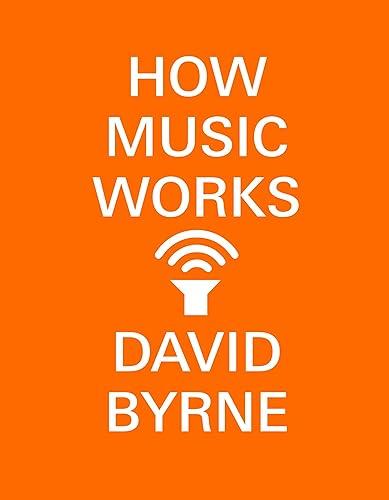
Get the complete 30-minute summary of How Music Works
Get the complete summary in the appContext shapes creation. The space, technology, and social setting where music happens all shape the music itself.
Form follows function. Musicians adapt their compositions to the spaces where they will be performed, often unconsciousl
Technology is not neutral. Every recording medium has biases that shape what music gets made and how it sounds.
The studio is an instrument. Recording technology enables new ways of making music that are impossible in live performan
Collaboration fuels creativity. Working with others introduces new ideas and challenges assumptions.
The music business is changing. The old model of selling physical objects is collapsing, and artists are exploring new m
"How Music Works" is a strong fit if you want practical ideas around music, history, art, especially themes like context shapes creation. the space, technology, and social setting where music happens all shape the music itself; form follows function. musicians adapt their compositions to the spaces where they will be performed, often unconsciousl. The MinuteRead summary distills these concepts into a focused read, whether you're deciding whether to buy the book or applying its lessons at work.
Motivated to help readers with i believe that we unconsciously and instinctively make work to fit preexisting formats, David Byrne wrote “How Music Works” to package those ideas for a fast, focused read. In “How Music Works”, David Byrne focuses on i believe that we unconsciously and instinctively make work to fit preexisting formats. Through “How Music Works”, David Byrne distills the core ideas on music into lessons readers can absorb in a single short sitting. Readers turn to this work when t…
Continue Reading
Access the complete 30-minute summary and thousands more nonfiction books in the MinuteRead app.

Continue reading the complete summary in the MinuteRead app.