 MinuteRead
30 min
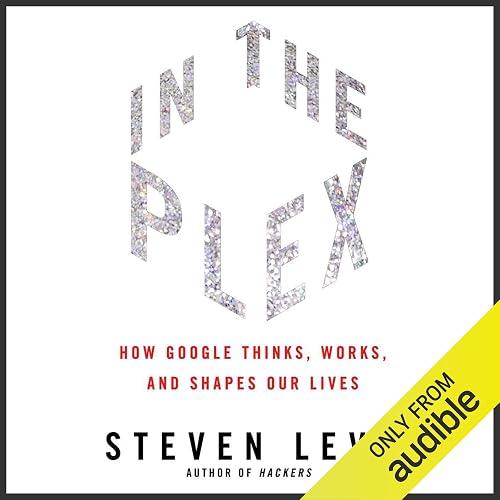
Book summary
by Steven Levy
Premium summary · Opens in the app · 30 min read
In the early 1990s, finding anything on the internet was a frustrating exercise in guesswork. Search engines existed, but they were terrible. They returned results based on how many times a keyword appeared on a page, which meant that a site repeating the word "cars" hundreds of times in white text on a white background would rank above a genuinely useful automotive resource. The web was growing explosively, but it was becoming less navigable by the day. The more information appeared online, the
**Author:** Steven Levy **Estimated Reading Time:** 45 minutes
**What You'll Learn:**
How two Stanford graduate students built the most influential company of the internet age, why Google's engineering culture produced both brilliant innovations and profound blind spots, and what the company's evolution reveals about the tension between idealism and scale.
**Who This Book Is For:**
Anyone who wants to understand how Google actually works beneath the public relations surface. This book is for readers curious about the engineering mindset that reshaped the internet, the business decisions that created one of history's most profitable companies, and the cultural forces that continue to shape how billions of people access information.
In the early 1990s, finding anything on the internet was a frustrating exercise in guesswork. Search engines existed, but they were terrible. They returned results based on how many times a keyword appeared on a page, which meant that a site repeating the word "cars" hundreds of times in white text on a white background would rank above a genuinely useful automotive resource. The web was growing explosively, but it was becoming less navigable by the day. The more information appeared online, the harder it became to find anything specific. This was the problem that two Stanford University graduate students decided to solve. Larry Page and Sergey Brin did not set out to build a company. They set out to build a better way to search. Their solution, an algorithm called PageRank, treated the web as a vast network of citations, where a link from one page to another functioned as a vote of confidence. This single insight transformed the internet from a chaotic repository into a navigable universe. But the story of Google is not simply a story about a clever algorithm. It is a story about a particular way of thinking. Steven Levy spent years researching the company, interviewing hundreds of current and former employees, and gaining unprecedented access to its inner workings. What he discovered was an organization that operated according to principles radically different from those of traditional corporations. Google believed that data could answer almost any question. Google believed that engineers, given freedom and resources, would produce extraordinary results. Google believed that the company could make billions of dollars while still adhering to a motto that sounded naive to outsiders: Don't be evil. The tension between these ideals and the realities of running a massive global business forms the central drama of this book. Google's story is not a simple tale of triumph. It is a story about what happens when a company built on idealistic principles confronts the messy realities of competition, regulation, and its own accumulating power. It is a story about how the culture…
Continue reading in the MinuteRead app
Get the complete 30-minute summary of In the Plex
Get the complete summary in the appGoogle's founders were Montessori kids, and that educational background shaped the company's culture of self-directed le
PageRank treated links as votes, transforming the web from chaos into a navigable universe.
Google's advertising system ranked ads by relevance, not just bid amount, creating incentives for quality.
The 20 percent time policy produced some of Google's most successful products, including Gmail.
Google treated server failures as normal, enabling infrastructure at unprecedented scale.
The cloud computing vision challenged the desktop software model and transformed how people interact with computers.
"In the Plex" is a strong fit if you want practical ideas around business, technology, history, especially themes like google's founders were montessori kids, and that educational background shaped the company's culture of self-directed le; pagerank treated links as votes, transforming the web from chaos into a navigable universe. The MinuteRead summary distills these concepts into a focused read, whether you're deciding whether to buy the book or applying its lessons at work.
Motivated to help readers with "You can't understand Google unless you know that both Larry and Sergey were Montessori kids." Montessori, Steven Levy wrote “In the Plex” to package those ideas for a fast, focused read. In “In the Plex”, Steven Levy focuses on "You can't understand Google unless you know that both Larry and Sergey were Montessori kids." Montessori. Through “In the Plex”, Steven Levy distills the core ideas on business into lessons readers can absorb in a single short sitting. Rea…
Continue Reading
Access the complete 30-minute summary and thousands more nonfiction books in the MinuteRead app.

Continue reading the complete summary in the MinuteRead app.






