MinuteRead
30 min
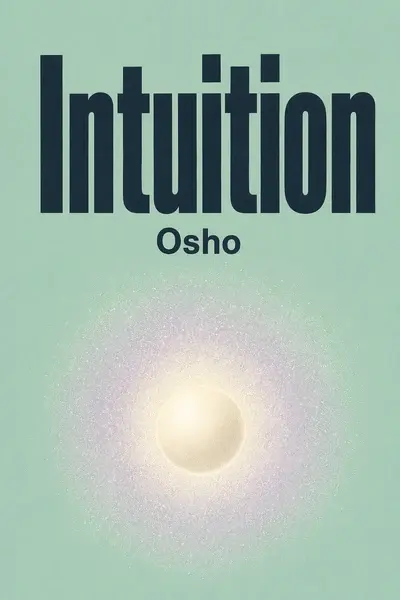
Book summary
by Osho
Premium summary · Opens in the app · 30 min read
Human beings live in a strange paradox. We possess an extraordinary capacity for rational thought, yet we often feel disconnected from our own deepest wisdom. We can analyze, calculate, and predict, yet we struggle to know what we truly want. We can solve complex problems, yet we remain confused about the simplest questions of how to live.
**Author:** Osho
**Estimated Reading Time:** 45 minutes
**What You'll Learn:**
- Why intuition is the highest form of intelligence available to human beings - How to distinguish between instinct, intellect, and intuition - Why the intellect has come to dominate modern life, and what this costs us - How to access your intuitive intelligence through relaxation, meditation, and trust - How to integrate intuition into daily decision-making without abandoning reason
**Who This Book Is For:**
This book is for anyone who has ever felt that logic alone cannot answer life's deepest questions. It is for those who sense there is a deeper knowing available to them, a quiet voice beneath the noise of constant thinking. If you have ever made a decision that defied rational explanation yet proved to be exactly right, this book will help you understand what happened and how to access that intelligence more deliberately.
Human beings live in a strange paradox. We possess an extraordinary capacity for rational thought, yet we often feel disconnected from our own deepest wisdom. We can analyze, calculate, and predict, yet we struggle to know what we truly want. We can solve complex problems, yet we remain confused about the simplest questions of how to live. This paradox exists because we have come to rely almost exclusively on one dimension of our consciousness while neglecting another that is equally real and far more profound. The intellect is a remarkable tool. It allows us to build bridges, perform surgery, send spacecraft to distant planets, and create works of staggering complexity. But the intellect has a fundamental limitation: it can only work with what it already knows. It processes information, compares patterns, and draws conclusions based on past experience. When faced with something genuinely new, something that cannot be reduced to existing categories, the intellect falters. There is another way of knowing. It does not proceed step by step. It does not analyze or compare. It simply sees. This is intuition, and according to Osho, it represents the highest rung on the ladder of human consciousness. Osho was one of the most provocative and influential spiritual teachers of the twentieth century. Born in India in 1931, he spent his life challenging conventional thinking about religion, meditation, and human potential. His teachings drew from both Eastern contemplative traditions and Western psychology, creating a synthesis that spoke to millions of people searching for meaning beyond material success. In this book, Osho presents a radical argument: that we have been educated to distrust our own inner knowing, and that this distrust is the root of much of our suffering. From childhood, we are taught to look outside ourselves for answers. We are taught to value logic…
Continue reading in the MinuteRead app
Get the complete 30-minute summary of Intuition
Get the complete summary in the appIntuition is the highest form of intelligence, beyond both instinct and intellect.
Modern life overdevelops the intellect while neglecting intuition.
Accessing intuition requires peeling away layers of conditioning.
The feminine principle of receptivity is essential for intuition.
Relaxation is the gateway to intuitive wisdom.
Meditation cultivates the witnessing awareness that allows intuition to arise.
"Intuition" is a strong fit if you want practical ideas around spirituality, philosophy, self help, especially themes like intuition is the highest form of intelligence, beyond both instinct and intellect; modern life overdevelops the intellect while neglecting intuition. The MinuteRead summary distills these concepts into a focused read, whether you're deciding whether to buy the book or applying its lessons at work.
راجنيش تشاندرا موهان جاين، المعروف باسم أوشو، كان زعيمًا روحيًا هنديًا غامضًا ومثيرًا للجدل. برز في ستينيات القرن الماضي بفضل تعاليمه غير التقليدية حول التأمل والجنس والروحانيات. أسس أوشو أشرمات في الهند ولاحقًا في الولايات المتحدة، حيث جذب أتباعًا من الغرب. واجهت حركته مشاكل قانونية وصراعات مع السلطات المحلية. في عام 1985، تم ترحيله من الولايات المتحدة، ورفضت العديد من الدول السماح له بالدخول قبل أن يعود إلى الهند. توفي في عام 1990، تاركًا أثرًا عميقًا في الفكر الغربي الجديد. ولا تزال تعاليمه ت…
View all summaries by OshoContinue Reading
Access the complete 30-minute summary and thousands more nonfiction books in the MinuteRead app.

Continue reading the complete summary in the MinuteRead app.