 MinuteRead
30 min
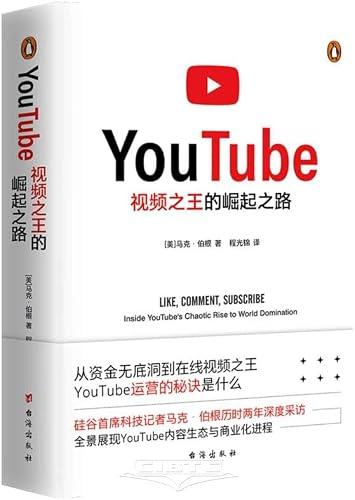
Book summary
by Mark Bergen
Premium summary · Opens in the app · 30 min read
In the beginning, YouTube was not supposed to change the world. It was supposed to be a dating site. Three young men who had worked together at PayPal, Chad Hurley, Steve Chen, and Jawed Karim, wanted to build a place where people could upload videos of themselves in the hopes of finding romance. The idea was simple, perhaps even a little awkward. But the internet had other plans.
**Author:** Mark Bergen
**Estimated Reading Time:** 45 minutes
**What You'll Learn:**
- How YouTube evolved from a failed dating site into the most powerful media platform in history - The internal battles that shaped YouTube's approach to content, creators, and controversy - Why the algorithm became both YouTube's greatest asset and its most dangerous liability - The rise of the creator economy and how ordinary people built media empires - The ethical dilemmas that continue to define YouTube's relationship with society
**Who This Book Is For:**
Anyone who has ever watched a YouTube video, which is nearly everyone. This book is for people curious about how the platform that reshaped global media actually works behind the scenes. It is for creators trying to understand the system they operate within. It is for parents wondering what their children are watching. It is for citizens concerned about how information spreads in the digital age. And it is for anyone who wants to understand how a company founded by three PayPal employees became the video scaffolding of the internet.
In the beginning, YouTube was not supposed to change the world. It was supposed to be a dating site. Three young men who had worked together at PayPal, Chad Hurley, Steve Chen, and Jawed Karim, wanted to build a place where people could upload videos of themselves in the hopes of finding romance. The idea was simple, perhaps even a little awkward. But the internet had other plans. The site launched in 2005, and almost immediately, users ignored the dating premise entirely. They uploaded videos of their cats, their vacations, their opinions, their talents, and their lives. They shared these videos with friends, embedded them on blogs and social networks, and watched them by the millions. Within eighteen months, Google paid $1.65 billion to acquire the company. Within a decade, YouTube had become the largest video platform in human history, a place where more than a billion people watched more than a billion hours of content every single day. Mark Bergen's book tells the story of how this happened. But more importantly, it tells the story of what happened next. Because YouTube's rise was not simply a triumph of technology or entrepreneurship. It was the creation of a new kind of public square, one governed not by elected officials or editorial boards but by algorithms, advertising incentives, and the unpredictable behavior of billions of users. The problem YouTube set out to solve seemed straightforward: make it easy for anyone to share video online. Before YouTube, watching video on the internet was a miserable experience. Different formats, incompatible players, slow loading times, and confusing interfaces made it nearly impossible for ordinary people to share moving…
Continue reading in the MinuteRead app
Get the complete 30-minute summary of Like, Comment, Subscribe
Get the complete summary in the appYouTube began as a dating site and pivoted to become the video scaffolding of the internet.
The embedding feature was the key innovation that allowed YouTube videos to spread across the web.
The recommendation algorithm is designed to maximize engagement, which means it rewards extreme and sensational content.
The rabbit hole effect pushes users toward increasingly extreme content, amplifying existing tendencies.
The Adpocalypse revealed that advertisers have enormous power to shape platform policy.
Content moderation at scale is impossible to do perfectly, and every decision involves tradeoffs.
"Like, Comment, Subscribe" is a strong fit if you want practical ideas around business, technology, history, especially themes like youtube began as a dating site and pivoted to become the video scaffolding of the internet; the embedding feature was the key innovation that allowed youtube videos to spread across the web. The MinuteRead summary distills these concepts into a focused read, whether you're deciding whether to buy the book or applying its lessons at work.
Motivated to turn hard-won expertise into something readers can use every day, Mark Bergen wrote “Like, Comment, Subscribe” to distill the ideas behind the work into clear, actionable lessons. Through “Like, Comment, Subscribe”, Mark Bergen distills the core ideas on business into lessons readers can absorb in a single short sitting. Readers turn to this work when they want Mark Bergen's perspective on the subject without working through the entire original volume. The book is structured so each…
Continue Reading
Access the complete 30-minute summary and thousands more nonfiction books in the MinuteRead app.

Continue reading the complete summary in the MinuteRead app.






