 MinuteRead
30 min
Book summary
by Chip Espinoza
Premium summary · Opens in the app · 30 min read
Every generation believes the one coming after it is somehow softer, more entitled, and less willing to pay its dues. This complaint is as old as civilization itself. Ancient Greek philosophers grumbled about the youth of their day. Victorian employers complained about the work ethic of young factory workers. And today, managers across every industry express similar frustrations about Millennials, the generation born between roughly 1978 and 1996.
**Author:** Chip Espinoza
**Estimated Reading Time:** 45 minutes
**What You'll Learn:**
- Why generational differences create friction in today's workplace - What Millennials actually want from work and from their managers - How to adapt your leadership style without abandoning your principles - Practical strategies for engaging, motivating, and retaining younger employees - How to build a workplace culture that works across generations
**Who This Book Is For:**
Managers, team leaders, executives, and HR professionals who find themselves frustrated, confused, or challenged by their younger employees. It is also for anyone who wants to understand why the modern workplace feels different and how to navigate those differences with skill rather than resentment.
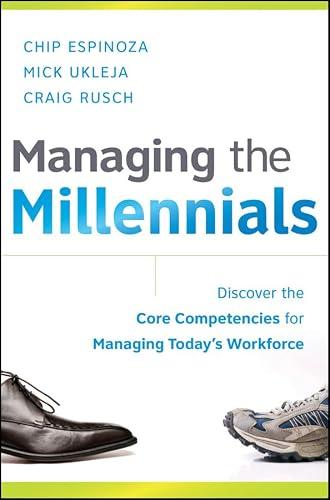
Every generation believes the one coming after it is somehow softer, more entitled, and less willing to pay its dues. This complaint is as old as civilization itself. Ancient Greek philosophers grumbled about the youth of their day. Victorian employers complained about the work ethic of young factory workers. And today, managers across every industry express similar frustrations about Millennials, the generation born between roughly 1978 and 1996. But something is different this time. The gap between generations in the modern workplace is not merely a matter of youthful inexperience meeting seasoned wisdom. It is a fundamental collision of worldviews shaped by dramatically different formative experiences. The technologies, economic conditions, parenting styles, and cultural messages that shaped Millennials bear little resemblance to those that shaped the Baby Boomers and Generation X managers now leading organizations. The result is a workplace where two groups often speak past each other, misunderstand each other's intentions, and grow increasingly frustrated with each other's behavior. Chip Espinoza wrote Managing the Millennials to address this divide. His central argument is both simple and challenging: the responsibility for bridging the generational gap falls primarily on managers. Not because Millennials are incapable of adapting, but because managers hold the power, the maturity, and the organizational authority to create conditions where cross-generational collaboration can thrive. As Espinoza puts it, "The people with the most maturity will have to adapt first." This is not a book about how to coddle young employees or lower your standards. It is not about giving participation trophies or abandoning accountability. It is about understanding what actually motivates Millennials, what they genuinely value, and how to channel their energy, creativity, and technological fluency into organizational success. The managers who learn to do this effectively will find themselves with engaged, loyal, and productive teams. Those who refuse will find themselves perpetually frustrated, dealing with high turnover and missed opportunities. The problem is urgent because the demographics are undeniable. Millennials are now the largest generation in the workforce. They are moving into management positions themselves.…
Continue reading in the MinuteRead app
Get the complete 30-minute summary of Managing the Millennials
Get the complete summary in the appThe responsibility for bridging the generational gap falls on managers, not Millennials. The people with the most maturi
Millennials want meaningful work, flexibility, autonomy, and growth. These are legitimate values, not unreasonable deman
Ambiguity is Millennials' kryptonite. Provide clear expectations, specific instructions, and regular check-ins.
Millennials interpret incentives as guarantees. If you promise a reward, deliver it. Integrity builds trust.
Engagement is a performance multiplier. Millennials work harder for managers who show genuine interest in them and their
Recognition is essential. Provide frequent, specific, timely acknowledgment of good work. Do not wait for annual reviews
"Managing the Millennials" is a strong fit if you want practical ideas around business, management, leadership, especially themes like the responsibility for bridging the generational gap falls on managers, not millennials. the people with the most maturi; millennials want meaningful work, flexibility, autonomy, and growth. these are legitimate values, not unreasonable deman. The MinuteRead summary distills these concepts into a focused read, whether you're deciding whether to buy the book or applying its lessons at work.
Motivated to help readers with "Each generation moves into the workforce, Chip Espinoza wrote “Managing the Millennials” to package those ideas for a fast, focused read. In “Managing the Millennials”, Chip Espinoza focuses on "Each generation moves into the workforce. Through “Managing the Millennials”, Chip Espinoza distills the core ideas on business into lessons readers can absorb in a single short sitting. Readers turn to this work when they want Chip Espinoza's perspective on the subject wi…
Continue Reading
Access the complete 30-minute summary and thousands more nonfiction books in the MinuteRead app.

Continue reading the complete summary in the MinuteRead app.






