 MinuteRead
30 min
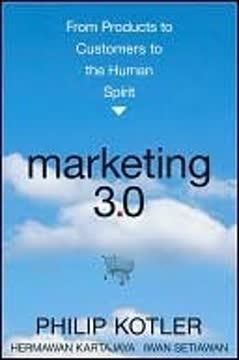
Marketing has always been a reflection of the society it serves. In the industrial age, when goods were scarce and demand outstripped supply, marketing was simple: make a good product, distribute it widely, and people would buy. The focus was entirely on the product. Quality, features, and price were the battlegrounds. Companies succeeded by being efficient manufacturers and reliable distributors.
**Author:** Philip Kotler
**Estimated Reading Time:** 45 minutes
**What You'll Learn:**
- Why marketing has entered a new era defined by values, meaning, and human connection - How the most successful companies are moving beyond selling products to addressing deeper human needs - The practical frameworks for building brands that resonate with today's conscious consumers - How to align your entire organization, from employees to channel partners, around a meaningful mission - The role of business in solving social and environmental challenges while remaining profitable
**Who This Book Is For:**
This book is for business leaders, marketers, entrepreneurs, and anyone who senses that the old rules of marketing no longer work. If you have felt the shift in consumer attitudes, if you have noticed that customers increasingly care about what companies stand for, and if you want to understand how to build a brand that matters in this new landscape, this book will give you the map.
Marketing has always been a reflection of the society it serves. In the industrial age, when goods were scarce and demand outstripped supply, marketing was simple: make a good product, distribute it widely, and people would buy. The focus was entirely on the product. Quality, features, and price were the battlegrounds. Companies succeeded by being efficient manufacturers and reliable distributors. Then the world changed. As markets matured and competition intensified, products became increasingly similar. A car was a car. A television was a television. Companies realized that the differentiator was no longer the product itself but the customer's experience of it. Marketing 2.0 was born. The customer became king, and companies invested heavily in understanding consumer psychology, segmentation, and relationship building. The goal shifted from making the best product to satisfying the most customers. But something else was happening beneath the surface. The internet arrived. Mobile phones proliferated. Social media connected billions of people. Suddenly, consumers had access to information that was previously unavailable. They could compare prices instantly, read reviews from strangers, and expose corporate misbehavior to the world. The balance of power shifted. Consumers became more informed, more skeptical, and more demanding. At the same time, a new generation of consumers began to emerge. These consumers grew up in a world facing climate change, economic inequality, and social unrest. They watched corporations receive bailouts while ordinary people lost their homes. They saw brands claim to care about the environment while polluting rivers. They became disillusioned with institutions and skeptical of marketing messages. This is the world Marketing 3.0 addresses. It is a world where consumers are no longer satisfied with functional benefits or even emotional connections. They want to know what a company stands for. They want to know whether a…
Continue reading in the MinuteRead app
Get the complete 30-minute summary of Marketing 3.0
Get the complete summary in the appMarketing 3.0 is human-centric. It treats consumers as whole human beings with minds, hearts, and spirits.
The three forces driving Marketing 3.0 are technology, globalization, and the creative society.
Brand integrity is the foundation of trust. Your actions must match your words.
The 3i Model aligns brand identity, brand integrity, and brand image.
Mission-driven marketing is about meaning, not just products. Invite consumers to join your mission.
Employees are your brand. Engage them in your values.
"Marketing 3.0" is a strong fit if you want practical ideas around business, management, economics, especially themes like marketing 3.0 is human-centric. it treats consumers as whole human beings with minds, hearts, and spirits; the three forces driving marketing 3.0 are technology, globalization, and the creative society. The MinuteRead summary distills these concepts into a focused read, whether you're deciding whether to buy the book or applying its lessons at work.
Philip Kotler is a renowned marketing expert and author of numerous influential textbooks, including the widely-used "Marketing Management." He has developed new marketing concepts and believes in expanding marketing theory beyond price theory. Kotler has worked with large companies on marketing strategy and presents seminars worldwide. He is considered the "father of Marketing Management" and has significantly contributed to the field's advancement. Kotler's work emphasizes innovation, distribu…
View all summaries by Philip KotlerContinue Reading
Access the complete 30-minute summary and thousands more nonfiction books in the MinuteRead app.

Continue reading the complete summary in the MinuteRead app.






