 MinuteRead
30 min
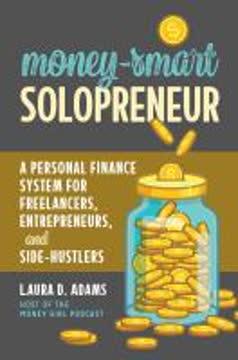
Book summary
Premium summary · Opens in the app · 30 min read
Every year, millions of people dream about leaving their jobs to work for themselves. They imagine setting their own hours, choosing their clients, and finally doing work that matters to them. Some take the leap. Most hesitate. And among those who do make the jump, a significant number find themselves back in traditional employment within a few years, not because they failed at their craft, but because they failed to manage the financial realities of self-employment.
**Author:** Laura D. Adams **Estimated Reading Time:** 45 minutes
**What You'll Learn:** How to build a financially secure solo business from the ground up, including the right mindset, money systems, tax strategies, benefits planning, and retirement preparation that most self-employed people learn too late.
**Who This Book Is For:** Anyone considering leaving traditional employment to work for themselves, current freelancers and independent contractors who feel overwhelmed by the financial side of self-employment, and solopreneurs who want to build lasting security rather than just scraping by.
The central argument of this book is deceptively simple: financial security is the foundation of creative and professional freedom. Without a solid financial base, the freedom that attracts people to solopreneurship becomes an illusion. You cannot enjoy the flexibility of self-employment when you are constantly worried about making rent. You cannot choose projects that align with your values when you are desperate for any paying client. You cannot build a sustainable business when you are one slow month away from financial crisis. Adams frames this argument through a lens that many aspiring solopreneurs resist. She suggests that the path to freedom runs through discipline. The more structure you build into your financial life, the more freedom you create in your professional life. This sounds paradoxical, but it reflects a deep truth about how successful solo businesses actually operate. Consider the solopreneur who has no system for managing money. Every month is an improvisation. Some months bring abundant income, and the money disappears quickly into lifestyle inflation and unplanned expenses. Other months bring scarcity, and the solopreneur scrambles to cover basic bills. This person has no real freedom because every decision is constrained by immediate financial pressure. They cannot turn down a bad client because they need the money. They cannot invest in professional development because there is never a surplus. They cannot take time off because the income stops when they stop working. Now consider the solopreneur who has built a proper financial foundation. They have a cash reserve that covers several months of expenses. They have a system for setting aside money for taxes, so the quarterly payment never comes as a shock. They have automated their retirement contributions, so their future is being funded regardless of what happens this month. They have a realistic budget that accounts for both essential expenses and meaningful goals. This person can make decisions from a position of strength. They can choose clients based on fit rather than desperation. They can invest in their skills. They can take a vacation without watching their business collapse. The difference between these two scenarios is not primarily about income. It is about systems. A solopreneur earning $50,000 with good financial systems…
Continue reading in the MinuteRead app
Get the complete 30-minute summary of Money-Smart Solopreneur
Get the complete summary in the appDefine success on your own terms before making major career decisions.
Build a cash reserve covering three to six months of expenses before quitting your job.
Choose a business structure that provides appropriate liability protection.
Create a money system that separates income into categories and automates allocations.
Set aside 25 to 30 percent of every payment for taxes.
Never go without health insurance, regardless of the cost.
"Money-Smart Solopreneur" is a strong fit if you want practical ideas around business, finance, personal finance, especially themes like define success on your own terms before making major career decisions; build a cash reserve covering three to six months of expenses before quitting your job. The MinuteRead summary distills these concepts into a focused read, whether you're deciding whether to buy the book or applying its lessons at work.
Laura D. Adams is a financial expert and author known for her accessible approach to personal finance and entrepreneurship. She hosts the popular "Money Girl" podcast, which has garnered a loyal following. Adams specializes in providing practical financial advice for individuals and small business owners. Her writing style is characterized by clear, concise explanations of complex financial concepts. While her work primarily focuses on the US market, readers note that her principles can be appli…
View all summaries by Laura D. AdamsContinue Reading
Access the complete 30-minute summary and thousands more nonfiction books in the MinuteRead app.

Continue reading the complete summary in the MinuteRead app.






