MinuteRead
30 min
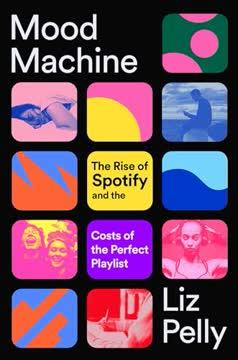
Every time I hear the story of Spotify, it's this dressed up version. The narrative goes something like this: music piracy was destroying the industry, record labels were panicking, and then along came a Swedish tech visionary who saved music by making it legal, convenient, and affordable. It's a nice story. It's also, according to Liz Pelly, largely a fiction.
**Author:** Liz Pelly
**Estimated Reading Time:** 45 minutes
**What You'll Learn:**
- How Spotify's origins in advertising and piracy shaped everything about the platform - Why mood-based playlists and "lean-back listening" devalued music as an art form - The hidden economy of ghost artists and discounted content - How data collection turned music listening into a surveillance operation - What musicians are doing to fight back and build alternatives
**Who This Book Is For:**
Anyone who has ever wondered why their favorite artist can't pay rent despite millions of streams. Anyone who has felt uneasy about how Spotify seems to know exactly what they want to hear. Anyone who suspects that the promise of "all the music in the world" came with hidden costs. This book is for listeners, musicians, and anyone who cares about the future of culture in an age of algorithmic consumption.
Every time I hear the story of Spotify, it's this dressed up version. The narrative goes something like this: music piracy was destroying the industry, record labels were panicking, and then along came a Swedish tech visionary who saved music by making it legal, convenient, and affordable. It's a nice story. It's also, according to Liz Pelly, largely a fiction. The real story is messier. Spotify didn't emerge from a love of music. It emerged from the world of advertising technology, from the same ecosystem that brought us banner ads, click tracking, and search engine optimization. The founders weren't music people. They were ad-tech people who saw a weakened industry and recognized an opportunity. This distinction matters more than it might seem. If Spotify is a music company, then its decisions should be evaluated on musical terms. Does it help artists? Does it foster creativity? Does it serve listeners? But if Spotify is an advertising company that uses music as its traffic source, then everything looks different. The playlists, the algorithms, the mood-based recommendations, the obsession with engagement metrics: all of it starts to make sense as a business strategy designed to keep people listening as long as possible while paying as little as possible for the content that keeps them there. Pelly's investigation into Spotify reveals a system that was never designed to benefit musicians. It was designed to benefit major labels, advertisers, and the platform itself. The "music for every moment" promise was never about enriching your life with art. It was about turning music into a utility, something you consume passively while doing other things, something you don't think too hard about, something that fills the silence without demanding your attention or your money. The consequences of this transformation are everywhere. Musicians who once made a living selling records and playing shows…
Continue reading in the MinuteRead app
Get the complete 30-minute summary of Mood Machine
Get the complete summary in the appSpotify is an advertising company, not a music company. Its decisions make sense when you understand that its primary go
The streaming model was designed to benefit major labels and pop stars, not independent musicians.
Lean-back listening is a strategic priority for Spotify. The platform wants you to consume music passively, not actively
Mood-based playlists are designed to be inoffensive and generic. They're music as utility, not music as art.
Spotify fills its playlists with cheap, anonymous content from ghost artists to reduce its royalty costs.
Spotify collects extensive data on your listening habits and shares that data with third parties.
"Mood Machine" is a strong fit if you want practical ideas around music, technology, business, especially themes like spotify is an advertising company, not a music company. its decisions make sense when you understand that its primary go; the streaming model was designed to benefit major labels and pop stars, not independent musicians. The MinuteRead summary distills these concepts into a focused read, whether you're deciding whether to buy the book or applying its lessons at work.
Liz Pelly is a New York-based writer and editor known for her critical analysis of the music industry, particularly streaming platforms. Her work focuses on the intersection of technology, culture, and capitalism in the music world. Pelly has gained recognition for her in-depth reporting on Spotify and its impact on artists and listeners. Her writing often challenges the current streaming model and advocates for fair compensation and treatment of musicians. Pelly's perspective is informed by her…
View all summaries by Liz PellyContinue Reading
Access the complete 30-minute summary and thousands more nonfiction books in the MinuteRead app.

Continue reading the complete summary in the MinuteRead app.