MinuteRead
30 min
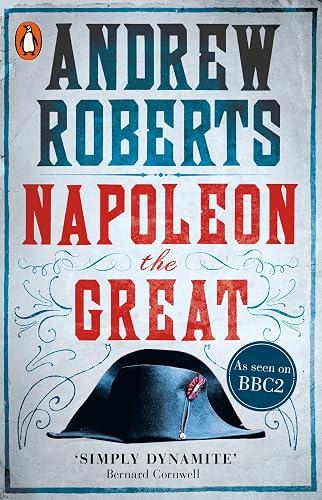
Napoleon The Great is the definitive, modern biography of legendary leader, French idol and European visionary Napoleon Bonaparte, detailing his life from his early years as an immigrant, over his rise through the military ranks, all the way to his greatest battles, political achievements and ultimate exile.
Napoleon The Great is the definitive, modern biography of legendary leader, French idol and European visionary Napoleon Bonaparte, detailing his life from his early years as an immigrant, over his rise through the military ranks, all the way to his greatest battles, political achievements and ultimate exile.
Napoleon was born in 1769, but not, as you might expect, in France. He was born on the island of Corsica, halfway between France and Italy, next to Sardinia. His full name at birth? Napoleone di Buonaparte. Yes, Napoleon was of Italian descent.
Corsica had been under Italian control until 1755 and only integrated into France one year before he was born. Luckily, one month after his birth, his father Carlo secured himself a job with the new French government, which further elevated their societal status, though they had been in good standing before. In 1771, Carlo successfully managed to apply for the newly minted Corsican Order of Nobility, which made the family aristocrats.
Only thanks to his dad’s hard work was it possible for Napoleon to get into the Royal Military School of Brienne-le-Château, located in mainland France, at ten years old.
So technically, Napoleon was an immigrant, and he got a lot of flack for it: the other students teased him about being the first Corsican in the school, being of fake nobility and made fun of his Corsican accent (which he’d keep for the rest of his life).
As often happens to immigrants, this early adversity only made him tougher, stronger and work harder than all of his peers. The result? At 16 years, he became one of the youngest officers in the French army, and the only Corsican to be in charge of artillery.
We talk a lot about Stoicism on Four Minute Books, and I think Napoleon is a good example of one. In particular, he did two things very characteristic of this ancient, Greek philosophy: He believed in an interdisciplinary education. He only focused on the things he could control. The first one becomes clear when you look at his letters, which were very prolific, the craft of a good writer, and often full of ideas from the Enlightenment movement. He tried to spread this new era of knowledge as much as possible, bringing with him hundreds of scientists, artists, botanists, zoologists and geographers on his military campaigns. In 1798, he even established an institute of science and art while fighting in Egypt – which would go on to discover the world-famous Rosetta stone a year later. Sadly, on that same campaign, he also found out his wife Josephine had been cheating on him for years. She’d married him more out of practicality, rather than love. Having…
Continue reading in the MinuteRead app
Get the complete 5-minute summary of Napoleon The Great
Get the complete summary in the appNapoleon was of Italian descent, which gave him a competitive edge.
His philosophy about life was a truly Stoic one, focused on interdisciplinarity and what he could control.
Napoleon’s vision was too early for his time, but that’s a price all great leaders pay.
"Napoleon The Great" is a strong fit if you want practical ideas around biography, history, philosophy, especially themes like napoleon was of italian descent, which gave him a competitive edge; his philosophy about life was a truly stoic one, focused on interdisciplinarity and what he could control. The MinuteRead summary distills these concepts into a focused read, whether you're deciding whether to buy the book or applying its lessons at work.
Motivated to help readers with the definitive, Andrew Roberts wrote “Napoleon The Great” to package those ideas for a fast, focused read. In “Napoleon The Great”, Andrew Roberts focuses on the definitive. Through “Napoleon The Great”, Andrew Roberts distills the core ideas on biography into lessons readers can absorb in a single short sitting. Readers turn to this work when they want Andrew Roberts's perspective on the subject without working through the entire original volume. Napoleon the Grea…
View all summaries by Andrew RobertsContinue Reading
Access the complete 5-minute summary and thousands more nonfiction books in the MinuteRead app.

Continue reading the complete summary in the MinuteRead app.