MinuteRead

5 min
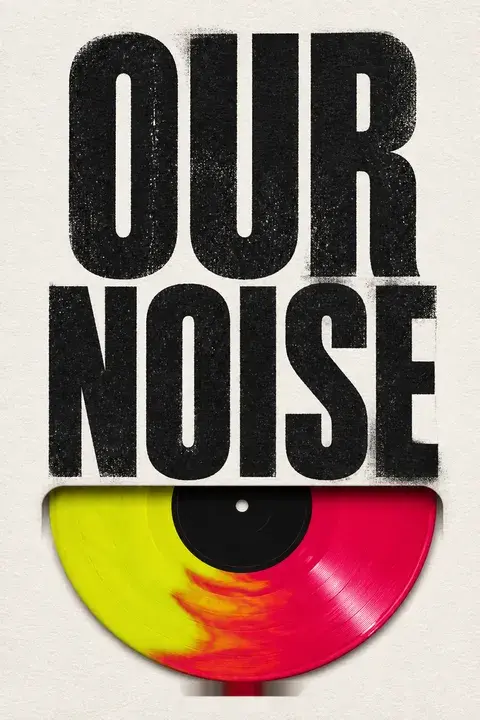
Book summary
by John Cook
Premium summary · Opens in the app · 30 min read
Every independent record label begins with a contradiction. The people who start them usually care more about music than money. They want to document a scene, support their friends, and release records that would not otherwise exist. But a label is also a business. It has to pay for manufacturing, distribution, and promotion. It has to decide which projects to fund and which to decline. It has to survive long enough to release the next record.
**By John Cook**
*Estimated Reading Time: 55 to 65 minutes*
How a small group of friends in Chapel Hill, North Carolina, built one of the most respected independent record labels in America without compromising their values, their finances, or their relationships with artists. You will discover how Merge Records grew from a box set of local bands into a label that released landmark albums by Arcade Fire, Spoon, and Neutral Milk Hotel, and you will learn the operating principles that made that growth possible.
Musicians who want to understand the business side of creative work. Entrepreneurs building something from a local community. Anyone who has wondered whether it is possible to succeed commercially without abandoning the reasons they started. And readers who love independent music and want to understand how the records they cherish actually get made.
Every independent record label begins with a contradiction. The people who start them usually care more about music than money. They want to document a scene, support their friends, and release records that would not otherwise exist. But a label is also a business. It has to pay for manufacturing, distribution, and promotion. It has to decide which projects to fund and which to decline. It has to survive long enough to release the next record. Most labels that begin with artistic passion either collapse under financial mismanagement or gradually transform into something that resembles the major labels they once opposed. The ones that endure find a way to hold both commitments at once: the commitment to the music and the commitment to staying solvent. Merge Records is one of the rare labels that has managed this balance for more than three decades. It began in 1989 when Mac McCaughan and Laura Ballance, both members of the band Superchunk, decided to release a compilation of local Chapel Hill bands. They had no business plan. They had no investors. They had a community of musicians who shared equipment, practiced in the same spaces, and helped each other make records. The label grew out of that community. What makes Merge worth studying is not simply that it succeeded. Many independent labels have released important records. What makes Merge distinctive is how it succeeded. The label grew slowly, kept its expenses low, and made decisions based on whether a particular choice served the music and the people who made it. When Nirvana made independent rock commercially attractive in the early 1990s, Merge did not try to sign the next Nirvana. When Arcade Fire sold hundreds of thousands of copies of their debut album, Merge did not abandon its approach and chase blockbuster success. The label adapted to new circumstances without abandoning its identity. This book tells…
Continue reading in the MinuteRead app
Get the complete 30-minute summary of Our Noise
Get the complete summary in the appStart with what is nearby. Build the institution you need instead of waiting for permission.
Keep your finances conservative so you can afford to take creative risks.
Choose partners based on their incentives, not the size of their promises.
Give artists time to develop. A weak first release is not a verdict.
Support work that has cultural value even if it does not sell well.
Structure ambitious projects to limit the downside while preserving the upside.
"Our Noise" is a strong fit if you want practical ideas around music, business, biography, especially themes like start with what is nearby. build the institution you need instead of waiting for permission; keep your finances conservative so you can afford to take creative risks. The MinuteRead summary distills these concepts into a focused read, whether you're deciding whether to buy the book or applying its lessons at work.
Motivated to help readers with 1) Turn a small scene into infrastructure before asking permission. 2) Keep the books conservative so the, John Cook wrote “Our Noise” to package those ideas for a fast, focused read. In “Our Noise”, John Cook focuses on 1) Turn a small scene into infrastructure before asking permission. 2) Keep the books conservative so the. Through “Our Noise”, John Cook distills the core ideas on music into lessons readers can absorb in a single short sitting. Readers turn to th…
Continue Reading
Access the complete 30-minute summary and thousands more nonfiction books in the MinuteRead app.


Continue reading the complete summary in the MinuteRead app.