MinuteRead
30 min
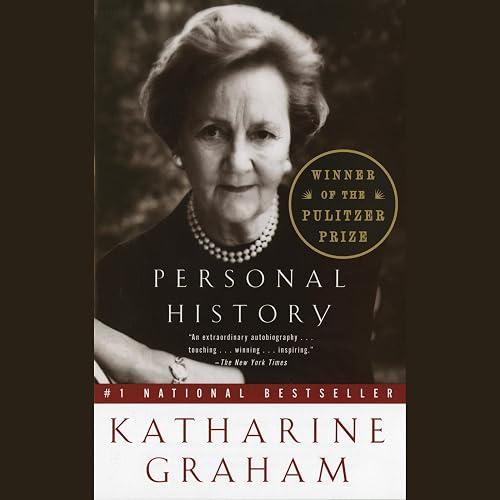
Book summary
by Katharine Graham
Premium summary · Opens in the app · 30 min read
Katharine Graham never expected to run The Washington Post. She was born into wealth, married a brilliant and charismatic man, and settled into the role of wife, mother, and hostess. The newspaper belonged to her father, then to her husband. It was their world, not hers. She supported from the sidelines, managing the household, raising the children, and quietly absorbing the belief that she was not quite smart enough, not quite capable enough, to lead.
**Author:** Katharine Graham
**Estimated Reading Time:** 45 minutes
**What You'll Learn:**
How a sheltered woman from a privileged background transformed herself into one of the most powerful figures in American journalism. You will learn how The Washington Post evolved from a struggling local paper into a national institution, how personal tragedy shaped public leadership, and how the values of editorial independence and integrity guided decisions that changed American history.
**Who This Book Is For:**
Readers interested in the inner workings of American journalism, the challenges women face in positions of power, the intersection of family and business, and the personal costs of public leadership. This book is for anyone who has ever doubted their own capacity to rise to an unexpected challenge.
Katharine Graham never expected to run The Washington Post. She was born into wealth, married a brilliant and charismatic man, and settled into the role of wife, mother, and hostess. The newspaper belonged to her father, then to her husband. It was their world, not hers. She supported from the sidelines, managing the household, raising the children, and quietly absorbing the belief that she was not quite smart enough, not quite capable enough, to lead. Then, in 1963, her husband Phil Graham walked into a bathroom on their Virginia farm and shot himself. He had been struggling with severe mental illness for years, cycling through manic highs and devastating depressions. His death left Katharine with four children to raise and a newspaper to run. She was fifty years old and had never managed anything larger than a dinner party. What happened next defied every expectation she had of herself. She took control of The Washington Post Company and, over the next three decades, transformed it from a modest regional paper into one of the most influential news organizations in the world. She hired Ben Bradlee as executive editor. She took the company public. She defended the paper through the Pentagon Papers case and stood firm during Watergate, when the Nixon administration threatened the company's television licenses and her personal safety. She became, against every internal voice that told her she could not, one of the most respected publishers in American history. Her memoir, Personal History, is not a victory lap. It is a candid, often painful examination of a life shaped by privilege, insecurity, tragedy, and eventual self-discovery. Graham wrote the book herself, working with an editor and researcher, and the result won the Pulitzer Prize in 1998. It remains one of the finest memoirs ever written about American journalism, power, and the slow, difficult process of becoming oneself. The book matters because it operates on two levels. On the surface, it is a history of The Washington…
Continue reading in the MinuteRead app
Get the complete 30-minute summary of Personal History
Get the complete summary in the app**Act before you feel ready.** Confidence comes from action, not from preparation. Graham did not feel ready to run The
**Editorial independence requires economic independence.** A newspaper that cannot pay its bills cannot afford to take r
**Hire talented people and trust them.** Graham did not micromanage. She set direction and gave her team the freedom to
**Values guide decisions when outcomes are uncertain.** Graham did not know how the Pentagon Papers case would end. She
**Leadership is about acting despite fear, not in the absence of it.** Graham was afraid throughout her career. She acte
**Mental illness is a medical condition, not a moral failing.** Phil Graham's illness was untreated for years, with deva
"Personal History" is a strong fit if you want practical ideas around biography, memoir, autobiography, especially themes like **act before you feel ready.** confidence comes from action, not from preparation. graham did not feel ready to run the; **editorial independence requires economic independence.** a newspaper that cannot pay its bills cannot afford to take r. The MinuteRead summary distills these concepts into a focused read, whether you're deciding whether to buy the book or applying its lessons at work.
Motivated to help readers with "If I've succeeded at all, Katharine Graham wrote “Personal History” to package those ideas for a fast, focused read. In “Personal History”, Katharine Graham focuses on "If I've succeeded at all. Through “Personal History”, Katharine Graham distills the core ideas on biography into lessons readers can absorb in a single short sitting. Readers turn to this work when they want Katharine Graham's perspective on the subject without working through the entire original v…
Continue Reading
Access the complete 30-minute summary and thousands more nonfiction books in the MinuteRead app.

Continue reading the complete summary in the MinuteRead app.