 MinuteRead
30 min
Book summary
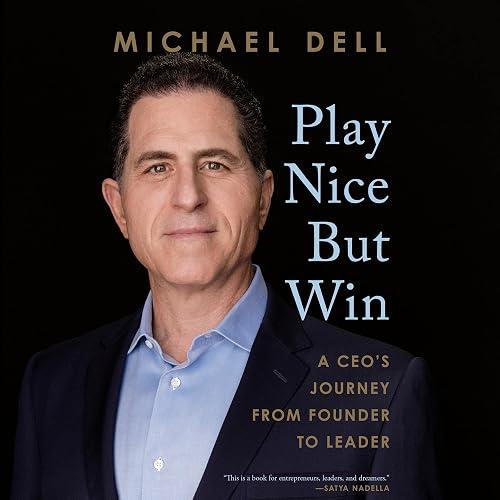
by Michael Dell
Premium summary · Opens in the app · 30 min read
In 1984, a nineteen-year-old freshman at the University of Texas at Austin started selling upgraded personal computers from his dorm room. He had $1,000 in capital, no business training, and a simple observation: the companies selling computers were making terrible margins while customers paid too much for machines that were often outdated before they left the warehouse. The teenager's name was Michael Dell, and the company he founded would eventually employ over 100,000 people, generate tens of
**Author:** Michael Dell **Estimated Reading Time:** 45 minutes
**What You'll Learn:** - How a teenager with $1,000 built one of the world's most valuable technology companies - Why Michael Dell took his company private in the largest leveraged buyout since the financial crisis - The decision-making framework that resolves complex questions in 30 days - How to compete fiercely while maintaining integrity - Why buying market leaders beats chasing bargains - The leadership philosophy that survived booms, busts, and a $67 billion merger
**Who This Book Is For:** Entrepreneurs wrestling with growth, executives navigating transformation, investors seeking to understand what makes companies durable, and anyone who wants to learn how a founder thinks about competition, risk, and reinvention over four decades.
In 1984, a nineteen-year-old freshman at the University of Texas at Austin started selling upgraded personal computers from his dorm room. He had $1,000 in capital, no business training, and a simple observation: the companies selling computers were making terrible margins while customers paid too much for machines that were often outdated before they left the warehouse. The teenager's name was Michael Dell, and the company he founded would eventually employ over 100,000 people, generate tens of billions in annual revenue, and complete the largest technology acquisition in history. But this book is not a simple rags-to-riches story. It is the story of a company that nearly died multiple times, a founder who had to learn brutal lessons about leadership, and a philosophy of competition that sounds almost contradictory: play nice, but win. The problem Michael Dell identified in 1984 was structural. The personal computer industry operated on a model built for a different era. Manufacturers built machines based on forecasts, shipped them to retailers, and hoped customers would buy them. When forecasts were wrong, which was often, companies were stuck with warehouses full of rapidly depreciating inventory. Customers paid a premium for this inefficiency. Dell saw a better way: build each machine only after a customer ordered it, sell directly, and pass the savings along. That insight launched a revolution. By 1992, Dell Computer Corporation was the fastest-growing company in America. By 2001, it was the world's largest PC maker. But the story nearly ended in disaster more than once. A growth-at-all-costs culture produced a crisis in 1993 that forced Dell to fundamentally rethink how he ran the company. The dot-com crash exposed a workforce that had become loyal to stock options rather than mission. And by 2012, Wall Street had written off Dell as a dinosaur in a post-PC world. What makes Michael Dell's story worth studying is not the success itself. It is the willingness to make decisions that looked insane at the time but proved…
Continue reading in the MinuteRead app
Get the complete 30-minute summary of Play Nice But Win
Get the complete summary in the appPlay nice but win. Compete fiercely while maintaining integrity. The two are complementary, not contradictory.
Cut the middleman. The closer you are to your customers, the better your decisions will be.
Growth is not a strategy. Liquidity and profitability come first. Growth follows.
Hire people who know what you don't. Never be the smartest person in the room.
Buy the number one, not the cheaper number six. Market leadership is the moat that compounds.
Decide complex questions in 30 days. Separate facts from opinions, list alternatives, choose, and commit.
"Play Nice But Win" is a strong fit if you want practical ideas around business, biography, memoir, especially themes like play nice but win. compete fiercely while maintaining integrity. the two are complementary, not contradictory; cut the middleman. the closer you are to your customers, the better your decisions will be. The MinuteRead summary distills these concepts into a focused read, whether you're deciding whether to buy the book or applying its lessons at work.
Motivated to help readers with 1) Take the company private to escape Wall Street's quarterly tyranny 2) "Play nice but win" became the, Michael Dell wrote “Play Nice But Win” to package those ideas for a fast, focused read. In “Play Nice But Win”, Michael Dell focuses on 1) Take the company private to escape Wall Street's quarterly tyranny 2) "Play nice but win" became the. Through “Play Nice But Win”, Michael Dell distills the core ideas on business into lessons readers can absorb in a single s…
Continue Reading
Access the complete 30-minute summary and thousands more nonfiction books in the MinuteRead app.

Continue reading the complete summary in the MinuteRead app.






