MinuteRead
30 min
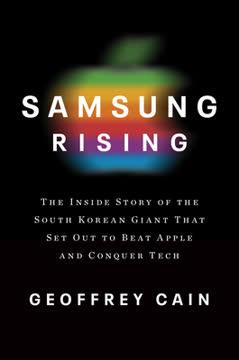
In 1938, a man named Lee Byung-chul opened a small trading company in the city of Daegu, in what was then Japanese-occupied Korea. He sold dried fish, vegetables, and fruit. The company had forty employees and modest ambitions. Its name was Samsung, which means "three stars" in Korean. The name suggested something vast, something luminous, something eternal.
**Author:** Geoffrey Cain **Estimated Reading Time:** 45 minutes
**What You'll Learn:**
The extraordinary story of how a small Korean trading company became one of the most powerful technology empires in history. You will discover the cultural forces, strategic gambles, leadership decisions, and near-catastrophic failures that shaped Samsung's rise. More importantly, you will understand the deeper questions this story raises about power, family, ambition, and the price of relentless success.
**Who This Book Is For:**
Anyone fascinated by technology, business strategy, corporate culture, or modern Asian history. This book is for readers who want to understand not just what Samsung did, but why it did it, and what its story reveals about the nature of competition, innovation, and institutional power in the twenty-first century.
In 1938, a man named Lee Byung-chul opened a small trading company in the city of Daegu, in what was then Japanese-occupied Korea. He sold dried fish, vegetables, and fruit. The company had forty employees and modest ambitions. Its name was Samsung, which means "three stars" in Korean. The name suggested something vast, something luminous, something eternal. Eighty years later, Samsung is one of the most powerful corporations on earth. It builds the screens that display the world's information. It manufactures the chips that power the digital age. It produces more smartphones than any other company. It constructs skyscrapers, operates hospitals, builds ships, and designs military equipment. In South Korea, Samsung is so dominant that people joke the country should be called the Republic of Samsung. The company accounts for a staggering share of the nation's GDP. Its chairman has been described as more powerful than the president. How did this happen? How did a small grocery trading firm become a global technology titan? The answer is not simply a story of smart business decisions and innovative products. It is a story of ambition, obsession, political entanglement, and cultural transformation. It is a story about a family that treated a corporation as a dynasty. It is a story about a country that bet its future on industrialization and won, but at a cost that is still being counted. Geoffrey Cain spent years investigating Samsung from the inside. He interviewed former executives, engineers, designers, and factory workers. He examined court documents, internal memos, and corporate histories. What he found was a company unlike any other in the world. Samsung operates with a military-like discipline that would be unthinkable in most Western corporations. Its leaders embrace a perpetual crisis mentality, constantly warning that the company is on the verge of collapse even when it is posting record profits. Its culture demands absolute loyalty and personal sacrifice. Its relationship with the Korean government is so intertwined that it is impossible…
Continue reading in the MinuteRead app
Get the complete 30-minute summary of Samsung Rising
Get the complete summary in the appSamsung's rise from a small trading company to a global technology titan was the result of specific historical condition
The partnership between the Korean government and the chaebol was crucial to Samsung's early growth.
Samsung's semiconductor gamble in the 1980s transformed the company and established a pattern of bold, long-term investm
The design revolution of the 1990s turned Samsung from a budget brand into a premium brand.
The Samsung-Apple rivalry defined the smartphone era and drove rapid innovation.
The Galaxy Note 7 disaster exposed weaknesses in Samsung's quality control and crisis management.
"Samsung Rising" is a strong fit if you want practical ideas around business, technology, history, especially themes like samsung's rise from a small trading company to a global technology titan was the result of specific historical condition; the partnership between the korean government and the chaebol was crucial to samsung's early growth. The MinuteRead summary distills these concepts into a focused read, whether you're deciding whether to buy the book or applying its lessons at work.
Geoffrey Cain is an accomplished investigative journalist and technology writer with extensive experience reporting from Asia and the Middle East. His work has appeared in prestigious publications like the Economist, Time, and the Wall Street Journal. Cain's debut book, Samsung Rising, was longlisted for the Financial Times and McKinsey Business Book of the Year award. A Fulbright scholar, he studied at the School of Oriental and African Studies in London and George Washington University. Cain i…
View all summaries by Geoffrey CainContinue Reading
Access the complete 30-minute summary and thousands more nonfiction books in the MinuteRead app.

Continue reading the complete summary in the MinuteRead app.