 MinuteRead
30 min
Book summary
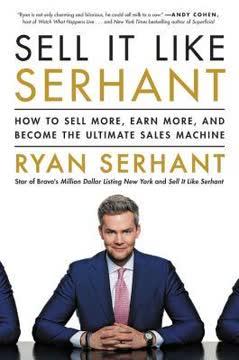
by Ryan Serhant
Premium summary · Opens in the app · 30 min read
Ryan Serhant almost quit real estate before he ever really started. He was a young actor in New York City, struggling to book roles, when he got his real estate license as a backup plan. He thought it would be a simple way to pay the bills while he waited for his big break. Instead, he found himself in one of the most competitive markets in the world, surrounded by experienced agents who knew exactly what they were doing. He had no clients, no connections, and no idea how to sell anything.
**Author:** Ryan Serhant **Estimated Reading Time:** 42 minutes
How to build a sales career that thrives on relentless energy, systematic follow-up, emotional intelligence, and an unshakeable sense of purpose. You will learn how to juggle multiple opportunities without dropping any, how to understand the emotional journey every buyer takes, how to organize your work so nothing falls through the cracks, and how to develop the resilience required to succeed in any competitive field.
Anyone who sells anything. Whether you are a real estate agent closing million-dollar deals, a freelancer pitching clients, an entrepreneur building a business, or an employee selling ideas inside your organization, the principles in this book apply to you. If you have ever struggled with rejection, felt overwhelmed by your workload, or wondered why some salespeople seem to close deals effortlessly while you struggle, this book will give you the tools to change that.
Ryan Serhant almost quit real estate before he ever really started. He was a young actor in New York City, struggling to book roles, when he got his real estate license as a backup plan. He thought it would be a simple way to pay the bills while he waited for his big break. Instead, he found himself in one of the most competitive markets in the world, surrounded by experienced agents who knew exactly what they were doing. He had no clients, no connections, and no idea how to sell anything. His first year was brutal. He made almost no money. He watched other agents close deals while he sat at his desk, making cold calls that went nowhere. He considered quitting more times than he could count. But something kept him going. He started paying attention to what the successful agents were doing differently. He noticed that they were not necessarily smarter or more talented than everyone else. They were simply more organized, more persistent, and more willing to put themselves out there. Serhant began experimenting with his own approach. He developed systems for managing his time, his leads, and his energy. He learned how to follow up without being annoying. He discovered that the emotional journey of a sale was predictable, and that understanding that journey gave him an advantage. Slowly, his results started to change. Deals began to close. Clients started referring him to their friends. Within a few years, he had become one of the top real estate agents in New York City. This book is the distillation of everything Serhant learned along the way. It is not a theoretical guide to sales. It is a practical playbook built from real experience in one of the toughest markets on earth. Serhant does not pretend that sales is easy.…
Continue reading in the MinuteRead app
Get the complete 30-minute summary of Sell It Like Serhant
Get the complete summary in the appKeep multiple opportunities in play at all times. It takes no more energy to manage six deals than one.
Follow up consistently. Most sales require multiple touches before they close.
Understand the emotional journey of a sale. Buyers go through predictable stages, and you can guide them through each on
Use the FKD method to balance finding new business, managing your finances, and serving clients.
Define your Why, Work, Wall, and Win. Specific motivation is more powerful than vague goals.
Find the story in what you are selling and tell it compellingly.
"Sell It Like Serhant" is a strong fit if you want practical ideas around business, self help, money, especially themes like keep multiple opportunities in play at all times. it takes no more energy to manage six deals than one; follow up consistently. most sales require multiple touches before they close. The MinuteRead summary distills these concepts into a focused read, whether you're deciding whether to buy the book or applying its lessons at work.
Ryan Serhant is a successful real estate broker, television personality, and author. He rose to fame as a star of Bravo's "Million Dollar Listing New York" and has since built a thriving real estate empire. Serhant's background includes overcoming shyness and struggling as a novice agent before developing his unique sales approach. He is known for his charismatic personality, relentless work ethic, and innovative marketing strategies. Serhant's success in the competitive New York real estate mar…
View all summaries by Ryan SerhantContinue Reading
Access the complete 30-minute summary and thousands more nonfiction books in the MinuteRead app.

Continue reading the complete summary in the MinuteRead app.






