 MinuteRead
30 min
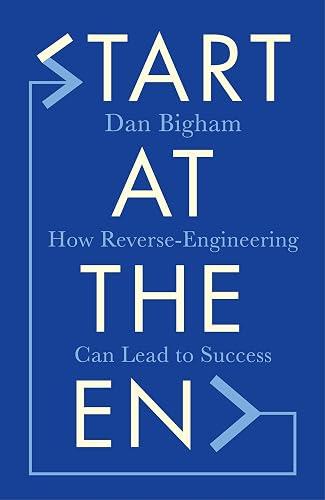
Book summary
by Dan Bigham
Premium summary · Opens in the app · 30 min read
In 1954, Roger Bannister did something the medical community had declared impossible. He ran a mile in under four minutes. For decades, the four-minute barrier had stood as a wall separating human effort from human potential. Physiologists argued the human heart could not sustain the required pace. Runners had tried and failed. The barrier seemed absolute.
**Author:** Dan Bigham
**Estimated Reading Time:** 45 minutes
**What You'll Learn:**
- How to reverse engineer ambitious goals into achievable steps - Why first principles thinking beats conventional wisdom - How to measure what matters and ignore what doesn't - How to build teams that outperform better-resourced rivals - How to sustain excellence after initial success
**Who This Book Is For:**
Anyone who wants to achieve something difficult. Whether you're an athlete, entrepreneur, manager, or someone pursuing a personal goal, this book provides a practical framework for turning audacious ambitions into reality. It's for people who suspect there's a better way to do things and are willing to question the status quo.
In 1954, Roger Bannister did something the medical community had declared impossible. He ran a mile in under four minutes. For decades, the four-minute barrier had stood as a wall separating human effort from human potential. Physiologists argued the human heart could not sustain the required pace. Runners had tried and failed. The barrier seemed absolute. Then Bannister broke it. What happened next is instructive. Within forty-six days, John Landy broke the record again. Within a year, three more runners had done it. The barrier wasn't physical. It was psychological. Once someone proved it could be done, the impossible became merely difficult. Dan Bigham has spent his career chasing moments like this. As a track cyclist and performance engineer, he has repeatedly done what conventional wisdom said couldn't be done. He led a team of amateur cyclists to beat professional national teams. He broke world records. He redesigned equipment and training methods from first principles. And he did it not by working harder than everyone else, but by thinking differently. This book is about that thinking. The central problem Bigham addresses is simple: most people and most organizations pursue goals using methods they've inherited rather than methods they've chosen. They follow established practices, accept conventional limitations, and measure themselves against existing benchmarks. They work within the system instead of questioning the system itself. Bigham's approach is different. He starts at the end. He identifies the outcome he wants, then works backwards to determine what would need to be true for that outcome to happen. He breaks down problems into their fundamental components, questions every assumption, and rebuilds solutions from scratch. This is not a theoretical exercise. It's a practical methodology that has produced extraordinary results in one of the most competitive sports in the world. The story begins in 2017, when Bigham and a group of friends decided to form a track cycling team. They had no funding, no professional support, and no reason to believe they could compete with national teams backed by millions of pounds and…
Continue reading in the MinuteRead app
Get the complete 30-minute summary of Start at the End
Get the complete summary in the appStart with the outcome you want, then work backwards to determine what you need to do.
Set ambitious, specific, measurable goals that stretch beyond your comfort zone.
Break problems down to their fundamental components and rebuild from first principles.
Assess your resources honestly and design your strategy around your unique strengths.
Measure what matters, not what's easy to measure. Use data to inform decisions.
Build a supportive environment where people feel safe to take risks and share ideas.
"Start at the End" is a strong fit if you want practical ideas around business, self help, sports, especially themes like start with the outcome you want, then work backwards to determine what you need to do; set ambitious, specific, measurable goals that stretch beyond your comfort zone. The MinuteRead summary distills these concepts into a focused read, whether you're deciding whether to buy the book or applying its lessons at work.
Motivated to help readers with i often used to think about Roger Bannister's world record when I was studying, Dan Bigham wrote “Start at the End” to package those ideas for a fast, focused read. In “Start at the End”, Dan Bigham focuses on i often used to think about Roger Bannister's world record when I was studying. Through “Start at the End”, Dan Bigham distills the core ideas on business into lessons readers can absorb in a single short sitting. Readers turn to this work when they want Dan …
Continue Reading
Access the complete 30-minute summary and thousands more nonfiction books in the MinuteRead app.

Continue reading the complete summary in the MinuteRead app.






