 MinuteRead
30 min
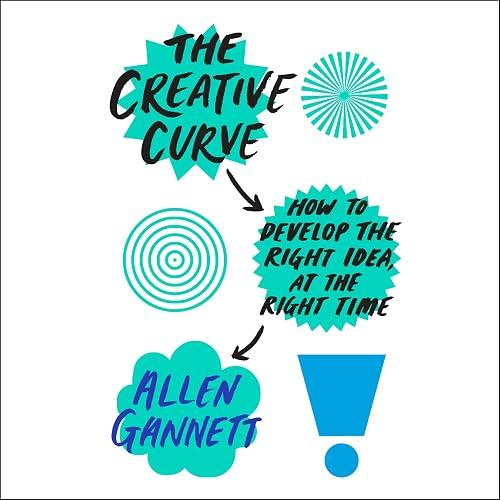
Book summary
by Allen Gannett
Premium summary · Opens in the app · 30 min read
The story of creativity has been told the same way for centuries. A genius sits alone in a room, struck by a bolt of lightning from the heavens. The idea arrives fully formed, mysterious and magical. The world is forever changed.
**Author:** Allen Gannett
**Estimated Reading Time:** 45 minutes
**What You'll Learn:**
- Why the "lone genius" theory of creativity is wrong - The science behind why some creative works succeed while others fail - How to systematically develop ideas that resonate with audiences - The four types of people every creative needs in their corner - A practical framework for turning creative work into commercial success
**Who This Book Is For:**
Anyone who has ever believed they weren't creative enough. Entrepreneurs developing products. Writers, musicians, and artists seeking to reach wider audiences. Marketers and business leaders who need to innovate reliably. Anyone tired of waiting for inspiration to strike and ready to understand what actually drives creative success.
The story of creativity has been told the same way for centuries. A genius sits alone in a room, struck by a bolt of lightning from the heavens. The idea arrives fully formed, mysterious and magical. The world is forever changed. We have heard this story about Steve Jobs envisioning the iPhone. About J.K. Rowling dreaming up Harry Potter on a delayed train. About Mozart composing symphonies in his head without ever touching an instrument. These stories feel good. They make creativity seem like a gift bestowed upon a lucky few. They also happen to be largely wrong. Allen Gannett spent years studying the people behind some of the most successful creative works of our time. He interviewed founders of billion-dollar companies, Grammy-winning musicians, bestselling authors, and acclaimed filmmakers. What he discovered contradicted nearly everything popular culture teaches about creativity. The people behind these successes were not waiting for inspiration. They were not relying on mysterious flashes of insight. They were following patterns. They had developed systems. They understood something about how audiences respond to new ideas that most people never learn. The problem with the inspiration myth is not just that it is inaccurate. The problem is that it is harmful. It convinces talented people that they lack something essential. It makes creativity seem like a lottery ticket rather than a skill that can be developed. It gives successful creatives an excuse to be mysterious about their methods, and it gives everyone else an excuse not to try. Gannett's research revealed something far more hopeful. Creativity is not magic. It is a process. And like any process, it can be understood, practiced, and improved. The central insight of this book is deceptively simple. People like things that feel familiar. But people also crave novelty. The most successful creative works, whether songs, books, products, or businesses, exist at the sweet spot between these two forces. They are familiar enough to feel accessible and novel enough to feel exciting. Gannett calls this the…
Continue reading in the MinuteRead app
Get the complete 30-minute summary of The Creative Curve
Get the complete summary in the appCreativity is a process, not a gift. Anyone can learn to create work that resonates.
The creative curve is the sweet spot between familiarity and novelty. Find it and you find success.
Spend 20 percent of your waking hours consuming material in your field. Intense consumption builds intuition.
Imitation is the foundation of originality. Learn the rules before you break them.
Build a creative community with four roles: master teacher, conflicting collaborator, modern muse, and prominent promote
Use data-driven iteration. Generate ideas, test them, gather feedback, and refine.
"The Creative Curve" is a strong fit if you want practical ideas around business, creativity, self help, especially themes like creativity is a process, not a gift. anyone can learn to create work that resonates; the creative curve is the sweet spot between familiarity and novelty. find it and you find success. The MinuteRead summary distills these concepts into a focused read, whether you're deciding whether to buy the book or applying its lessons at work.
Motivated to help readers with 1) The Myth of Sudden Creative Inspiration 2) Understanding the Creative Curve: Balancing Familiarity and, Allen Gannett wrote “The Creative Curve” to package those ideas for a fast, focused read. In “The Creative Curve”, Allen Gannett focuses on 1) The Myth of Sudden Creative Inspiration 2) Understanding the Creative Curve: Balancing Familiarity and. Through “The Creative Curve”, Allen Gannett distills the core ideas on business into lessons readers can absorb in …
Continue Reading
Access the complete 30-minute summary and thousands more nonfiction books in the MinuteRead app.

Continue reading the complete summary in the MinuteRead app.






