 MinuteRead
30 min
Book summary
by Darrell M. West
Premium summary · Opens in the app · 30 min read
"Robots, autonomous vehicles, virtual reality, artificial intelligence (AI), machine learning, drones, and the Internet of Things are moving ahead rapidly and transforming the way businesses operate and how people earn their livelihoods." Automation revolution.
**Author:** Darrell M. West
**Estimated Reading Time:** 42 minutes
**What You'll Learn:**
- Why robots, artificial intelligence, and intelligent machines are transforming every industry - Which jobs face the greatest risk of automation and which will survive - How the gig economy is rewriting the rules of employment - Why the social contract between workers, employers, and government must be rebuilt - What individuals, businesses, and policymakers can do to thrive amid disruption
**Who This Book Is For:**
Anyone who works, hires, invests, or votes. If you have ever wondered whether a machine will do your job, whether your business model will survive the next decade, or how society should respond to technological upheaval, this book provides the map you need.
The machines are not coming. They are already here. Walk into an Amazon fulfillment center and you will see robots gliding across the floor, retrieving shelves of merchandise and delivering them to human packers. Visit a modern factory in China and you will find robotic arms assembling electronics with precision no human hand can match. Call your bank and you may speak with a virtual assistant that understands your request and resolves your issue without ever involving a person. Drive on a highway in California and you might pass a car steering itself. Darrell M. West wrote this book because he recognized that something fundamental has shifted in the relationship between technology and work. Throughout history, new machines have replaced old jobs. The mechanical loom displaced hand weavers. The automobile put blacksmiths out of business. The personal computer eliminated typing pools. But each wave of innovation also created new categories of work. New industries emerged. New skills became valuable. The economy adapted. This time may be different. The difference lies in the nature of the technologies now emerging. Previous machines replaced human muscle. The steam engine did the work of a thousand horses. The electric motor did the work of a thousand hands. But the human mind still directed the work. People still decided what to produce, how to produce it, and who should receive it. People still provided the judgment, the creativity, the empathy, and the adaptability that machines lacked. Artificial intelligence changes that equation. For the first time in history, machines are beginning to perform cognitive tasks. They can read documents, analyze data, recognize patterns, make predictions, and communicate with humans in natural language. They can learn from experience and improve their performance over time. They can do things that were once the exclusive domain of educated professionals. This is why West argues that we face not just another wave of technological change but a fundamental transformation in how work is organized, compensated, and valued. The implications…
Continue reading in the MinuteRead app
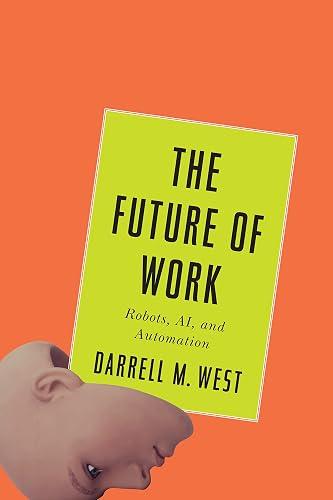
Get the complete 30-minute summary of The Future of Work
Get the complete summary in the appIntelligent machines are transforming work by performing cognitive tasks that were once uniquely human.
The jobs most vulnerable to automation involve routine, predictable tasks in structured environments.
Automation does not usually eliminate jobs entirely. It changes the nature of jobs and reduces the number of workers nee
The gig economy is eroding the traditional employment relationship and shifting risks from employers to workers.
A new social contract is needed to provide security and support for workers in the digital economy.
Lifelong learning is essential because skills acquired early in life quickly become obsolete.
"The Future of Work" is a strong fit if you want practical ideas around business, technology, economics, especially themes like intelligent machines are transforming work by performing cognitive tasks that were once uniquely human; the jobs most vulnerable to automation involve routine, predictable tasks in structured environments. The MinuteRead summary distills these concepts into a focused read, whether you're deciding whether to buy the book or applying its lessons at work.
Motivated to help readers with "Robots, Darrell M. West wrote “The Future of Work” to package those ideas for a fast, focused read. In “The Future of Work”, Darrell M. West focuses on "Robots. Through “The Future of Work”, Darrell M. West distills the core ideas on business into lessons readers can absorb in a single short sitting. Readers turn to this work when they want Darrell M. West's perspective on the subject without working through the entire original volume. Darrell M. West wrote “The F…
Continue Reading
Access the complete 30-minute summary and thousands more nonfiction books in the MinuteRead app.

Continue reading the complete summary in the MinuteRead app.






