 MinuteRead
Loading…
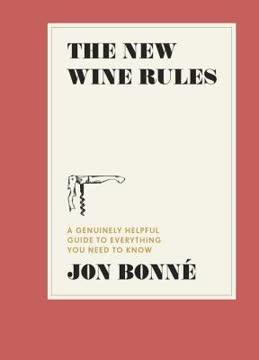
Wine has a problem. For centuries, it has been wrapped in layers of ceremony, hierarchy, and exclusion. Generations of drinkers learned that wine appreciation meant memorizing classifications, deferring to experts, and spending more money than seemed reasonable. The result is a culture where many people feel they need permission to enjoy what is in their glass.
**Author:** Jon Bonné
**Estimated Reading Time:** 45 minutes
**What You'll Learn:**
- Why the old rules of wine are obsolete and what replaced them - How to find remarkable wines without spending a fortune - The essential vocabulary and tasting techniques that actually matter - How to store, serve, and age wine without pretense - How to pair wine with food in ways that actually work - How to navigate restaurant wine lists with confidence - Why the most exciting wines today come from unexpected places
**Who This Book Is For:**
This book is for anyone who enjoys wine but feels weighed down by its baggage. If you have ever felt intimidated ordering a bottle at a restaurant, confused by wine terminology, or unsure whether you are drinking the "right" thing, this book will liberate you. It is also for experienced drinkers who sense that the old hierarchies of wine no longer reflect what is actually happening in vineyards and cellars around the world.
Wine has a problem. For centuries, it has been wrapped in layers of ceremony, hierarchy, and exclusion. Generations of drinkers learned that wine appreciation meant memorizing classifications, deferring to experts, and spending more money than seemed reasonable. The result is a culture where many people feel they need permission to enjoy what is in their glass. Jon Bonné believes this is backwards. The world of wine has undergone a quiet revolution over the past two decades. Winemakers across the globe have rejected the idea that only certain regions, certain grapes, and certain techniques deserve respect. They have revived forgotten traditions, planted unusual varieties, and questioned assumptions that had gone unchallenged for generations. The result is the most diverse and exciting wine landscape in history. Yet most wine advice has not caught up. It still speaks of wine as a fixed hierarchy with France at the top and everything else arranged below. It still assumes that price correlates with quality. It still treats pairing as a rigid science with right and wrong answers. Bonné wrote this book to close that gap. His argument is simple: the old rules were never really rules at all. They were conventions, habits, and marketing strategies dressed up as wisdom. Many of them were wrong from the start. Others made sense in a particular time and place but have outlived their usefulness. Consider the rule that red wine goes with meat and white wine goes with fish. This pairing advice emerged from a specific culinary context, one where French cuisine dominated fine dining and most fish was prepared simply. It was never a universal law. Today, a delicate red like a chilled Beaujolais can be perfect with grilled salmon, while a full-bodied…
Continue reading in the MinuteRead app
Get the complete 30-minute summary of The New Wine Rules
Get the complete summary in the appDrink the rainbow. Explore the full spectrum of wine styles, grapes, and regions.
Price does not equal quality. Seek value in unexpected places.
Acidity is the most important quality in wine. Learn to taste it.
Most wines are meant to be drunk young. Do not cellar everything.
Sulfites are not the enemy. Stop worrying about them.
Screw caps are fine. They provide a better seal than cork.
"The New Wine Rules" is a strong fit if you want practical ideas around wine, food, food and drink, especially themes like drink the rainbow. explore the full spectrum of wine styles, grapes, and regions; price does not equal quality. seek value in unexpected places. The MinuteRead summary distills these concepts into a focused read, whether you're deciding whether to buy the book or applying its lessons at work.
Jon Bonné is a renowned wine critic with over 15 years of professional experience. He served as the wine editor and chief critic for the San Francisco Chronicle for nearly a decade, overseeing the only U.S. newspaper with a dedicated wine section. Bonné has authored multiple books on wine, including "The New California Wine," which documented the state's wine renaissance. His expertise is complemented by a down-to-earth approach, making wine accessible to enthusiasts of all levels.
View all summaries by Jon BonneContinue Reading
Access the complete 30-minute summary and thousands more nonfiction books in the MinuteRead app.

Continue reading the complete summary in the MinuteRead app.