MinuteRead
30 min
Book summary
by Jim Wilder
Premium summary · Opens in the app · 30 min read
Imagine two people sitting in the same church service, hearing the same sermon, studying the same Bible passages. One emerges with a life marked by patience, kindness, and genuine love. The other remains anxious, relationally clumsy, and spiritually stagnant despite decades of faithful attendance. What explains the difference?
**By Jim Wilder**
**Estimated Reading Time:** 45 minutes
**What You'll Learn:** Why so much Christian discipleship fails to produce genuine character change, how the brain's two hemispheres shape spiritual growth in fundamentally different ways, why joy is not optional but essential fuel for transformation, and how to build church communities that actually change people from the inside out.
**Who This Book Is For:** Christians frustrated by the gap between what they know and who they are, pastors and ministry leaders sensing that something is missing in their discipleship models, and anyone who has ever wondered why more Bible study and more sermons haven't produced the deep transformation they long for.
Imagine two people sitting in the same church service, hearing the same sermon, studying the same Bible passages. One emerges with a life marked by patience, kindness, and genuine love. The other remains anxious, relationally clumsy, and spiritually stagnant despite decades of faithful attendance. What explains the difference? Jim Wilder spent years asking this question. As a theologian trained in brain science, he noticed something that most churches miss entirely. The discipleship models we have inherited focus almost exclusively on what the left hemisphere of the brain does well: learning facts, analyzing doctrine, developing strategies, and mastering verbal content. But character formation, emotional health, relational capacity, and identity transformation happen primarily through the right hemisphere. The result is what Wilder calls half-brained Christianity. Churches pour enormous energy into teaching truth while neglecting the relational and emotional systems that make truth actually change people. The outcome is predictable. Congregations full of people who can articulate sound doctrine but whose anxiety levels, relational patterns, and emotional maturity look no different from the surrounding culture. This book is not about rejecting theology or abandoning teaching. It is about restoring what has been missing. Wilder draws on decades of research in neuroscience, attachment theory, and spiritual formation to show how joy, secure relationships, group identity, and healthy correction work together to shape character at the deepest level. His argument is both simple and revolutionary. God designed our brains to grow through joy-filled relationships, and when churches neglect this design, they inadvertently block the very transformation they seek. The problem is urgent. When churches fail to engage the right hemisphere's relational capacities, they become vulnerable to a host of dysfunctions. Narcissistic leaders rise to prominence. Shame runs unchecked. People learn to perform Christianity rather than embody it. The gap between stated beliefs and lived character widens into a chasm that damages both individuals and communities. Wilder's approach offers something different. By understanding how the brain actually works, churches can redesign their practices to engage the whole person. This is not about chasing cultural relevance or…
Continue reading in the MinuteRead app
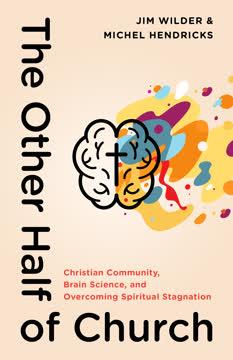
Get the complete 30-minute summary of The Other Half of Church
Get the complete summary in the appSpiritual growth requires engaging both hemispheres of the brain. Left-hemisphere teaching alone cannot produce characte
Joy is the essential fuel for brain development and character formation. It is not optional. It is foundational.
The right hemisphere learns through relational experience. You cannot think your way into character change. You must exp
Hesed, steadfast covenant love, creates the safety required for transformation. Without it, people hide their struggles
Group identity shapes behavior more powerfully than individual willpower. Build Christ-centered identity rather than rel
Healthy correction affirms identity while addressing behavior. It is a gift, not a punishment.
"The Other Half of Church" is a strong fit if you want practical ideas around christian, faith, church, especially themes like spiritual growth requires engaging both hemispheres of the brain. left-hemisphere teaching alone cannot produce characte; joy is the essential fuel for brain development and character formation. it is not optional. it is foundational. The MinuteRead summary distills these concepts into a focused read, whether you're deciding whether to buy the book or applying its lessons at work.
Jim Wilder is a neurotheologian and author who specializes in the intersection of brain science and spiritual formation. He is known for developing the Life Model, which emphasizes whole-brain Christianity and relational discipleship. Wilder's work focuses on integrating neuroscience findings with biblical principles to promote emotional and spiritual growth. He has written several books on the subject and is a sought-after speaker and trainer. Wilder's approach aims to address the perceived sho…
View all summaries by Jim WilderContinue Reading
Access the complete 30-minute summary and thousands more nonfiction books in the MinuteRead app.

Continue reading the complete summary in the MinuteRead app.