MinuteRead
5 min
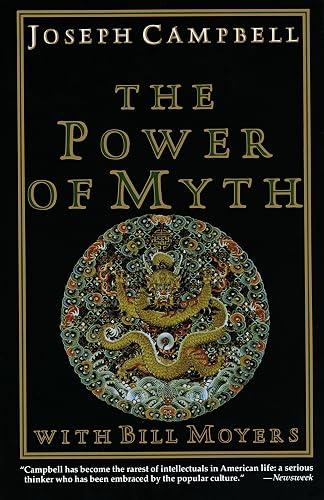
The Power Of Myth is a book based on Joseph Campbell and Bill Moyer’s popular 1988 documentary of the same name, explaining where myths come from, why they are so common in society, how they’ve evolved, and what important role they still play in our ever-changing world today.
The Power Of Myth is a book based on Joseph Campbell and Bill Moyer’s popular 1988 documentary of the same name, explaining where myths come from, why they are so common in society, how they’ve evolved, and what important role they still play in our ever-changing world today.
Myths play an essential part in defining and preserving a community’s identity. A lot of myths do this by explaining how the beginning of life or a culture began. This helps form a group identity and makes it different from other groups.
The religious concept some churches believe that they are the “chosen people” comes from myth. People who believe this think that they have been chosen by God and they have the only truth. Religious myths like this foster a connection among group members and act as a boundary separating them from other belief systems.
Where do myths begin? They tend to revolve around the geographical place from where they emerge. For instance, god is different in different cultures. In some cultures such as the Incas of South America, they believe in the sun god Inti. In Native American tribes, their “first mother” usually centered around vegetation.
Myths can also change and adapt over time. For instance, when the Spanish brought horses to North America, tribes could more easily hunt buffalo. This resulted in a bigger emphasis on buffalo in their mythology.
Another benefit of myths is that they give us a framework for life. They help us comprehend or handle significant life stages like birth, adulthood, and death. Myths can help us take the step from one stage to the next, even when the transition is confusing or scary. For example, getting married is a big change in a person’s life. All cultures have marriage myths, usually including something about one person completing another spiritually. This is where we get the metaphors of “other half” and “soul mate.” These refer to the notion that our partner fills a missing part of our soul, giving comfort during this new stage of life. Myths can also be abstract, in which case many cultures turn to rituals as concrete ways for people to achieve what is expected of them. In Australian Aboriginal culture, boys drink blood to represent their passage as becoming a man. This is a symbol that they are leaving behind their mother’s milk and they are now hunters. In modern day, we don’t lean on ritual as much. But we still do have things like them to help us understand our new roles in society. For example, there is a ritual when enlisting in an army. When new recruits arrive, they take an oath and receive a uniform. At this…
Continue reading in the MinuteRead app
Get the complete 5-minute summary of The Power Of Myth
Get the complete summary in the appMyths give people a common identity, unite people within communities, and identify the beginnings of cultures.
The legends that society passes down serve as a framework for how to think and act throughout all of life’s major steps.
You can make better sense of life, appreciate it more, and prepare for death all thanks to the power of myth.
"The Power Of Myth" is a strong fit if you want practical ideas around creativity, culture, history, especially themes like myths give people a common identity, unite people within communities, and identify the beginnings of cultures; the legends that society passes down serve as a framework for how to think and act throughout all of life’s major steps. The MinuteRead summary distills these concepts into a focused read, whether you're deciding whether to buy the book or applying its lessons at work.
Joseph Campbell (1904–1987) was an American author and teacher best known for his work in the field of comparative mythology. He was born in New York City in 1904, and from early childhood he became interested in mythology. He loved to read books about American Indian cultures, and frequently visited the American Museum of Natural History in New York, where he was fascinated by the museum's collection of totem poles. Campbell was educated at Columbia University, where he specialized in medieval …
View all summaries by Joseph CampbellContinue Reading
Access the complete 5-minute summary and thousands more nonfiction books in the MinuteRead app.

Continue reading the complete summary in the MinuteRead app.