MinuteRead
30 min
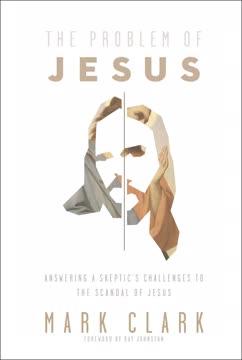
Book summary
by Mark Clark
Premium summary · Opens in the app · 30 min read
Most people have an opinion about Jesus. He is admired as a moral teacher, dismissed as a myth, embraced as a savior, or ignored as an irrelevance. But few people genuinely grapple with the problem he presents. The problem is not that Jesus is obscure or poorly documented. The problem is that when you look closely at what he actually said and did, you cannot remain neutral. He forces a decision.
**Author:** Mark Clark **Estimated Reading Time:** 2 hours 15 minutes
**What You'll Learn:** Why Jesus of Nazareth remains the most confounding, compelling, and consequential figure in human history. You will explore the historical evidence for his life, the staggering implications of his claims, the subversive nature of his teachings, and why his death and reported resurrection demand a verdict from every person who encounters his story.
**Who This Book Is For:** This book is for the skeptic who suspects there is more to the story, the believer who has never fully examined the foundations of their faith, and anyone who senses that Jesus cannot be dismissed as merely a good teacher or a mythologized legend. If you have ever wondered what makes this ancient figure so enduringly significant, this book will give you a clear and honest look at the evidence and the challenge he presents.
Most people have an opinion about Jesus. He is admired as a moral teacher, dismissed as a myth, embraced as a savior, or ignored as an irrelevance. But few people genuinely grapple with the problem he presents. The problem is not that Jesus is obscure or poorly documented. The problem is that when you look closely at what he actually said and did, you cannot remain neutral. He forces a decision. Mark Clark wrote this book because he recognized that many people, both inside and outside the church, have never truly confronted the historical Jesus. They have inherited a cultural version of him. A stained-glass figure who offers gentle advice and asks little in return. A mascot for whatever cause or political position they already hold. But the Jesus who emerges from the earliest historical sources is something else entirely. He is provocative, demanding, and unsettling. He makes claims that would be absurd if they were not true and world-altering if they are. The difficulty is that Jesus does not fit neatly into our categories. He is too radical for the religious establishment and too exclusive for the relativistic culture. He speaks of love and forgiveness in ways that are breathtakingly generous, then turns around and demands total allegiance. He welcomes outcasts and sinners, yet tells respectable people they are in grave danger. He offers rest, then calls his followers to take up an instrument of execution and follow him to a death of self-denial. This book exists because the real Jesus is far more interesting, more challenging, and more compelling than the domesticated versions we create. Clark walks through the historical evidence, the philosophical implications, and the personal cost of taking Jesus seriously. He does not ask the reader to check their brain at the door. He invites questions, examines sources, and follows…
Continue reading in the MinuteRead app
Get the complete 30-minute summary of The Problem of Jesus
Get the complete summary in the appJesus claimed to be God through his words, his actions, and his acceptance of worship.
The historical evidence for Jesus' life, death, and resurrection is robust and early.
The parables reveal a God of extravagant mercy and a kingdom that overturns expectations.
The miracles were signs pointing to the arrival of God's kingdom and the restoration of creation.
The cross was a purposeful sacrifice to atone for sin and reconcile humanity to God.
The resurrection is a historical event that validates Jesus' claims and founds Christian hope.
"The Problem of Jesus" is a strong fit if you want practical ideas around christian, christianity, religion, especially themes like jesus claimed to be god through his words, his actions, and his acceptance of worship; the historical evidence for jesus' life, death, and resurrection is robust and early. The MinuteRead summary distills these concepts into a focused read, whether you're deciding whether to buy the book or applying its lessons at work.
Mark Clark is a pastor and author known for his work in Christian apologetics. He gained recognition for his previous book, "The Problem of God," which addressed common questions about faith. Clark's writing style is often compared to that of Lee Strobel and Timothy Keller, making complex theological concepts accessible to a general audience. He draws on historical evidence, scientific insights, and personal experiences to support his arguments. Clark's background as a former agnostic informs hi…
View all summaries by Mark ClarkContinue Reading
Access the complete 30-minute summary and thousands more nonfiction books in the MinuteRead app.

Continue reading the complete summary in the MinuteRead app.