MinuteRead
30 min
Book summary
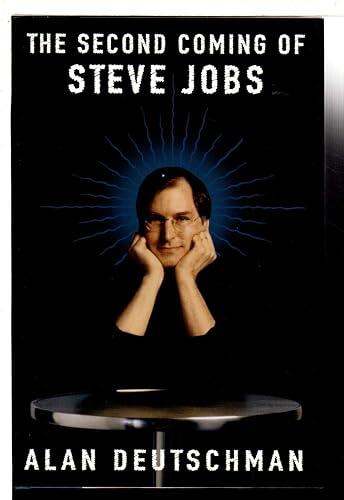
by Alan Deutschman
Premium summary · Opens in the app · 30 min read
In the mid-1990s, Steve Jobs was widely considered finished. He had been fired from Apple, the company he co-founded, nearly a decade earlier. His new company, NeXT, had failed to find a market for its expensive computers. He was pouring his personal fortune into Pixar, a computer graphics company that had burned through money for years without producing a single profitable product. Business magazines wrote about him as a cautionary tale. He was the brilliant founder who couldn't sustain success
**Author:** Alan Deutschman **Estimated Reading Time:** 42 minutes
**What You'll Learn:** - How Steve Jobs rebuilt himself after being exiled from Apple - The untold story of Pixar's near-death experience and miraculous turnaround - The leadership methods that inspired brilliance and provoked fear - How the iMac saved Apple from bankruptcy - The personal relationships and rivalries that shaped Jobs' journey
**Who This Book Is For:** Entrepreneurs who have faced failure and wonder if they can rise again. Leaders who want to understand the difference between demanding excellence and destroying morale. Anyone fascinated by the intersection of creativity, technology, and business. Readers who want to understand the man behind the myth before the iPhone made him untouchable.
In the mid-1990s, Steve Jobs was widely considered finished. He had been fired from Apple, the company he co-founded, nearly a decade earlier. His new company, NeXT, had failed to find a market for its expensive computers. He was pouring his personal fortune into Pixar, a computer graphics company that had burned through money for years without producing a single profitable product. Business magazines wrote about him as a cautionary tale. He was the brilliant founder who couldn't sustain success, the visionary who couldn't manage a company, the man who had been humiliated by the very board he had helped assemble. Then, within the span of a few years, everything changed. Pixar released Toy Story, the first fully computer-animated feature film, which became a global phenomenon. Apple, desperate and floundering, acquired NeXT and brought Jobs back as an advisor. Within months, he orchestrated a boardroom coup and became interim CEO. Within a year, he had streamlined Apple's chaotic product line, introduced the iMac, and returned the company to profitability. By the turn of the millennium, Jobs had transformed from a has-been into one of the most powerful figures in both Silicon Valley and Hollywood. Alan Deutschman's book captures this extraordinary period of reinvention. It is not a hagiography. It does not pretend that Jobs was easy to work with or that his methods were always justified. Instead, it presents a nuanced portrait of a man who combined visionary brilliance with personal cruelty, who could inspire extraordinary loyalty and profound resentment in the same breath, and who somehow managed to learn just enough from his failures to achieve unprecedented success. The central question the book explores is simple but profound: How did Steve Jobs do it? How did a man who had been publicly humiliated, financially diminished, and professionally marginalized manage to stage one of the greatest comebacks in business history? The answer is not simple. It involves luck, timing, and the loyalty of a small circle of true believers. It involves Jobs' willingness…
Continue reading in the MinuteRead app
Get the complete 30-minute summary of The Second Coming of Steve Jobs
Get the complete summary in the appFailure can be transformative. Jobs' wilderness years taught him lessons that made his second act possible.
Focus is essential. Saying no is more important than saying yes.
Design matters. Beauty is a competitive advantage, not a superficial concern.
Trust creative people. Jobs learned at Pixar that his role was to support the vision of others.
The reality distortion field is a double-edged sword. It enables extraordinary achievements while causing real harm.
Survival sometimes requires unpopular decisions. The Microsoft deal was a tactical retreat, not a surrender.
"The Second Coming of Steve Jobs" is a strong fit if you want practical ideas around biography, business, technology, especially themes like failure can be transformative. jobs' wilderness years taught him lessons that made his second act possible; focus is essential. saying no is more important than saying yes. The MinuteRead summary distills these concepts into a focused read, whether you're deciding whether to buy the book or applying its lessons at work.
Motivated to help readers with "Steve Jobs was one of the most enduring symbols of his generation, Alan Deutschman wrote “The Second Coming of Steve Jobs” to package those ideas for a fast, focused read. In “The Second Coming of Steve Jobs”, Alan Deutschman focuses on "Steve Jobs was one of the most enduring symbols of his generation. Through “The Second Coming of Steve Jobs”, Alan Deutschman distills the core ideas on biography into lessons readers can absorb in a single short sitting. Readers …
Continue Reading
Access the complete 30-minute summary and thousands more nonfiction books in the MinuteRead app.

Continue reading the complete summary in the MinuteRead app.