 MinuteRead
30 min
Book summary
Premium summary · Opens in the app · 30 min read
Napoleon Hill spent twenty years of his life on a single assignment. In 1908, as a young journalist, he interviewed Andrew Carnegie, then one of the wealthiest men in the world. Carnegie believed that the formula for success could be identified, studied, and taught. He challenged Hill to undertake the work of discovering that formula, not by theorizing but by interviewing the most accomplished men and women of the era.
**Author:** Napoleon Hill
**Estimated Reading Time:** 45 minutes
**What You'll Learn:** How to harness the power of a Master Mind alliance, define a definite chief aim, cultivate the mental faculties that drive achievement, and apply the principles that Napoleon Hill spent decades studying among the world's most successful people.
**Who This Book Is For:** Anyone who wants to understand the foundational principles of personal achievement, build lasting wealth, develop leadership capacity, and create a systematic approach to turning desire into reality.
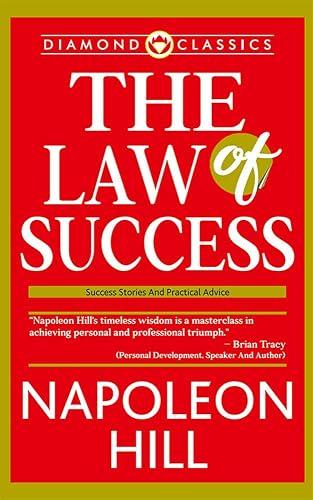
Napoleon Hill spent twenty years of his life on a single assignment. In 1908, as a young journalist, he interviewed Andrew Carnegie, then one of the wealthiest men in the world. Carnegie believed that the formula for success could be identified, studied, and taught. He challenged Hill to undertake the work of discovering that formula, not by theorizing but by interviewing the most accomplished men and women of the era. Hill accepted. Over the following two decades, he interviewed hundreds of successful people, including Henry Ford, Thomas Edison, Alexander Graham Bell, John D. Rockefeller, and many others. He studied their habits, their thinking patterns, their approaches to failure, and their methods of building wealth and influence. What emerged from this research was not a collection of random tips but a coherent philosophy of achievement. The central discovery was simple yet profound. Success does not happen by accident. It follows predictable principles that anyone can learn and apply. The people who achieve extraordinary results do not possess some magical gift denied to others. They simply understand and consistently apply certain laws of thought and action that most people never learn. This condensed edition brings together the essential teachings from Hill's two most important works: The Law of Success, originally published as a sixteen-lesson course in 1928, and Think and Grow Rich, published in 1937. Together, these books form the most influential body of success literature ever written. They have shaped the thinking of millions of readers and influenced generations of entrepreneurs, leaders, and high achievers. The problem Hill addressed remains as relevant today as it was a century ago. Most people drift through life without a clear purpose. They react to circumstances rather than shaping them. They allow fear, doubt, and indecision to govern their choices. They work hard but without direction, hoping that effort alone will eventually produce results. And they wonder why success remains elusive. Hill's approach was different because he focused not on tactics but on mental foundations. He understood that external circumstances are largely the result of internal conditions. The way a person thinks determines the way they act. The way they act determines the results they achieve. Therefore, lasting success requires a transformation of thought…
Continue reading in the MinuteRead app
Get the complete 30-minute summary of Think and Grow Rich and The Law of Success In Sixteen Lessons
Get the complete summary in the appDefine your definite chief aim in writing, with a deadline and a plan.
Build a Master Mind alliance of people who share your goals and complement your skills.
Develop self-confidence through small victories and positive self-talk.
Save consistently, even if the amount is small.
Take initiative and lead by example.
Exercise your imagination through visualization and creative practice.
"Think and Grow Rich and The Law of Success In Sixteen Lessons" is a strong fit if you want practical ideas around business, self help, personal development, especially themes like define your definite chief aim in writing, with a deadline and a plan; build a master mind alliance of people who share your goals and complement your skills. The MinuteRead summary distills these concepts into a focused read, whether you're deciding whether to buy the book or applying its lessons at work.
Napoleon Hill was an American self-help author known for his bestselling book Think and Grow Rich. Born in 1883, Hill claimed to have interviewed successful businessmen like Andrew Carnegie, developing principles for achieving success. His works emphasize the power of positive thinking and goal-setting. However, Hill's credibility has been questioned, with accusations of fraud and doubts about his claimed accomplishments. Modern historians dispute many of his assertions, including his meeting wi…
View all summaries by Napoleon HillContinue Reading
Access the complete 30-minute summary and thousands more nonfiction books in the MinuteRead app.

Continue reading the complete summary in the MinuteRead app.






