MinuteRead
30 min
Book summary
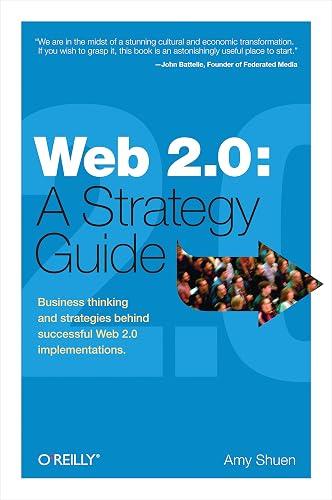
by Amy Shuen
Premium summary · Opens in the app · 30 min read
The first internet boom ended badly. Between 1995 and 2000, investors poured billions into dot-com companies built on little more than a domain name and a business plan. The collapse was spectacular. By 2001, most of those companies were gone, and the conventional wisdom declared that the internet had been overhyped.
**Author:** Amy Shuen **Estimated Reading Time:** 45 minutes
**What You'll Learn:**
How user-generated content transforms business models, why network effects create winner-take-most markets, and how companies like Flickr, LinkedIn, and Google built billion-dollar ecosystems by giving away value for free. You will learn the strategic frameworks behind freemium pricing, API-driven innovation, and collaborative business models that define the Web 2.0 era.
**Who This Book Is For:**
Entrepreneurs building digital products, executives navigating digital transformation, product managers designing platform strategies, investors evaluating technology companies, and anyone who wants to understand the economic logic behind the internet's most successful businesses.
The first internet boom ended badly. Between 1995 and 2000, investors poured billions into dot-com companies built on little more than a domain name and a business plan. The collapse was spectacular. By 2001, most of those companies were gone, and the conventional wisdom declared that the internet had been overhyped. But something strange happened in the years that followed. A new generation of companies emerged from the ashes, and they did not look like their predecessors. They were not trying to sell pet food online or create digital versions of physical stores. They were building platforms where users created the content, shared it freely, and connected with each other in ways that had never been possible before. This was Web 2.0, and it changed everything. Amy Shuen wrote this book to explain the strategic logic behind this transformation. She saw that the companies succeeding in this new era were not simply better-funded or better-marketed versions of the old dot-coms. They were playing an entirely different game, one with new rules, new economics, and new sources of competitive advantage. The old internet was about publishing. Companies created content and pushed it out to passive consumers. The new internet is about participation. Users generate the photos, the reviews, the connections, the recommendations, and the conversations that make platforms valuable. The company's job is not to create content but to build the infrastructure that enables users to create value for each other. This shift has profound implications for business strategy. When users create the value, the economics of scale change dramatically. A photo-sharing site does not need to hire photographers. A social network does not need to create content to attract users. A marketplace does not need to own inventory. The platform simply needs to facilitate interactions, and the users do the rest. But this creates a paradox. If users create the value, how does the company capture any of it? The answer lies in understanding network effects, freemium models, and the subtle art of building platforms that become more valuable as more people use them. Shuen's book is not a technical manual. It…
Continue reading in the MinuteRead app
Get the complete 30-minute summary of Web 2.0
Get the complete summary in the appUsers create the value. Your job is to enable and capture it.
Network effects are the engine of growth. Reach critical mass in a niche before expanding.
Give away the basic service for free. Charge for premium features that power users value.
A small percentage of users drive most of the engagement. Find and empower them.
Adaptability beats static resources. Build the ability to sense, seize, and transform.
Collaborate to innovate. Combine your assets with partners' capabilities to create new value.
"Web 2.0" is a strong fit if you want practical ideas around business, technology, economics, especially themes like users create the value. your job is to enable and capture it; network effects are the engine of growth. reach critical mass in a niche before expanding. The MinuteRead summary distills these concepts into a focused read, whether you're deciding whether to buy the book or applying its lessons at work.
Motivated to help readers with "Flickr's friendly and easy-to-use web interface and its free photo-management and storage service are great, Amy Shuen wrote “Web 2.0” to package those ideas for a fast, focused read. In “Web 2.0”, Amy Shuen focuses on "Flickr's friendly and easy-to-use web interface and its free photo-management and storage service are great. Through “Web 2.0”, Amy Shuen distills the core ideas on business into lessons readers can absorb in a single short sitting. Readers turn to…
Continue Reading
Access the complete 30-minute summary and thousands more nonfiction books in the MinuteRead app.

Continue reading the complete summary in the MinuteRead app.