MinuteRead
30 min
In the early days of the web, measurement was simple. You counted hits. Then you counted page views. Then you counted visits. Each number seemed important, and each tool promised more of them. The result was predictable: organizations accumulated staggering amounts of data while understanding less and less about what any of it meant.
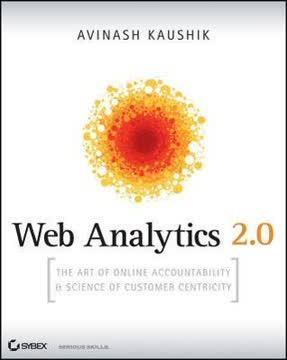
**Author:** Avinash Kaushik
**Estimated Reading Time:** 48 minutes
**What You'll Learn:**
* Why most web analytics programs fail despite having powerful tools * The five dimensions of Web Analytics 2.0 and how they work together * How to identify the critical few metrics that actually drive decisions * Why segmentation matters more than aggregate reporting * How to combine quantitative data with the voice of the customer * Practical frameworks for turning data into action
**Who This Book Is For:**
This book is for anyone who has ever stared at a web analytics report and wondered what to do next. It is for marketers drowning in data but starving for insights. It is for analysts who want their work to influence decisions instead of collecting dust. It is for executives who suspect their dashboards are showing them numbers without meaning. And it is for anyone who believes that the web should be measured not just for measurement's sake, but to create better experiences for real human beings.
In the early days of the web, measurement was simple. You counted hits. Then you counted page views. Then you counted visits. Each number seemed important, and each tool promised more of them. The result was predictable: organizations accumulated staggering amounts of data while understanding less and less about what any of it meant. This book exists because that problem has not gone away. It has gotten worse. The tools have become more powerful. The dashboards have become more colorful. The reports have become longer. Yet the fundamental question remains unanswered in most organizations: are we making better decisions because of our data? Avinash Kaushik wrote Web Analytics 2.0 to address a specific failure he observed across hundreds of companies. The failure was not technological. It was conceptual. Organizations had adopted sophisticated analytics tools while retaining a primitive understanding of what those tools were for. They were measuring clicks when they should have been measuring outcomes. They were reporting data when they should have been driving decisions. They were optimizing pages when they should have been improving experiences. The problem with traditional web analytics is that it answers the wrong questions. It tells you what happened on your website. It rarely tells you why it happened. It almost never tells you what to do about it. And it completely ignores the broader context in which your website operates: what your competitors are doing, what your customers are thinking, and what outcomes actually matter to your business. Kaushik's insight is that web analytics needs to evolve from a reporting function into a decision-making discipline. This requires a fundamental shift in how we think about measurement. Instead of asking what we can measure, we should…
Continue reading in the MinuteRead app
Get the complete 30-minute summary of Web Analytics 2.0
Get the complete summary in the appWeb Analytics 2.0 combines quantitative and qualitative data from your website and the competition to drive continual im
Focus on three to four critical metrics that align with strategic objectives and drive action.
Segment your data to find patterns that aggregate data hides.
Track both macro conversions and the micro conversions that lead to them.
Test your assumptions. Intuition is unreliable.
Collect voice of customer data to understand why people do what they do.
"Web Analytics 2.0" is a strong fit if you want practical ideas around business, web, technology, especially themes like web analytics 2.0 combines quantitative and qualitative data from your website and the competition to drive continual im; focus on three to four critical metrics that align with strategic objectives and drive action. The MinuteRead summary distills these concepts into a focused read, whether you're deciding whether to buy the book or applying its lessons at work.
Avinash Kaushik is a renowned expert in web analytics and digital marketing. He is best known for his work in the field of data-driven decision-making and web analytics strategy. Kaushik is the author of two bestselling books on web analytics and is a frequent speaker at industry conferences. He maintains a popular blog called Occam's Razor, where he shares insights and advice on web analytics and digital marketing. Kaushik is also a Digital Marketing Evangelist for Google and teaches web analyt…
View all summaries by Avinash KaushikContinue Reading
Access the complete 30-minute summary and thousands more nonfiction books in the MinuteRead app.

Continue reading the complete summary in the MinuteRead app.