MinuteRead
30 min
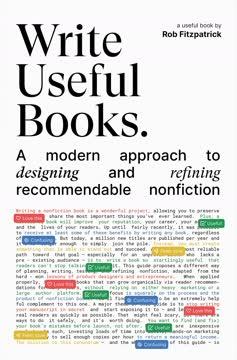
Most nonfiction books fail quietly. They launch to modest sales, receive a handful of polite reviews, and then disappear into the vast catalog of titles that nobody recommends. The author moves on, perhaps blaming marketing, timing, or luck. But the real problem is usually much simpler: the book was never designed to be useful.
**Author:** Rob Fitzpatrick
**Estimated Reading Time:** 45 minutes
**What You'll Learn:**
- Why most nonfiction books fail to earn recommendations - How to design a book around a specific, solvable problem - The two types of reader conversations that save you months of wasted writing - How to structure your book so readers feel compelled to finish it - A practical system for beta reading that actually improves your manuscript - How to market your book without feeling sleazy or overwhelmed - Why piracy can become an unexpected asset
**Who This Book Is For:**
Aspiring nonfiction authors who want their work to genuinely help readers. Experienced authors frustrated by books that launch well but fade quickly. Entrepreneurs, coaches, consultants, and experts who want to write a book that builds their business. Anyone who believes a book should solve a problem rather than simply exist.
Most nonfiction books fail quietly. They launch to modest sales, receive a handful of polite reviews, and then disappear into the vast catalog of titles that nobody recommends. The author moves on, perhaps blaming marketing, timing, or luck. But the real problem is usually much simpler: the book was never designed to be useful. Rob Fitzpatrick wrote Write Useful Books to address a persistent gap in how authors approach nonfiction. He noticed that most writing advice focuses on craft, voice, and storytelling. These matter, but they miss a more fundamental question: does this book solve a problem that someone urgently wants solved? Fitzpatrick came to this realization through his own experience. His first book, The Mom Test, became a quiet bestseller not because of a massive marketing campaign but because it solved a specific, painful problem for entrepreneurs: how to talk to customers and get honest feedback. Readers recommended it to friends, colleagues, and strangers on the internet. The book grew through word of mouth for years. It still does. This pattern fascinated him. Why do some books earn recommendations while others, equally well-written, fade away? The answer, he discovered, has little to do with prose quality and everything to do with design. A book that solves a clear problem for a specific reader becomes recommendable. A book that merely informs or entertains becomes forgettable. The challenge for most authors is that they start from the wrong place. They begin with an idea, a topic, or a personal story they want to share. They write the book they want to write, then hope readers will find it valuable. This approach occasionally works, but it is unreliable. The alternative is to start with the reader's problem and work backward. What does your ideal reader struggle with? What outcome do they want? What obstacles stand in their way?…
Continue reading in the MinuteRead app
Get the complete 30-minute summary of Write Useful Books
Get the complete summary in the appDesign your book as a problem-solver for a specific audience with a specific need.
Put your book's promise in the title or subtitle.
Test your concept and table of contents with potential readers before writing.
Front-load value so readers get a useful insight in the first chapter.
Use beta readers to refine your manuscript through multiple short cycles.
Aim for 500 to 1,000 seed readers before relying on organic growth.
"Write Useful Books" is a strong fit if you want practical ideas around writing, business, self help, especially themes like design your book as a problem-solver for a specific audience with a specific need; put your book's promise in the title or subtitle. The MinuteRead summary distills these concepts into a focused read, whether you're deciding whether to buy the book or applying its lessons at work.
Rob Fitzpatrick is an experienced author and entrepreneur known for his practical approach to writing and business. He has written multiple successful books, including "The Mom Test" and "Write Useful Books," which have garnered praise for their actionable advice and reader-centric focus. Fitzpatrick emphasizes the importance of understanding audience needs and creating valuable content. He has developed tools and communities to support aspiring authors in their writing journey. His writing styl…
View all summaries by Rob FitzpatrickContinue Reading
Access the complete 30-minute summary and thousands more nonfiction books in the MinuteRead app.

Continue reading the complete summary in the MinuteRead app.