MinuteRead
30 min
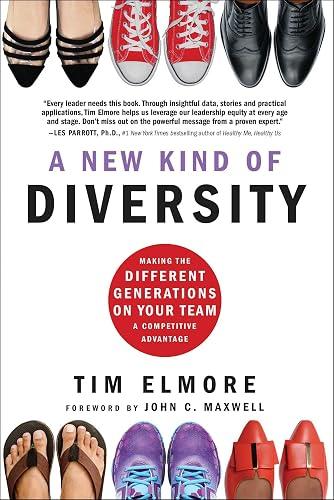
Book summary
by Tim Elmore
Premium summary · Opens in the app · 30 min read
In the early 1960s, the phrase "generation gap" entered the American vocabulary. It described the chasm between parents who had survived the Great Depression and World War II and their children who were coming of age during the civil rights movement, the Vietnam War, and the rise of rock and roll. The gap was real, but it was manageable. Families still ate dinner together. Workplaces still operated under relatively uniform expectations. People from different generations still shared enough commo
**Author:** Tim Elmore
**Estimated Reading Time:** 45 minutes
**What You'll Learn:**
- Why generational differences function like cross-cultural differences - The unique strengths and perspectives each generation brings to the table - Practical strategies for building bridges across generational divides - How to lead with flexibility while holding firm to core values - Why reverse mentoring benefits everyone involved - How to develop the social intelligence required for multigenerational leadership
**Who This Book Is For:**
This book is for leaders who manage teams spanning multiple generations. It is for young professionals struggling to understand older colleagues. It is for seasoned veterans frustrated by the habits and expectations of younger coworkers. It is for anyone who has ever felt that working with someone from another generation feels like navigating a foreign culture. If you have ever walked away from a conversation thinking, "We just don't speak the same language," this book will help you understand why, and more importantly, what to do about it.
In the early 1960s, the phrase "generation gap" entered the American vocabulary. It described the chasm between parents who had survived the Great Depression and World War II and their children who were coming of age during the civil rights movement, the Vietnam War, and the rise of rock and roll. The gap was real, but it was manageable. Families still ate dinner together. Workplaces still operated under relatively uniform expectations. People from different generations still shared enough common cultural reference points to communicate effectively. That world no longer exists. Today, the gap between generations has widened into something closer to a canyon. A Baby Boomer who grew up with three television channels and a rotary phone now manages a Generation Z employee who has never known a world without smartphones and social media. A Generation X professional who remembers life before the internet now collaborates with Millennials who cannot imagine functioning without constant connectivity. The differences extend far beyond technology. They touch values, communication styles, definitions of work ethic, expectations about feedback, attitudes toward authority, and fundamental assumptions about what work should mean in a person's life. Tim Elmore makes a provocative claim in this book: interactions among people from differing generations can resemble a cross-cultural relationship. This is not hyperbole. When you work with someone from another generation, you are engaging with someone who was shaped by different historical events, different economic conditions, different technological realities, and different cultural norms. They speak a different language, even when they use the same words. They operate from different assumptions, even when they pursue similar goals. They interpret the world through a different lens, even when they look at the same facts. The problem is that most of…
Continue reading in the MinuteRead app
Get the complete 30-minute summary of A New Kind of Diversity
Get the complete summary in the appGenerational differences are cultural differences, not just age differences.
Each generation was shaped by distinct historical events and technological shifts.
Every generation brings unique strengths to the table.
Building bridges across generational divides requires intentional effort.
Distinguish between preferences, expectations, and requirements.
Reverse mentoring benefits everyone involved.
"A New Kind of Diversity" is a strong fit if you want practical ideas around leadership, business, management, especially themes like generational differences are cultural differences, not just age differences; each generation was shaped by distinct historical events and technological shifts. The MinuteRead summary distills these concepts into a focused read, whether you're deciding whether to buy the book or applying its lessons at work.
Motivated to help readers with interactions among people from differing generations can resemble a cross-cultural relationship, Tim Elmore wrote “A New Kind of Diversity” to package those ideas for a fast, focused read. In “A New Kind of Diversity”, Tim Elmore focuses on interactions among people from differing generations can resemble a cross-cultural relationship. Through “A New Kind of Diversity”, Tim Elmore distills the core ideas on leadership into lessons readers can absorb in a single sho…
View all summaries by Tim ElmoreContinue Reading
Access the complete 30-minute summary and thousands more nonfiction books in the MinuteRead app.

Continue reading the complete summary in the MinuteRead app.