MinuteRead
30 min
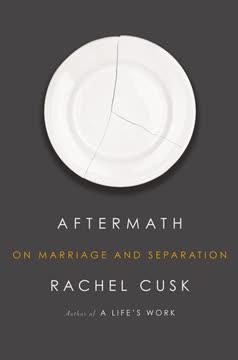
Book summary
by Rachel Cusk
Premium summary · Opens in the app · 30 min read
A marriage ends. The event itself may arrive suddenly, like a car crash, or it may unfold over years, a slow erosion that finally gives way. Either way, the aftermath is its own distinct country. You did not choose to travel there. You do not speak the language. The maps you brought no longer correspond to the terrain.
### By Rachel Cusk
**Estimated Reading Time:** 45 minutes
**What You'll Learn**
How the end of a marriage dismantles identity, reshapes motherhood, and forces a reckoning with everything you believed about love, gender, and yourself. This book explores the raw territory between who you were in a relationship and who you become after it ends.
**Who This Book Is For**
Anyone who has experienced the dissolution of a long partnership. Anyone navigating divorce while raising children. Anyone who senses that the stories we tell about marriage and separation rarely capture the true disorientation of living through them. And anyone interested in how personal catastrophe can become a site of unexpected clarity.
A marriage ends. The event itself may arrive suddenly, like a car crash, or it may unfold over years, a slow erosion that finally gives way. Either way, the aftermath is its own distinct country. You did not choose to travel there. You do not speak the language. The maps you brought no longer correspond to the terrain. Rachel Cusk wrote *Aftermath* in the wake of her own divorce, but this is not a book about what happened. It is not a chronology of grievances or a legal accounting. It is something rarer: an attempt to describe what it feels like when the organizing structure of your adult life collapses. The book exists because certain experiences resist straightforward narration. Divorce is one of them. We have cultural scripts for it. We have therapeutic frameworks. We have the language of recovery and resilience and moving on. But Cusk recognized that none of these captured the actual texture of the experience: the way time seemed to reverse, the way identity dissolved, the way motherhood became suddenly strange, the way the past kept rewriting itself in light of the present rupture. The problem she addresses is not how to survive divorce. It is how to think about it honestly. How to resist the pressure to transform chaos into a tidy story of growth. How to stay present to the confusion long enough to learn something from it. This matters because most of us will face some version of this upheaval. Even those who never divorce will encounter moments when the life they built no longer holds. A career ends. A belief system crumbles. A loved one dies. In each case, the question is the same: How do you live in the aftermath without pretending you are fine when you are not? Cusk's approach is different because she refuses consolation. She does not offer steps to healing or promises of a better future. Instead, she writes from inside the wreckage. She examines her own experience with the precision of a novelist and the…
Continue reading in the MinuteRead app
Get the complete 30-minute summary of Aftermath
Get the complete summary in the appDivorce is not a transition. It is an undoing. Expecting yourself to move on quickly is a form of violence against your
The disorientation you feel is not a sign of weakness. It is a sign that something real is happening.
Your children see what is happening more clearly than you think. Listen to them.
The old story has to end before a new one can begin. You cannot force this. It happens when it happens.
Some friends will disappear. The ones who stay are the ones who show up, not the ones who say the right things.
You are more than what happened to you. The desire to live is different from the desire to move on.
"Aftermath" is a strong fit if you want practical ideas around memoir, essays, feminism, especially themes like divorce is not a transition. it is an undoing. expecting yourself to move on quickly is a form of violence against your; the disorientation you feel is not a sign of weakness. it is a sign that something real is happening. The MinuteRead summary distills these concepts into a focused read, whether you're deciding whether to buy the book or applying its lessons at work.
Rachel Cusk is a Canadian-born British author known for her novels and memoirs. Born in Canada, she spent part of her childhood in Los Angeles before moving to England at age 8. Cusk studied English at Oxford University. She has authored seven novels and two memoirs, winning the Whitbread Award and receiving numerous nominations for prestigious literary prizes. Her novel Outline was shortlisted for the Folio Prize, Goldsmith's Prize, and Bailey's prize. Cusk was named one of Granta magazine's 20…
View all summaries by Rachel CuskContinue Reading
Access the complete 30-minute summary and thousands more nonfiction books in the MinuteRead app.

Continue reading the complete summary in the MinuteRead app.