MinuteRead
30 min
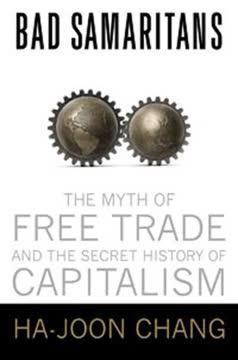
In the early 1960s, South Korea was one of the poorest countries in the world. Its per capita income was lower than that of Mozambique, Kenya, and most of sub-Saharan Africa. Foreign aid kept millions alive. The country exported tungsten ore, fish, and cheap wigs. Few observers expected anything remarkable.
**Author:** Ha-Joon Chang
**Estimated Reading Time:** 45 minutes
**What You'll Learn:**
- Why nearly every wealthy nation became rich by breaking the rules they now preach - How free trade, deregulation, and privatization often harm developing countries - What actually worked for countries that escaped poverty - How to think critically about economic advice from powerful institutions
**Who This Book Is For:**
Anyone who has wondered why some countries remain poor despite decades of aid and advice. Anyone curious about the real history of capitalism. Anyone who suspects that the rules of the global economy are not as fair as they appear.
In the early 1960s, South Korea was one of the poorest countries in the world. Its per capita income was lower than that of Mozambique, Kenya, and most of sub-Saharan Africa. Foreign aid kept millions alive. The country exported tungsten ore, fish, and cheap wigs. Few observers expected anything remarkable. Thirty years later, South Korea was an industrial powerhouse. Its companies produced ships, steel, automobiles, and semiconductors. By the 1990s, it had joined the club of wealthy nations. By the early 2000s, its per capita income rivaled that of several European countries. Ha-Joon Chang grew up in that transformation. His father was a government official involved in economic planning. His grandfather taught economics. As a young man, Chang watched his country defy nearly every piece of advice that development experts now give to poor nations. The dominant story about South Korea's success goes something like this. The country embraced free markets, opened its borders, welcomed foreign investment, and let entrepreneurs do their work. The government got out of the way. Prosperity followed. Chang says this story is false. South Korea did not develop through free trade. It protected its industries behind high tariffs. It did not welcome foreign investment with open arms. It restricted foreign ownership and forced foreign companies to share technology. It did not privatize everything. The government owned banks, steel mills, and utilities. It did not let the market decide. It picked industries, directed credit, and set production targets. In other words, South Korea became rich by doing almost everything that today's development orthodoxy forbids. This is not an anomaly. Chang argues that nearly every wealthy nation followed the same path. Britain protected its textile industry. The United States shielded its manufacturers behind high tariffs for over a century. Germany, France, Japan, and Taiwan all used state power to build industries that could not have survived free-market competition in their early years. Only after these countries became rich did they begin preaching free trade to the rest of the world. Chang calls this "kicking away the ladder." The rich countries climbed to prosperity using protectionism…
Continue reading in the MinuteRead app
Get the complete 30-minute summary of Bad Samaritans
Get the complete summary in the appEvery wealthy nation became rich through protectionism and state intervention, not free trade.
Free trade can destroy infant industries in poor countries before they have a chance to grow.
Foreign investment is beneficial only when it is strategically regulated.
State-owned enterprises can be world-class if they are well governed.
Strong intellectual property rights restrict the diffusion of knowledge and harm poor countries.
Culture is not destiny. Economic conditions shape culture, not the other way around.
"Bad Samaritans" is a strong fit if you want practical ideas around economics, politics, history, especially themes like every wealthy nation became rich through protectionism and state intervention, not free trade; free trade can destroy infant industries in poor countries before they have a chance to grow. The MinuteRead summary distills these concepts into a focused read, whether you're deciding whether to buy the book or applying its lessons at work.
Ha-Joon Chang is a prominent South Korean economist specializing in development economics. Born in 1963, he witnessed South Korea's transformation from poverty to prosperity, which greatly influenced his perspective on economic development. Chang is known for challenging mainstream economic theories, particularly neoliberal policies imposed on developing countries. He advocates for state intervention and strategic protectionism to foster economic growth. Currently a reader at the University of C…
View all summaries by Ha-Joon ChangContinue Reading
Access the complete 30-minute summary and thousands more nonfiction books in the MinuteRead app.

Continue reading the complete summary in the MinuteRead app.