 MinuteRead
30 min
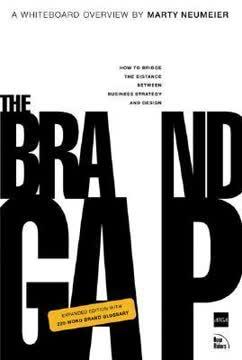
Most people think they know what a brand is. They point to a logo. They mention a tagline. They describe a color palette or a memorable advertising campaign. They treat branding as a cosmetic exercise, something applied at the end of product development like a coat of paint on a finished house.
**Author:** Marty Neumeier
**Estimated Reading Time:** 45 minutes
**What You'll Learn:** - Why a brand is not a logo, a name, or a marketing campaign - The five disciplines required to build a lasting brand - How to bridge the gap between strategy and creativity - Why differentiation is a survival requirement, not a luxury - How to turn your entire organization into a living brand
**Who This Book Is For:** This book is for business leaders, marketers, designers, entrepreneurs, and anyone who has ever wondered why some companies inspire fierce loyalty while others struggle to be remembered. If you are responsible for growing a business, shaping a reputation, or creating meaningful customer experiences, this book will give you a clear framework for thinking about brands in a fundamentally different way.
Most people think they know what a brand is. They point to a logo. They mention a tagline. They describe a color palette or a memorable advertising campaign. They treat branding as a cosmetic exercise, something applied at the end of product development like a coat of paint on a finished house. This understanding is not just incomplete. It is dangerous. The truth is that a brand is not what you say it is. A brand is what they say it is. It lives in the minds of customers, shaped by every interaction, every rumor, every experience, every moment of delight or disappointment. You do not own your brand. Your customers do. You can only influence it. Marty Neumeier wrote The Brand Gap to address a fundamental problem that plagues companies of every size and industry. The problem is the persistent disconnect between business strategy and creative execution. On one side sit the strategists: analytical, logical, focused on market share, competitive positioning, and financial returns. On the other side sit the creatives: intuitive, emotional, focused on design, storytelling, and human connection. These two groups often speak different languages, work in different departments, and pursue different goals. The result is a gap. When strategy and creativity fail to align, brands become confused. Messages contradict each other. Customer experiences fall short of promises. Marketing campaigns generate attention but not loyalty. Companies spend millions on advertising while their products and services fail to deliver anything worth remembering. Neumeier's insight is that this gap is not inevitable. It can be bridged. But bridging it requires a new way of thinking about brands, one that combines the rigor of business strategy with the magic of creative expression. It requires recognizing that branding is not a department or a deliverable. It is a discipline that must run through the entire organization. The stakes could not be higher. In a world of infinite choice and shrinking…
Continue reading in the MinuteRead app
Get the complete 30-minute summary of Brand Gap, The
Get the complete summary in the appA brand is a gut feeling, not a logo, name, or marketing campaign.
The brand gap is the disconnect between strategy and creativity. Bridge it by integrating both.
Differentiation is a survival requirement. Only one competitor can win on price.
Building a brand takes a village. Collaboration across departments and partners is essential.
Design ignites passion. Strategy provides direction, but design creates emotional connection.
Validate your ideas with customer feedback, but do not let research replace judgment.
"Brand Gap, The" is a strong fit if you want practical ideas around business, design, entrepreneurship, especially themes like a brand is a gut feeling, not a logo, name, or marketing campaign; the brand gap is the disconnect between strategy and creativity. bridge it by integrating both. The MinuteRead summary distills these concepts into a focused read, whether you're deciding whether to buy the book or applying its lessons at work.
Marty Neumeier is a renowned brand expert, designer, and author known for his work in brand strategy and design thinking. He has written several influential books on branding and innovation, including "The Brand Gap," "Zag," and "The Designful Company." Neumeier's expertise stems from his experience as a designer and creative director, working with major brands and agencies. He is recognized for his ability to simplify complex branding concepts and present them in visually engaging formats. Neum…
View all summaries by Marty NeumeierContinue Reading
Access the complete 30-minute summary and thousands more nonfiction books in the MinuteRead app.

Continue reading the complete summary in the MinuteRead app.






