 MinuteRead
30 min
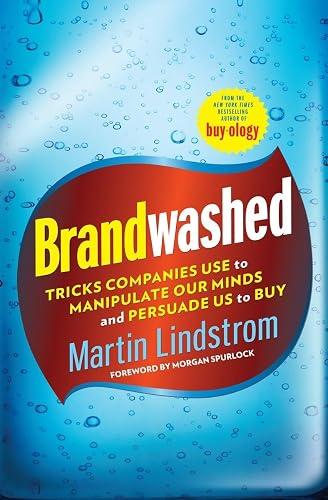
Brandwashed will help you make better buying decisions by identifying the psychological tools that marketers use to turn your own brain against you and make you think that you need to buy their products.
Brandwashed will help you make better buying decisions by identifying the psychological tools that marketers use to turn your own brain against you and make you think that you need to buy their products.
We’ve had fears since the times of our caveman ancestors. If they couldn’t become afraid, their chances of survival plummeted. They had to move fast when a threat came along, so now our brains do the same in the right circumstances.
The amygdala is the part of the brain that fear comes from. This survival-driven fear instinct is so powerful that it even has the ability to slow down the rational thinking parts of our brain. Companies know this, and they play on it frequently.
One security company aired a commercial that utilized this mechanism perfectly. While a mother is making dinner in the kitchen, her children play outside. But the mom doesn’t notice the man who is eerily watching the kids.
The scare-factor of this ad was enough to make people go out and purchase the company’s security devices. Alarm system sales shot up by 10%. People weren’t being rational about this though because the crime rate was actually going down!
Another way businesses us our fears against us is by exaggerating how afraid we are of becoming something we don’t want to. They can do this by making the issues we have to deal with seem much worse than they actually are.
The allergy spray Flonase, for example, once depicted a woman with allergies having to stay inside while a party is going on outdoors. Once she buys their product, though, she gets to enjoy being outside with her family and friends.
Many of us can’t live without our phones or favorite foods. You know all too well the feeling of leaving the house without your phone and feeling withdrawals bad enough that you have to go back for it. This is a classic symptom of an addiction. One study found out the extent of the effect that young Americans cell phone use has on their brains. When 18-25-year-old’s devices ring, the region of the brain associated with being in love lights up. In other words, you are in love with your phone, and it’s not by chance. Shopping, on the other hand, has these same effects but is also a little more sinister. The high we can get from making purchases releases dopamine, which gives a feeling of well-being. But this urges us to want more, so we spend more. It can be a difficult cycle to break. Food companies know this effect well, even if you don’t. That’s why they load their foods with unhealthy fats and sugars. You get the same…
Continue reading in the MinuteRead app
Get the complete 5-minute summary of Brandwashed
Get the complete summary in the appYou buy things we don’t need because stores know how to use our fears against you.
Addiction can happen to anyone, and companies know the process well and exploit it to get you to buy.
You make some purchases because of fake peer pressure that vendors create.
"Brandwashed" is a strong fit if you want practical ideas around business, culture, money, especially themes like you buy things we don’t need because stores know how to use our fears against you; addiction can happen to anyone, and companies know the process well and exploit it to get you to buy. The MinuteRead summary distills these concepts into a focused read, whether you're deciding whether to buy the book or applying its lessons at work.
Martin Lindstrom is the founder and chairman of Lindstrom Company, a global branding & culture transformation firm, operating across five continents and more than 30 countries. TIME Magazine has named Lindstrom one of the “World’s 100 Most Influential People,” and for five years running, Thinkers50, has selected Lindstrom to be among the world’s top 50 business thinkers. Among the companies he advises are Burger King, Lowes, Boar’s Head, Beverly Hills Hotels, Pepsi, Nestle and Google. Lindstro…
View all summaries by Martin LindstromContinue Reading
Access the complete 5-minute summary and thousands more nonfiction books in the MinuteRead app.

Continue reading the complete summary in the MinuteRead app.






