 MinuteRead
30 min
Book summary
by Dave Trott
Premium summary · Opens in the app · 30 min read
There is a peculiar assumption that creativity belongs to a special class of people. We imagine artists in paint-splattered studios, copywriters hunched over notepads in Soho agencies, musicians coaxing melodies from instruments in dimly lit rooms. We assume creativity is a rare gift, distributed sparingly at birth, and that the rest of us must simply admire it from a distance.
**Author:** Dave Trott
**Estimated Reading Time:** 48 minutes
**What You'll Learn:**
- Why creativity is not confined to art galleries and advertising agencies - How ordinary people solve extraordinary problems every day - The mental habits that blind us to creative opportunities - Practical ways to see the world with fresh eyes - How to apply creative thinking to business, communication, and daily life
**Who This Book Is For:**
Anyone who believes they are not creative. Anyone who works in advertising, marketing, design, or business and wants to break free from conventional thinking. Anyone who suspects that the best ideas are hiding in plain sight, waiting for someone to notice them.
There is a peculiar assumption that creativity belongs to a special class of people. We imagine artists in paint-splattered studios, copywriters hunched over notepads in Soho agencies, musicians coaxing melodies from instruments in dimly lit rooms. We assume creativity is a rare gift, distributed sparingly at birth, and that the rest of us must simply admire it from a distance. Dave Trott spent his career proving otherwise. Trott grew up in advertising, an industry that claims to own creativity. He founded multiple successful agencies, won countless awards, and received the D&AD President's Award for lifetime achievement. Yet after decades in the business, he arrived at a surprising conclusion. The most creative people he encountered were often not in advertising at all. They were street vendors, mechanics, soldiers, prisoners, farmers, and schoolchildren. They were ordinary people solving problems in extraordinary ways, usually without calling it creativity. The problem, Trott argues, is not that creativity is rare. The problem is that we have trained ourselves not to see it. We suffer from a condition he calls creative blindness. Creative blindness is the inability to recognize creative solutions when they appear outside expected contexts. It is the assumption that innovation must look a certain way, come from certain people, and follow certain rules. It is the habit of walking past brilliant ideas every day without noticing them. This blindness is not inevitable. It is learned. And what is learned can be unlearned. The advertising industry suffers from creative blindness more than most. Agencies spend fortunes on research, data, technology, and process. They hire people from the same universities, who read the same books, who attend the same conferences. They create work designed to impress other advertising professionals rather than connect with ordinary people. They chase awards instead of results. They mistake complexity for sophistication. Meanwhile, a street artist in Brazil turns potholes into cartoon characters and gets them fixed overnight. A farmer in rural England solves a drainage problem with a technique borrowed from Roman engineering. A prisoner trains abandoned dogs and…
Continue reading in the MinuteRead app
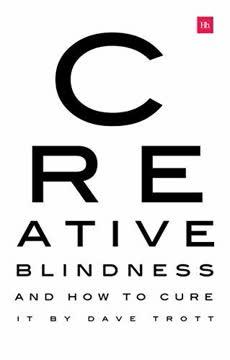
Get the complete 30-minute summary of Creative Blindness (And How To Cure It)
Get the complete summary in the appCreativity is everywhere. Stop looking for it in special places and start noticing it in everyday life.
Reframe problems. The way you define a problem determines the solutions you can see.
Speak your audience's language. Communication fails when you talk to yourself instead of your audience.
Impact is everything. If your message does not get attention, it does not matter how good it is.
Data is a tool, not a solution. Human judgment matters more than any algorithm.
Embrace discomfort. Real innovation is uncomfortable. If you are not uncomfortable, you are not doing anything new.
"Creative Blindness (And How To Cure It)" is a strong fit if you want practical ideas around business, creative, art, especially themes like creativity is everywhere. stop looking for it in special places and start noticing it in everyday life; reframe problems. the way you define a problem determines the solutions you can see. The MinuteRead summary distills these concepts into a focused read, whether you're deciding whether to buy the book or applying its lessons at work.
Dave Trott is a renowned creative director, copywriter, and author in the advertising industry. He studied advertising at the Pratt Institute in New York City before establishing several successful advertising agencies, including Gold Greenlees Trott and Walsh Trott Chick Smith. Trott's contributions to the field have been widely recognized, culminating in the prestigious D&AD President's Award for lifetime achievement in advertising in 2004. His expertise and innovative approach to creative thi…
View all summaries by Dave TrottContinue Reading
Access the complete 30-minute summary and thousands more nonfiction books in the MinuteRead app.

Continue reading the complete summary in the MinuteRead app.






