 MinuteRead
30 min
Book summary
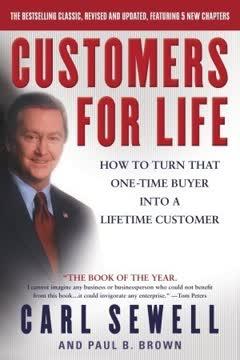
by Carl Sewell
Premium summary · Opens in the app · 30 min read
Carl Sewell grew up around car dealerships. His father sold cars in Dallas, Texas, and when Carl took over the family business, he inherited a company doing about $10 million in annual sales. Over the next several decades, he grew that business to more than $250 million. He did not do it by being the cheapest. He did it by being the best.
**Author:** Carl Sewell **Estimated Reading Time:** 45 minutes
**What You'll Learn:**
- Why asking customers what they want is the foundation of lasting business success - How to build systems that deliver consistent quality, not just friendly smiles - The lifetime value of a customer and why it changes every decision you make - How to underpromise and overdeliver without cutting into your profits - Why borrowing ideas from other industries is a competitive advantage - How to hire, train, and treat employees as true partners in customer service - The small details that shape customer perception more than you realize
**Who This Book Is For:**
Business owners, managers, and frontline employees who want to build lasting customer relationships. Whether you run a car dealership, a software company, a restaurant, or a consulting practice, the principles in this book apply to anyone who depends on repeat business and referrals. If you are tired of competing on price alone and want to build a business that customers genuinely love, this book is for you.
Carl Sewell grew up around car dealerships. His father sold cars in Dallas, Texas, and when Carl took over the family business, he inherited a company doing about $10 million in annual sales. Over the next several decades, he grew that business to more than $250 million. He did not do it by being the cheapest. He did it by being the best. The car business has a terrible reputation. Customers expect to be pressured, misled, and overcharged. They expect to haggle, to feel suspicious, to walk away wondering if they got taken. Sewell looked at this reality and saw an opportunity. If everyone in the industry treated customers poorly, then treating them exceptionally well would be a radical competitive advantage. But Sewell quickly discovered something important. Being nice was not enough. Smiling at customers and calling them "sir" or "ma'am" did not solve the real problems. Customers did not just want friendly service. They wanted their car fixed right the first time. They wanted it ready when promised. They wanted to understand what was wrong and what it would cost. They wanted to be treated with respect, not as targets for upselling. This realization led Sewell to a fundamental insight that shaped his entire career. If you give customers a chance to talk, and if you are willing to listen, they will tell you exactly what is important to them. Most businesses never ask. They assume they know what customers want. They guess. They follow industry conventions. They copy competitors. And then they wonder why customers leave. Sewell took a different approach. He asked. He surveyed. He listened. He built his entire business around what customers…
Continue reading in the MinuteRead app
Get the complete 30-minute summary of Customers for Life
Get the complete summary in the appAsk customers what they want. Do not assume you know.
Build systems that deliver quality and consistency. Being nice is not enough.
Underpromise and overdeliver. Always build a cushion into your estimates.
Calculate the lifetime value of your customers. Use it to guide every decision.
Hire the best people and treat them like partners. You cannot win on price alone.
Measure everything that matters. If you are not getting better, you are getting worse.
"Customers for Life" is a strong fit if you want practical ideas around business, management, entrepreneurship, especially themes like ask customers what they want. do not assume you know; build systems that deliver quality and consistency. being nice is not enough. The MinuteRead summary distills these concepts into a focused read, whether you're deciding whether to buy the book or applying its lessons at work.
Carl Sewell is an American businessman and author known for his expertise in customer service and automotive retail. He founded and expanded a successful chain of car dealerships in Texas, growing the business from $10 million to $250 million. Sewell's approach to business emphasizes building long-term relationships with customers through exceptional service and quality. His experiences in the automotive industry form the basis for his book "Customers for Life," where he shares his strategies fo…
View all summaries by Carl SewellContinue Reading
Access the complete 30-minute summary and thousands more nonfiction books in the MinuteRead app.

Continue reading the complete summary in the MinuteRead app.






