MinuteRead
30 min
Book summary
by Michael Pace
Premium summary · Opens in the app · 30 min read
Human beings like to believe they are rational creatures. We tell ourselves that we make decisions based on logic, evidence, and careful consideration. We believe we can spot a liar, resist a manipulator, and maintain control over our own minds. This belief is comforting. It is also largely wrong.
**Author:** Michael Pace
**Estimated Reading Time:** 45 minutes
**What You'll Learn:**
* The hidden tactics manipulators use to control thoughts, emotions, and behavior * How covert emotional manipulation operates undetected in relationships and workplaces * The psychology behind deception, mind games, and brainwashing * How Dark Triad personalities exploit others for personal gain * Practical strategies to recognize and resist psychological manipulation
**Who This Book Is For:**
This book is for anyone who has ever wondered why they made a decision that wasn't in their best interest, why they stayed in a relationship that drained them, or why they bought something they didn't need. It is for people who want to understand the darker currents of human behavior, not to exploit them, but to recognize when they are being exploited. If you have ever felt confused by someone's influence over you, this book will help you see the mechanisms behind that confusion.
Human beings like to believe they are rational creatures. We tell ourselves that we make decisions based on logic, evidence, and careful consideration. We believe we can spot a liar, resist a manipulator, and maintain control over our own minds. This belief is comforting. It is also largely wrong. The uncomfortable truth is that human psychology contains predictable vulnerabilities. Our brains take shortcuts. Our emotions can be triggered. Our desire for approval, belonging, and certainty can be leveraged against us. These vulnerabilities are not flaws in a few unlucky individuals. They are features of the human mind, present in everyone, and they can be exploited by anyone who understands how they work. Psychology underpins everything from advertising to finance, crime to religion, and love to hate. The same principles that help a therapist treat depression can help a con artist empty a bank account. The same understanding of human motivation that builds a successful team can build a cult. Knowledge of how the mind works is power, and like all power, it can be used for good or for harm. This book explores the darker applications of psychological knowledge. It examines the tactics used by manipulators, deceivers, and controllers to influence others without their awareness or consent. These tactics have names: covert emotional manipulation, dark persuasion, undetected mind control, brainwashing. They operate in boardrooms and bedrooms, in political campaigns and religious movements, in casual friendships and intimate partnerships. The purpose of this exploration is not to teach you how to manipulate others. It is to teach you how manipulation works so that you can recognize it when it happens to you. The best defense against dark psychology is knowledge. When you understand the mechanics of manipulation, you can spot the manipulator's moves as they happen. You can see…
Continue reading in the MinuteRead app
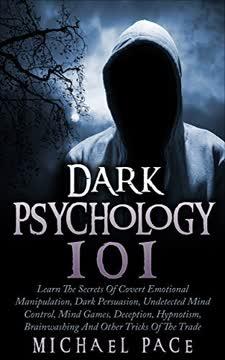
Get the complete 30-minute summary of Dark Psychology 101
Get the complete summary in the appManipulation works by exploiting the normal functioning of the human mind, not by using supernatural powers.
Covert emotional manipulation operates below the target's awareness, using techniques like love bombing, intermittent re
Dark persuasion makes people act against their own self-interest by hiding intentions and using psychological pressure.
Undetected mind control plants suggestions in the subconscious through subliminal messages, environmental cues, and ling
Mind games create confusion and dependency through ultimatums, threats, and unpredictable behavior.
Deception is the foundation of all dark psychological tactics, and skilled deceivers are often calm, confident, and cons
"Dark Psychology 101" is a strong fit if you want practical ideas around inspiration, psychology, dark, especially themes like manipulation works by exploiting the normal functioning of the human mind, not by using supernatural powers; covert emotional manipulation operates below the target's awareness, using techniques like love bombing, intermittent re. The MinuteRead summary distills these concepts into a focused read, whether you're deciding whether to buy the book or applying its lessons at work.
Michael Pace is the author of "Dark Psychology 101." He appears to be a self-published writer without formal credentials in psychology. Pace's background is in martial arts instruction rather than academic psychology. This lack of formal education in the field is a point of criticism for some readers. Despite his non-traditional background, Pace has authored multiple books on psychological topics, particularly focusing on the darker aspects of human behavior and manipulation. His writing style i…
View all summaries by Michael PaceContinue Reading
Access the complete 30-minute summary and thousands more nonfiction books in the MinuteRead app.

Continue reading the complete summary in the MinuteRead app.