 MinuteRead
30 min
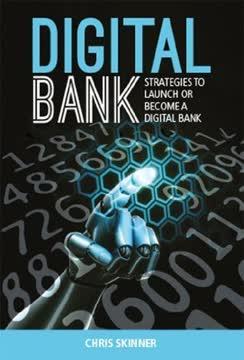
Walk into almost any bank branch today and you will notice something strange. The marble floors still gleam. The counters still stand in neat rows. The brochures still promise competitive mortgage rates and retirement solutions. But the customers are missing.
**Author:** Chris Skinner **Estimated Reading Time:** 42 minutes
**What You'll Learn:** - Why the traditional branch-based banking model is dying - How mobile technology has fundamentally changed customer expectations - What separates digital-first banks from banks that merely offer digital channels - How data, cloud computing, and APIs are reshaping financial infrastructure - What banks must do to survive the next decade of disruption
**Who This Book Is For:** Banking professionals who sense the ground shifting beneath them. Fintech entrepreneurs building the next generation of financial services. Investors trying to understand where value will be created and destroyed. And anyone curious about why their banking experience feels so different today than it did ten years ago.
Walk into almost any bank branch today and you will notice something strange. The marble floors still gleam. The counters still stand in neat rows. The brochures still promise competitive mortgage rates and retirement solutions. But the customers are missing. In the United Kingdom, branch visits fell by nearly a third between 2012 and 2017. In the United States, thousands of branches have closed their doors. In Scandinavia, some banks now operate with almost no physical presence at all. The building that once symbolized financial security has become, for many customers, an inconvenience they actively avoid. Yet banking itself has never been more present in people's lives. We check balances while waiting for coffee. We transfer money from the back of taxis. We apply for loans from our couches at midnight. We pay for groceries by tapping our phones against a terminal. Banking has escaped the branch and colonized every moment of our day. This is the paradox Chris Skinner confronts in *Digital Bank*. The industry is not shrinking. It is exploding. But the value is migrating away from institutions that cannot keep pace with the technological and cultural changes reshaping how people think about money. Skinner has spent decades watching this transformation unfold. He has advised banks on every continent. He has documented the rise of mobile payments in Kenya, the emergence of social banking in India, and the digital reinvention of institutions in Europe and Asia. What he has seen convinces him that most banks are responding to the digital revolution in exactly the wrong way. The typical response goes something like this. A bank recognizes that customers want to bank online. So it builds a website. Then customers want to bank on their phones. So it builds an app. Then customers want to message the bank. So it opens social media accounts. Each new channel gets bolted onto the existing organization like a new room added to an old house. The foundation stays the same. The plumbing stays the same. The…
Continue reading in the MinuteRead app
Get the complete 30-minute summary of Digital Bank
Get the complete summary in the appDigital is not a channel. It is the new operating environment for banking.
Customers compare their bank to Amazon, Netflix, and Uber, not to other banks.
Mobile technology has shifted power from banks to customers.
Data is the new currency of banking. Banks that use it effectively will win.
Cloud computing and APIs enable Banking-as-a-Service, where bank functions become building blocks for other companies' p
Security should be a competitive advantage, not just a compliance requirement.
"Digital Bank" is a strong fit if you want practical ideas around business, banking, finance, especially themes like digital is not a channel. it is the new operating environment for banking; customers compare their bank to amazon, netflix, and uber, not to other banks. The MinuteRead summary distills these concepts into a focused read, whether you're deciding whether to buy the book or applying its lessons at work.
Chris Skinner is a prominent figure in the field of digital banking and financial technology. He is known for his expertise in predicting future trends in the banking industry and his efforts to popularize digital banking concepts. Skinner has written multiple books on the subject and is recognized as a thought leader in the space. His work often involves analyzing global banking practices and advocating for digital transformation in financial services. Skinner is noted for his charismatic perso…
View all summaries by Chris SkinnerContinue Reading
Access the complete 30-minute summary and thousands more nonfiction books in the MinuteRead app.

Continue reading the complete summary in the MinuteRead app.






