MinuteRead
30 min
Book summary
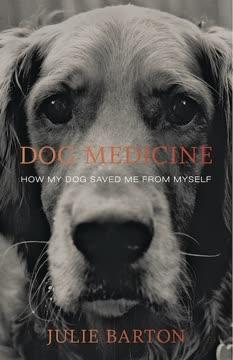
by Julie Barton
Premium summary · Opens in the app · 30 min read
There is a particular kind of darkness that settles in slowly, then all at once. Julie Barton was twenty-two years old when it found her. She had just moved to New York City, armed with a college degree and the kind of hopeful ambition that young people are supposed to have. She had a boyfriend named Will, a basement apartment in Brooklyn, and a plan to build a life.
**Author:** Julie Barton **Estimated Reading Time:** 45 minutes
**What You'll Learn:** - How unresolved childhood pain can surface as depression in adulthood - Why the bond between humans and animals can be profoundly healing - What it actually takes to rebuild a life after hitting rock bottom - How forgiveness, self-compassion, and small daily actions create recovery - Why asking for help is not weakness but the first act of courage
**Who This Book Is For:** This book is for anyone who has ever felt broken beyond repair. For those who have struggled with depression or watched someone they love struggle. For dog lovers who understand that sometimes the right animal arrives at exactly the right moment. And for anyone who needs to believe that healing is possible, even when it feels impossibly far away.
There is a particular kind of darkness that settles in slowly, then all at once. Julie Barton was twenty-two years old when it found her. She had just moved to New York City, armed with a college degree and the kind of hopeful ambition that young people are supposed to have. She had a boyfriend named Will, a basement apartment in Brooklyn, and a plan to build a life. Then everything unraveled. The breakup with Will was the trigger, but it was not the cause. That distinction matters. When Julie found herself unable to get out of bed, unable to eat, unable to imagine a future worth living, she was not simply heartbroken. She was collapsing under the weight of something much older and much heavier than a failed relationship. She was finally feeling the full force of pain she had spent her entire childhood trying to suppress. What makes Julie's story remarkable is not that she experienced severe depression. Millions of people do. What makes it remarkable is how she found her way back. The path did not begin with a breakthrough therapy session or the perfect medication. It began with a phone call to her mother, a desperate plea for help, and a decision that seemed small at the time but would change everything. She asked for a puppy. Bunker was a golden retriever with soft fur and deep, soulful eyes. He arrived in Julie's life when she was at her lowest point, and he became something she had never truly experienced before: a source of unconditional love. He did not judge her for her failures. He did not need her to be fixed. He simply needed her to show up, to feed him, to walk him, to sit with him. And in meeting his needs, she slowly began to meet her own. This book is not a simple story about how a…
Continue reading in the MinuteRead app
Get the complete 30-minute summary of Dog Medicine
Get the complete summary in the appDepression is an illness, not a weakness or personal failing.
Unresolved childhood pain can surface as depression in adulthood.
Unconditional love, including love from animals, can be profoundly healing.
Caring for another creature builds self-worth and purpose.
Automatic negative thoughts shape your experience and can be challenged.
Professional treatment, including therapy and medication, is essential for serious depression.
"Dog Medicine" is a strong fit if you want practical ideas around memoir, dogs, animals, especially themes like depression is an illness, not a weakness or personal failing; unresolved childhood pain can surface as depression in adulthood. The MinuteRead summary distills these concepts into a focused read, whether you're deciding whether to buy the book or applying its lessons at work.
Julie Barton is the author of Dog Medicine, a memoir about her experience with depression and the transformative impact of her golden retriever, Bunker. She holds an MFA in writing from Vermont College of Fine Arts and resides in the Bay Area with her family and pets. Barton's writing has been praised for its honesty, lyricism, and compelling nature by notable authors like Pam Houston and Steve Almond. Dog Medicine, published in 2016, has been described as both heartbreaking and heartwarming, of…
View all summaries by Julie BartonContinue Reading
Access the complete 30-minute summary and thousands more nonfiction books in the MinuteRead app.

Continue reading the complete summary in the MinuteRead app.