MinuteRead
30 min
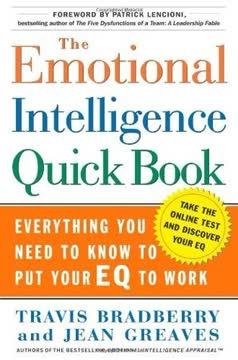
Book summary
Premium summary · Opens in the app · 30 min read
There is a quiet assumption embedded in modern life. We assume that the smartest person in the room is the most likely to succeed. We assume that high intelligence, measured by tests and degrees and credentials, is the surest path to achievement. We assume that if we just knew more, we would do better.
**Author:** Travis Bradberry
**Estimated Reading Time:** 45 minutes
**What You'll Learn**
You will discover why emotional intelligence matters more than raw intellect in nearly every area of life. You will learn the four core skills that make up emotional intelligence, how your brain can physically change to support better emotional habits, and why leaning into discomfort is the fastest path to growth. You will also see how these ideas apply to your career, your relationships, your parenting, and the teams you work with.
**Who This Book Is For**
This book is for anyone who has ever felt hijacked by their own emotions, struggled to understand why certain people seem to navigate life with ease, or wondered why being smart is not always enough. It is for professionals who want to lead more effectively, parents who want to raise resilient children, and partners who want to build stronger relationships. If you have ever wished you could respond rather than react, this book will show you how.
There is a quiet assumption embedded in modern life. We assume that the smartest person in the room is the most likely to succeed. We assume that high intelligence, measured by tests and degrees and credentials, is the surest path to achievement. We assume that if we just knew more, we would do better. The evidence says otherwise. For decades, researchers have studied what separates exceptional performers from average ones. They have examined leaders, salespeople, doctors, teachers, and parents. They have measured IQ, education, experience, and technical skill. And they have found something surprising. The single biggest predictor of success is not how smart you are. It is how well you understand and manage emotions. This is the territory of emotional intelligence. The term itself has been around since the early 1990s, but its implications are still unfolding. Emotional intelligence, often abbreviated as EQ, is the ability to recognize and understand emotions in yourself and others, and to use that awareness to manage your behavior and relationships. It is not about being nice. It is not about suppressing feelings. It is not about being soft. It is about being effective. Consider two managers. The first has an MBA from a prestigious university, twenty years of experience, and a reputation for being brilliant. But when a project goes wrong, he lashes out. When a team member struggles, he dismisses the concern. When pressure mounts, he becomes unpredictable. His team performs adequately, but turnover is high and morale is low. The second manager is competent but not exceptional on paper. She did not attend a top school. She does not have the same depth of technical knowledge. But she notices when a team member seems overwhelmed. She…
Continue reading in the MinuteRead app
Get the complete 30-minute summary of Emotional Intelligence Quickbook
Get the complete summary in the appEmotional intelligence matters more than IQ for success in almost every area of life.
The four pillars of EQ are self-awareness, self-management, social awareness, and relationship management.
Self-awareness is the foundation. You cannot manage what you do not notice.
The pause is your most powerful tool. When you feel a strong emotion, take a breath before acting.
Real listening means setting aside your own agenda and focusing entirely on the other person.
Your brain is plastic. You can change your emotional patterns through practice and repetition.
"Emotional Intelligence Quickbook" is a strong fit if you want practical ideas around self help, psychology, leadership, especially themes like emotional intelligence matters more than iq for success in almost every area of life; the four pillars of eq are self-awareness, self-management, social awareness, and relationship management. The MinuteRead summary distills these concepts into a focused read, whether you're deciding whether to buy the book or applying its lessons at work.
Dr. Travis Bradberry is a renowned expert in emotional intelligence and the bestselling author of Emotional Intelligence Habits. His books have sold over 3 million copies worldwide. As a LinkedIn Top Voice with 2.5 million followers, Dr. Bradberry's influence extends across various platforms. His work has been featured in prominent publications such as Newsweek, Fortune, Forbes, and The Wall Street Journal. Dr. Bradberry's expertise in emotional intelligence has made him a sought-after voice in …
View all summaries by Travis BradberryContinue Reading
Access the complete 30-minute summary and thousands more nonfiction books in the MinuteRead app.

Continue reading the complete summary in the MinuteRead app.