MinuteRead
30 min
Book summary
Premium summary · Opens in the app · 30 min read
Most churches have a leadership problem. Not a shortage of willing people. Not a lack of programs or training materials. The problem runs deeper. It sits in the assumptions we carry about what leadership is, who gets to lead, and how leaders are made.
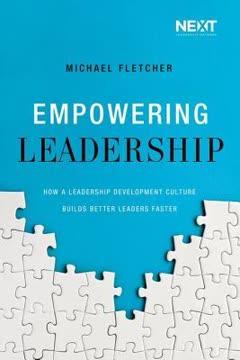
**Author:** Michael Fletcher
**Estimated Reading Time:** 42 minutes
**What You'll Learn:**
Why the church's real job is building people, not buildings. How culture shapes leadership more than any strategy or program. A practical framework for identifying, developing, and releasing leaders at every level. The power of personal invitation in creating a leadership pipeline. And how to build a church where everyone sees themselves as a potential leader with a vital role to play.
**Who This Book Is For:**
Pastors, ministry leaders, church planters, and anyone responsible for developing volunteers and staff in a church setting. Also valuable for business leaders who want to understand how a servant-leadership culture transforms organizations from the inside out.
Most churches have a leadership problem. Not a shortage of willing people. Not a lack of programs or training materials. The problem runs deeper. It sits in the assumptions we carry about what leadership is, who gets to lead, and how leaders are made. Walk into a typical church and ask how they find leaders. You will hear about sign-up sheets in the lobby. Announcements from the stage. Desperate pleas for volunteers to fill empty slots in the nursery or the parking team. The underlying message is clear: we have jobs to fill, and we need warm bodies to fill them. This approach treats people as resources to be used rather than potential to be developed. It sees leadership as a functional necessity rather than a sacred calling. And it produces exactly what you would expect: burned-out volunteers, high turnover, and a leadership bench that never seems to get deeper. Michael Fletcher saw this pattern early in his ministry and knew something had to change. As a pastor at Manna Church, he began asking different questions. What if the church's primary mission was not to gather crowds or build programs but to develop people? What if every person walking through the doors was seen as a potential leader? What if the entire culture of the church was designed to identify, nurture, and release leaders at every level? These questions led to a fundamental reimagining of how church leadership works. Fletcher and his team stopped recruiting volunteers and started developing leaders. They stopped filling slots and started building people. The results transformed not only their church but thousands of other churches that have adopted the same approach. The problem this book addresses is universal. Every church, every nonprofit, every organization that relies on people to accomplish its mission eventually hits the same wall. You can only grow as fast as you can develop leaders. Programs can be copied. Buildings can be built. But without a steady stream of capable, committed leaders who carry the DNA of the…
Continue reading in the MinuteRead app
Get the complete 30-minute summary of Empowering Leadership
Get the complete summary in the appThe church's real job is building people, not buildings or programs. Everything flows from this conviction.
Culture trumps everything. Change the culture, and you change what is possible.
The SERVE model defines effective leadership: See the future, Engage and develop others, Reinvent continually, Value rel
Shoulder tapping, the practice of personally inviting specific people into leadership, is far more powerful than mass ap
Build a clear leadership pipeline with multiple stages so everyone knows their next step for growth.
Keep the mission simple. Love God, Love Each Other, Love the World is enough to guide every decision.
"Empowering Leadership" is a strong fit if you want practical ideas around leadership, christian, discipleship, especially themes like the church's real job is building people, not buildings or programs. everything flows from this conviction; culture trumps everything. change the culture, and you change what is possible. The MinuteRead summary distills these concepts into a focused read, whether you're deciding whether to buy the book or applying its lessons at work.
Michael Fletcher is the author of Empowering Leadership: How a Leadership Development Culture Builds Better Leaders Faster . He is a pastor and leadership expert who draws from his experience at Manna Church to provide insights on developing church leaders. Fletcher emphasizes the importance of creating a leadership development culture within churches, moving away from traditional volunteer recruitment methods. His approach focuses on identifying and nurturing potential leaders through personal …
View all summaries by Michael FletcherContinue Reading
Access the complete 30-minute summary and thousands more nonfiction books in the MinuteRead app.

Continue reading the complete summary in the MinuteRead app.