MinuteRead
30 min
Book summary
by M. Tamra Chandler
Premium summary · Opens in the app · 30 min read
Feedback should be one of the most valuable gifts we give and receive. It holds the power to unlock potential, accelerate learning, strengthen relationships, and drive meaningful improvement. Yet for most people, the word itself produces a visceral reaction. Hearts race. Defenses rise. Minds close. We brace for criticism, rehearse justifications, or smile politely while internally dismissing everything being said.
**Why We Fear It, How to Fix It**
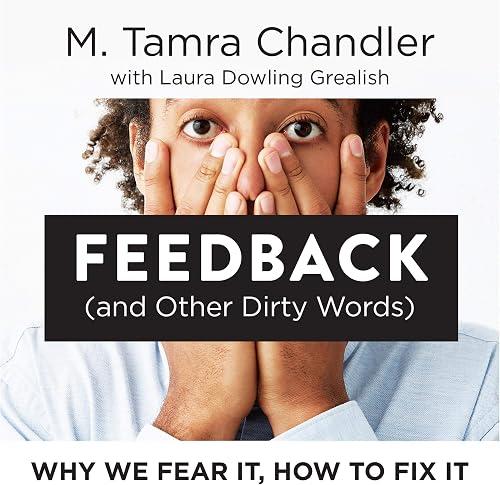
By M. Tamra Chandler with Laura Grealish
**Estimated Reading Time:** 45 minutes
**What You'll Learn**
- Why feedback triggers a threat response in your brain and how to override it - The three conditions that make feedback feel safe and worth hearing - How to ask for feedback in ways that give you control and accelerate your growth - How to deliver feedback without triggering defensiveness or damaging trust - Why the feedback sandwich fails and what to do instead - How leaders can transform team culture by changing their own feedback habits
**Who This Book Is For**
This book is for anyone who has ever dreaded a performance review, hesitated before giving constructive criticism, or felt their stomach tighten when a colleague said, "Can I give you some feedback?" It is for managers who want their teams to grow without creating resentment. It is for employees who want to advance but feel stuck without clear guidance. It is for leaders who suspect their organization's feedback culture is broken but do not know where to start. If you have ever wished feedback could feel less like a weapon and more like a tool, this book is for you.
Feedback should be one of the most valuable gifts we give and receive. It holds the power to unlock potential, accelerate learning, strengthen relationships, and drive meaningful improvement. Yet for most people, the word itself produces a visceral reaction. Hearts race. Defenses rise. Minds close. We brace for criticism, rehearse justifications, or smile politely while internally dismissing everything being said. How did something so essential become so dreaded? The answer lies in how feedback has been practiced for generations. In most organizations, feedback is something that happens to you. It arrives once a year in a formal review, delivered by a manager who has been trained to document shortcomings and justify ratings. It is often vague, focused on personality rather than behavior, and tied to compensation decisions that carry real consequences. In this context, feedback feels less like support and more like judgment. Less like development and more like punishment. The result is a widespread feedback paradox. People desperately want to know how they are doing. They want to understand what is working, what is not, and how they can improve. Surveys consistently show that employees crave more feedback, not less. Yet those same employees avoid asking for feedback, dread receiving it, and feel anxious about giving it. We want the benefit without the discomfort. We want the growth without the vulnerability. M. Tamra Chandler and Laura Grealish wrote this book to address that paradox directly. Their central argument is simple but profound: feedback…
Continue reading in the MinuteRead app
Get the complete 30-minute summary of Feedback (and Other Dirty Words)
Get the complete summary in the appFeedback is clear and specific information sought or extended with the sole intention of helping someone improve, grow,
Your brain treats feedback as a threat. Understanding this biology helps you manage your reactions.
Fairness, focus, and frequency are the three conditions that make feedback work.
Notice without judging. Describe specific behaviors and their impacts rather than delivering evaluations.
Become a Seeker. Ask for feedback regularly, specifically, and from diverse sources.
Receive feedback with the principle of feedback short, reflection long. Listen first. Reflect later.
"Feedback (and Other Dirty Words)" is a strong fit if you want practical ideas around leadership, business, management, especially themes like feedback is clear and specific information sought or extended with the sole intention of helping someone improve, grow,; your brain treats feedback as a threat. understanding this biology helps you manage your reactions. The MinuteRead summary distills these concepts into a focused read, whether you're deciding whether to buy the book or applying its lessons at work.
Motivated to help readers with clear and specific information that's sought or extended with the sole intention of helping individuals or, M. Tamra Chandler wrote “Feedback (and Other Dirty Words)” to package those ideas for a fast, focused read. In “Feedback (and Other Dirty Words)”, M. Tamra Chandler focuses on clear and specific information that's sought or extended with the sole intention of helping individuals or. Through “Feedback (and Other Dirty Words)”, M. Tamra Chandler distills the co…
Continue Reading
Access the complete 30-minute summary and thousands more nonfiction books in the MinuteRead app.

Continue reading the complete summary in the MinuteRead app.